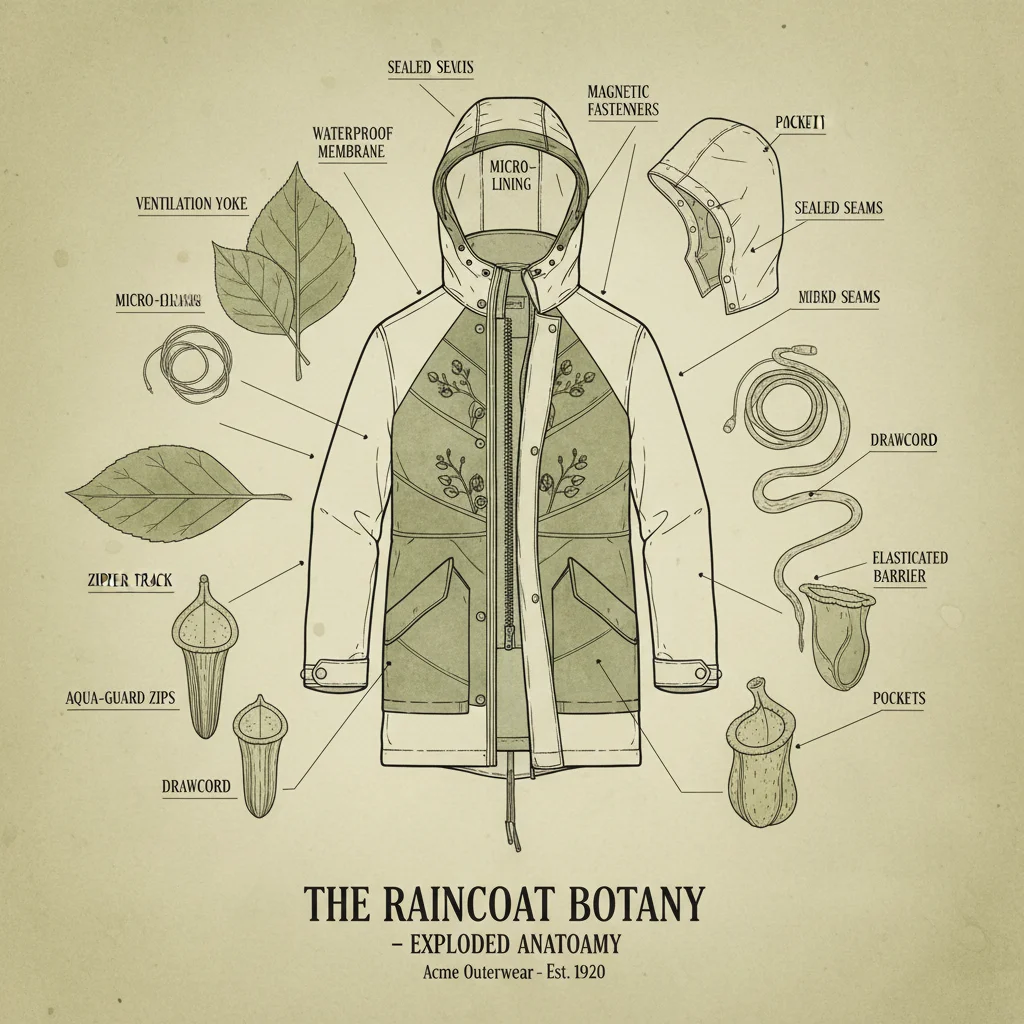
The pu raincoat stands as a crucial element in protecting individuals from inclement weather, extending beyond simple comfort to encompass safety and functionality. Globally, the demand for effective rain protection is consistently high, driven by diverse climates and increasing outdoor activities. Understanding the nuances of pu raincoat design, materials, and applications is essential for manufacturers, retailers, and consumers alike, influencing everything from fashion trends to emergency preparedness strategies.
The pu raincoat market is substantial and growing, with a projected value of billions of dollars annually. Factors contributing to this growth include increased awareness of the importance of weather protection, advancements in materials technology offering improved durability and breathability, and the rising popularity of outdoor recreation. From everyday commutes to extreme weather events, the reliable performance of a pu raincoat is increasingly valued.
This understanding of pu raincoats transcends mere product knowledge; it's about providing a fundamental layer of protection against the elements, enabling people to continue their daily lives regardless of weather conditions. The pu raincoat is, in its simplest form, a testament to human ingenuity in adapting to our environment.
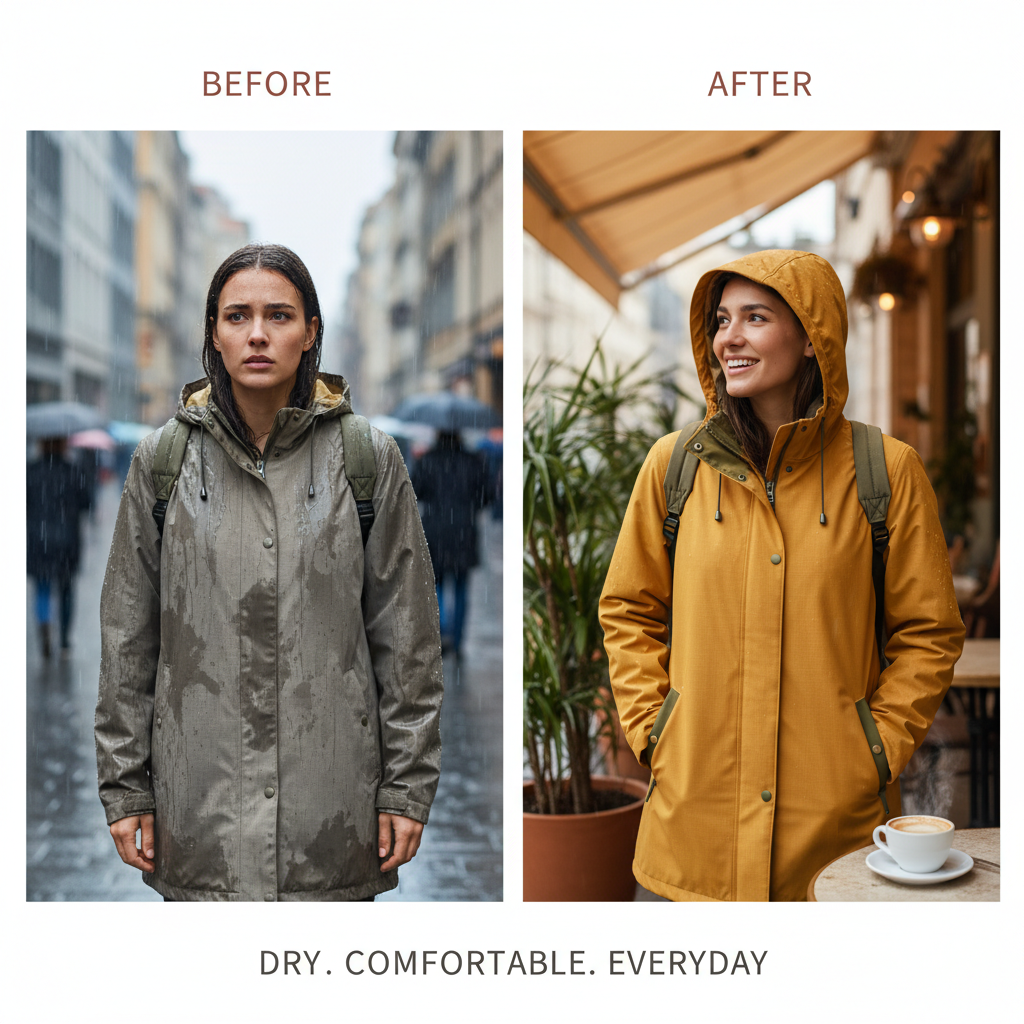
The Core Characteristics of pu raincoat
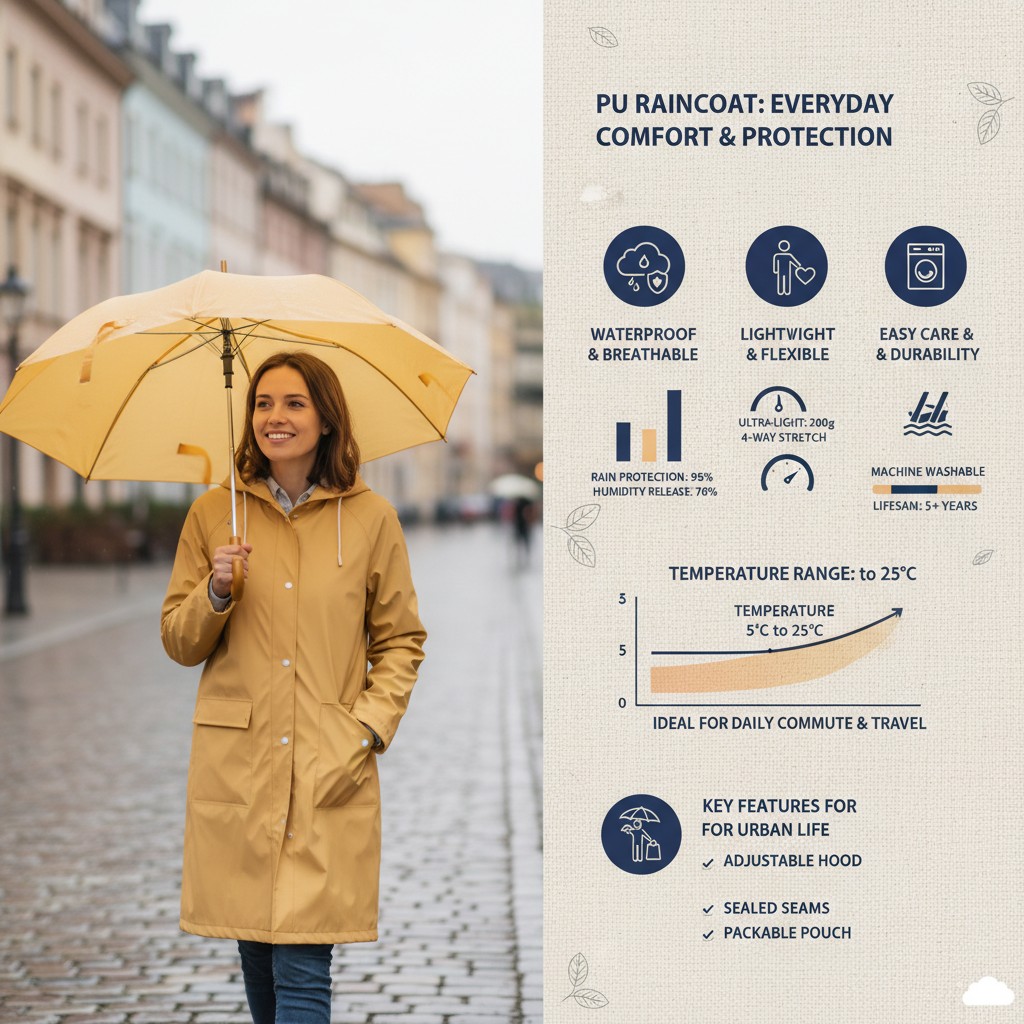
A core characteristic of any pu raincoat is its waterproof nature, achieved through the use of polyurethane (PU) coatings. These coatings create a barrier against water penetration, keeping the wearer dry even in heavy rainfall. However, simply being waterproof isn’t enough; the best pu raincoats also prioritize breathability to prevent moisture buildup from sweat, enhancing comfort during activity.
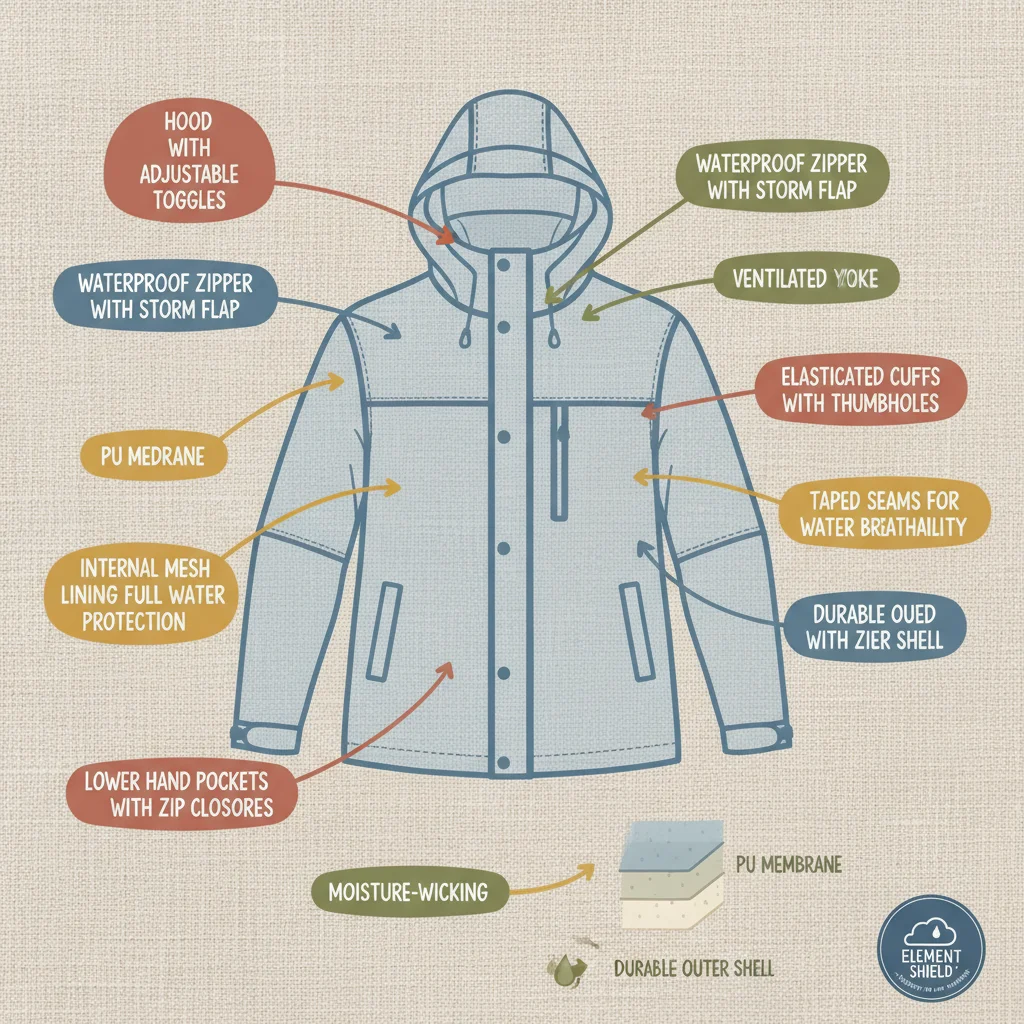
Beyond waterproofing and breathability, durability is key. High-quality pu raincoats are built to withstand repeated use and exposure to the elements. This often involves reinforced seams, robust zippers, and tear-resistant fabrics. The overall construction and quality of materials directly influence the lifespan and reliability of the pu raincoat.
Historical Evolution of pu raincoat
The evolution of the pu raincoat is interwoven with the development of waterproof materials. Early raincoats relied on waxed fabrics, offering limited protection and often being heavy and uncomfortable. The introduction of rubberized fabrics in the 19th century marked a significant step forward, but these materials were often brittle and prone to cracking.
The 20th century saw the rise of synthetic materials, including polyurethane, which offered a superior combination of waterproofness, flexibility, and durability. PU coatings quickly became a standard in raincoat manufacturing, leading to lighter, more comfortable, and more effective rain protection. Improvements in PU technology continue today, with a focus on increased breathability and sustainability.
From bulky, oilskin coats to the lightweight, high-performance pu raincoats of today, the journey reflects a continuous pursuit of better materials and designs, driven by the fundamental need to stay dry and comfortable in challenging weather conditions.
The Composition of pu raincoat Materials
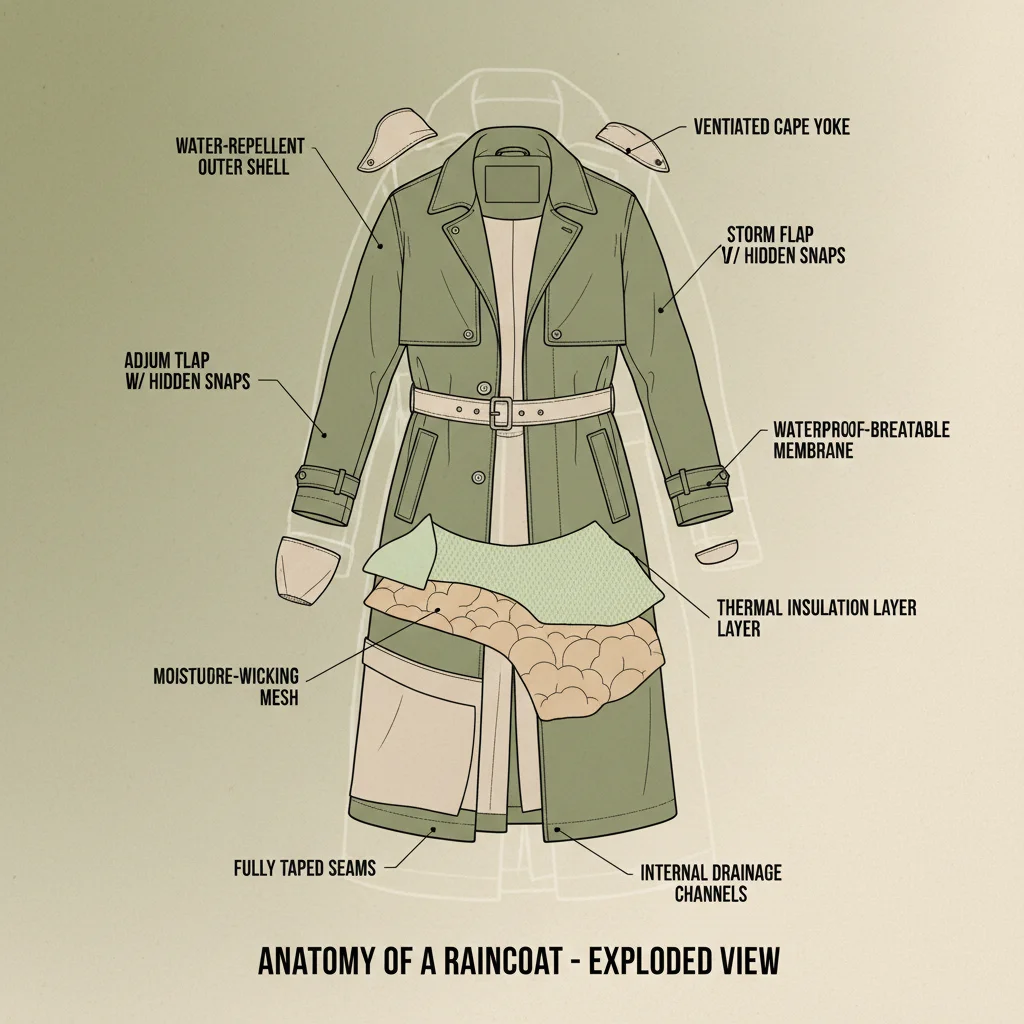
The composition of a pu raincoat is multi-faceted, going beyond simply the PU coating. The base fabric is often nylon or polyester, chosen for their strength, abrasion resistance, and relatively low cost. The quality of this base fabric significantly impacts the overall durability of the raincoat. Higher denier fabrics generally offer greater resilience.
The PU coating itself varies in thickness and formulation. Thicker coatings generally provide greater waterproofness but can reduce breathability. Modern PU coatings often incorporate hydrophilic technologies to improve moisture vapor transmission, allowing sweat to escape while preventing water from entering. Durable Water Repellent (DWR) finishes are also commonly applied to the outer fabric to encourage water to bead up and roll off.
Additional components, such as zippers, seams, and drawcords, also contribute to the overall performance and longevity of the pu raincoat. Seams are often taped or sealed to prevent water leakage, and high-quality zippers are crucial for secure closure and durability. The interplay of these materials determines the overall effectiveness of the pu raincoat.
Performance Metrics of pu raincoat
Evaluating the performance of a pu raincoat requires considering several key metrics. Waterproofness is typically measured in millimeters (mm) of water column resistance, indicating the amount of water pressure the fabric can withstand before leaking. A rating of 10,000mm or higher is generally considered highly waterproof.
Breathability is often measured in grams per square meter per 24 hours (g/m²/24h), indicating how much moisture vapor can pass through the fabric. Higher numbers indicate greater breathability. Durability is assessed through abrasion resistance tests, measured in cycles before wear, and tear resistance tests.
pu raincoat Performance Ratings
Global Applications of pu raincoat
The applications of pu raincoats are incredibly diverse, spanning numerous industries and regions. In outdoor recreation – hiking, camping, fishing – pu raincoats are essential for staying dry and comfortable. The agricultural sector relies on them to protect workers from inclement weather during field operations.
Emergency services, including search and rescue teams, frequently utilize high-performance pu raincoats to maintain operational effectiveness in challenging conditions. In regions with heavy rainfall, such as Southeast Asia and the Pacific Northwest, pu raincoats are a staple in everyday wardrobes. From commuters navigating city streets to construction workers on job sites, their utility is undeniable.
The Advantages of Utilizing pu raincoat
The advantages of choosing a pu raincoat are numerous. The primary benefit, of course, is reliable waterproof protection, shielding the wearer from rain, snow, and wind. Beyond this, modern pu raincoats offer excellent breathability, preventing overheating and discomfort. They're generally lightweight and packable, making them convenient for travel and everyday carry.
Compared to older raincoat materials, PU offers superior durability and resistance to tearing and abrasion. The relatively low cost of PU also makes these raincoats accessible to a wide range of consumers. The versatility of PU allows for a variety of designs and features, catering to diverse needs and preferences.
Ultimately, a well-chosen pu raincoat provides peace of mind, allowing individuals to confidently navigate any weather condition without compromising comfort or safety. This reliability translates to increased productivity, enhanced enjoyment of outdoor activities, and a greater sense of preparedness.
Future Trends in pu raincoat Technology
The future of pu raincoat technology is focused on sustainability, enhanced performance, and integration with smart technologies. Research is ongoing to develop bio-based PU alternatives, reducing reliance on fossil fuels and minimizing environmental impact. Innovations in membrane technologies promise even greater breathability without sacrificing waterproofness.
We can expect to see more integration of smart features, such as embedded sensors to monitor body temperature and adjust ventilation, or reflective materials for enhanced visibility in low-light conditions. Advanced DWR finishes that are more durable and environmentally friendly are also on the horizon.
Digital printing and customization options will likely become more prevalent, allowing consumers to personalize their pu raincoats with unique designs and features. The overall trend is toward creating more versatile, sustainable, and technologically advanced rain protection solutions.
Summary of Key Factors Influencing pu raincoat Performance
| Material Composition |
Waterproof Rating (mm) |
Breathability Rating (g/m²/24h) |
Durability (Abrasion Resistance) |
| Nylon/PU Composite |
10,000-20,000 |
5,000-15,000 |
800-1200 cycles |
| Polyester/PU Composite |
5,000-15,000 |
3,000-10,000 |
600-1000 cycles |
| Recycled Polyester/PU |
8,000-18,000 |
4,000-12,000 |
500-900 cycles |
| PU Coated Ripstop Nylon |
12,000-25,000 |
6,000-18,000 |
900-1500 cycles |
| Bio-Based PU Coating |
7,000-16,000 |
4,000-14,000 |
400-700 cycles |
| PU Laminated Fabric |
15,000-30,000 |
8,000-20,000 |
1000-1800 cycles |
FAQS
A pu raincoat achieves waterproofness through the application of a polyurethane (PU) coating to the fabric. This coating creates a barrier that prevents water molecules from penetrating the material. The effectiveness of the waterproofing is measured in millimeters (mm) of water column resistance, with higher numbers indicating greater waterproofness. Seam sealing is also crucial, as water can often leak through stitches.
To prolong the life of your pu raincoat, avoid harsh detergents and fabric softeners when washing. Machine wash on a gentle cycle with cold water, and tumble dry on low heat or hang to dry. Regularly re-applying a DWR (Durable Water Repellent) treatment can help maintain the water-repellent properties of the outer fabric. Store the raincoat in a cool, dry place when not in use.
DWR stands for Durable Water Repellent. It's a coating applied to the outside of a pu raincoat fabric that causes water to bead up and roll off, rather than soaking into the material. While the PU coating provides the waterproof barrier, DWR helps prevent the outer fabric from becoming saturated, which can reduce breathability and make the raincoat heavier. DWR treatments wear off over time and need to be reapplied.
Not all pu raincoats are equally breathable. While PU coatings themselves aren’t naturally breathable, many modern raincoats incorporate features to enhance breathability. These include microporous PU membranes that allow moisture vapor to escape, or ventilation features like pit zips. Breathability is measured in grams per square meter per 24 hours (g/m²/24h), with higher numbers indicating greater breathability.
When choosing a pu raincoat for hiking, prioritize lightweight and packability. Look for a raincoat with a high waterproof rating (10,000mm or higher) and good breathability to prevent overheating. Features like a hood, adjustable cuffs, and a comfortable fit are also important. Consider a raincoat with reinforced areas in high-wear zones and durable zippers.
Traditional PU production relies on fossil fuels. However, there's a growing trend towards bio-based PU alternatives made from renewable resources. Look for raincoats made with recycled materials or bio-based PU coatings to minimize environmental impact. Proper care and maintenance, such as repairing minor damage instead of replacing the raincoat, can also extend its lifespan and reduce waste.
Conclusion
In conclusion, the pu raincoat represents a significant advancement in weather protection technology. From its historical roots in waxed fabrics to the sophisticated materials and designs of today, it has consistently evolved to meet the changing needs of consumers. The benefits are clear: reliable waterproofness, enhanced breathability, durability, and accessibility. Understanding the core characteristics and performance metrics of pu raincoats empowers informed purchasing decisions and ensures optimal protection against the elements.
Looking ahead, innovation in sustainable materials and smart technologies promises to further elevate the performance and environmental responsibility of pu raincoats. By embracing these advancements, we can continue to rely on these essential garments for years to come, enhancing our ability to navigate the world regardless of the weather. For more information and to browse our selection, visit our website: pu raincoat.