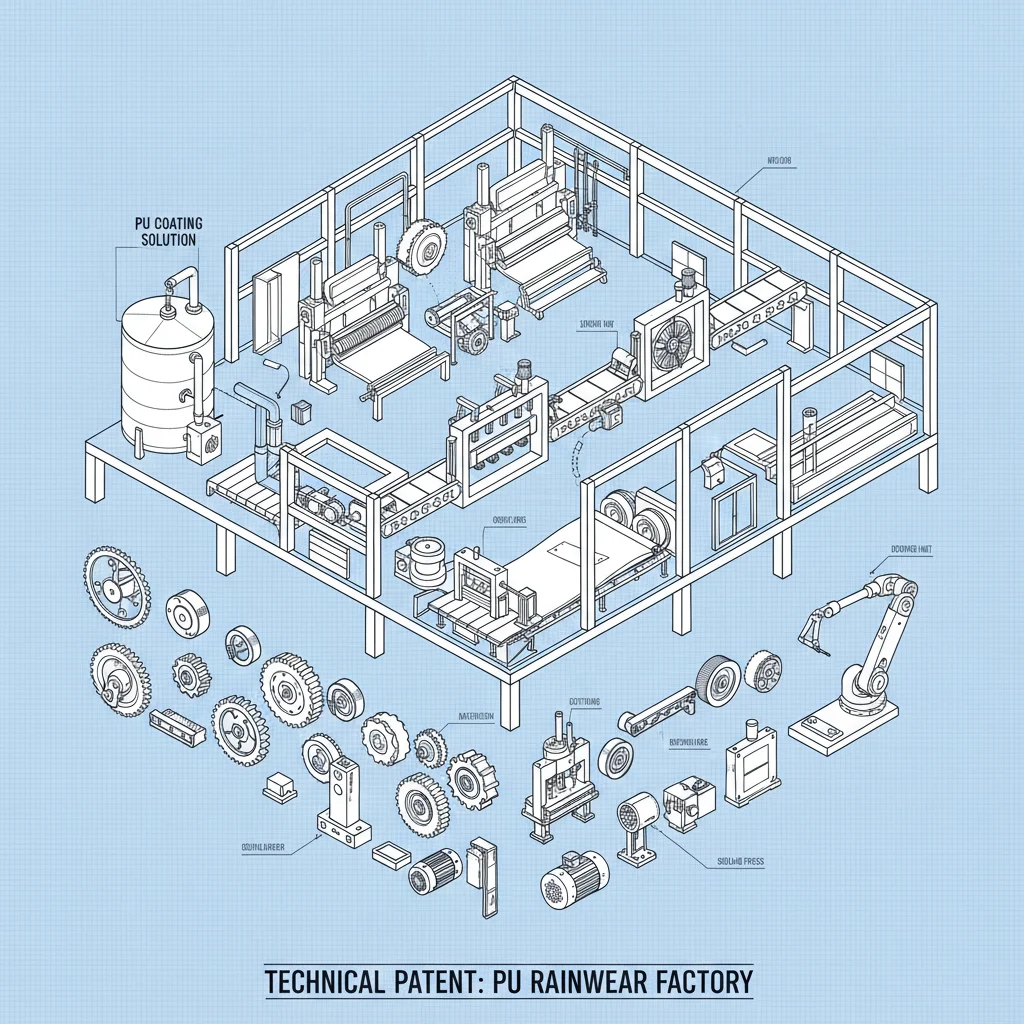
Pu rainwear, encompassing everything from lightweight ponchos to durable, waterproof jackets and trousers, has become an indispensable part of modern life. Its evolution reflects advancements in polymer technology and a growing global awareness of the need for protection against the elements. The widespread accessibility and affordability of pu rainwear make it a crucial element in preparedness for both everyday commutes and emergency situations, impacting industries and individuals across the globe.
The demand for pu rainwear is intrinsically linked to climate patterns, increased outdoor activities, and growing populations in regions prone to heavy rainfall. Global trends towards sustainability are also influencing the pu rainwear industry, driving innovation in eco-friendly materials and manufacturing processes. This need isn’t just about comfort; it's about safety, productivity, and the ability to function effectively in challenging weather conditions.
From agricultural workers needing protection in the fields to emergency responders facing severe storms, pu rainwear serves a vital function. Understanding its properties, applications, and emerging trends is critical for businesses, governments, and individuals seeking reliable and effective weather protection. The constant improvement in pu rainwear continues to improve the quality of life for countless people worldwide.
The Importance of Pu Rainwear
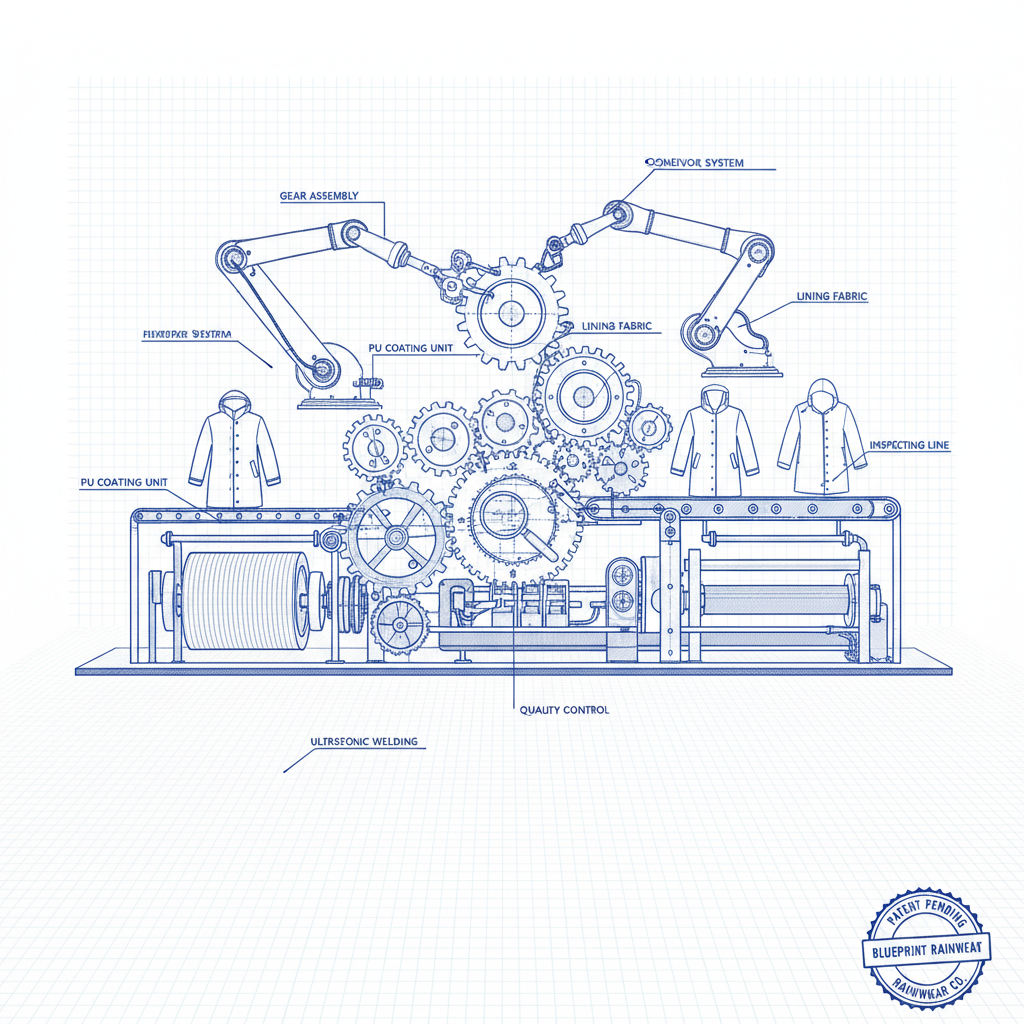
Pu rainwear isn’t simply about staying dry; it's about maintaining productivity and safety in challenging conditions. For outdoor workers in agriculture, construction, and transportation, reliable rain protection directly impacts their ability to perform their jobs efficiently and effectively. The economic implications of lost work hours due to inclement weather are significant, and pu rainwear provides a cost-effective solution.
Furthermore, pu rainwear plays a critical role in disaster preparedness and response. In regions prone to flooding, hurricanes, or monsoons, having access to waterproof clothing can be life-saving. Organizations involved in humanitarian aid often rely on pu rainwear to protect both themselves and the communities they serve.
Defining Pu Rainwear and Its Relevance
Pu rainwear refers to clothing constructed from polyurethane (PU) coated fabrics, designed to repel water and protect the wearer from rain. Unlike natural materials like cotton, PU is inherently waterproof and offers a durable, often lightweight, barrier against the elements. The PU coating can be applied to various base fabrics, such as polyester or nylon, to enhance strength and tear resistance.
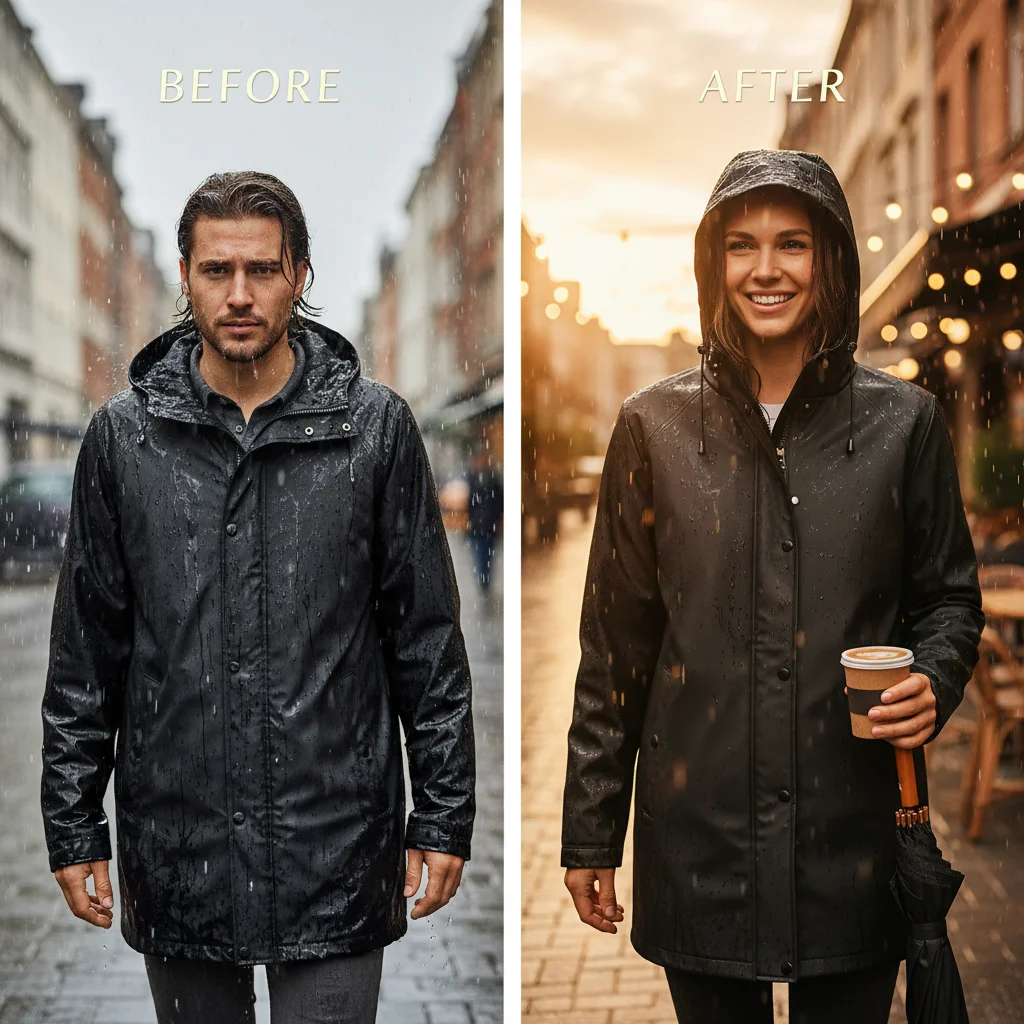
The relevance of pu rainwear extends far beyond individual comfort. In modern industry, it's a standard component of personal protective equipment (PPE) for workers exposed to wet conditions. In humanitarian contexts, it is vital for preserving dignity and health. It’s also increasingly important in leisure activities like hiking, camping, and outdoor sports where performance isn’t compromised by the weather.
The development of PU technology has allowed for increasingly sophisticated rainwear with enhanced breathability and flexibility, moving away from the stiff, uncomfortable garments of the past. This evolution is directly tied to addressing practical needs in a variety of sectors.
Core Components of Effective Pu Rainwear
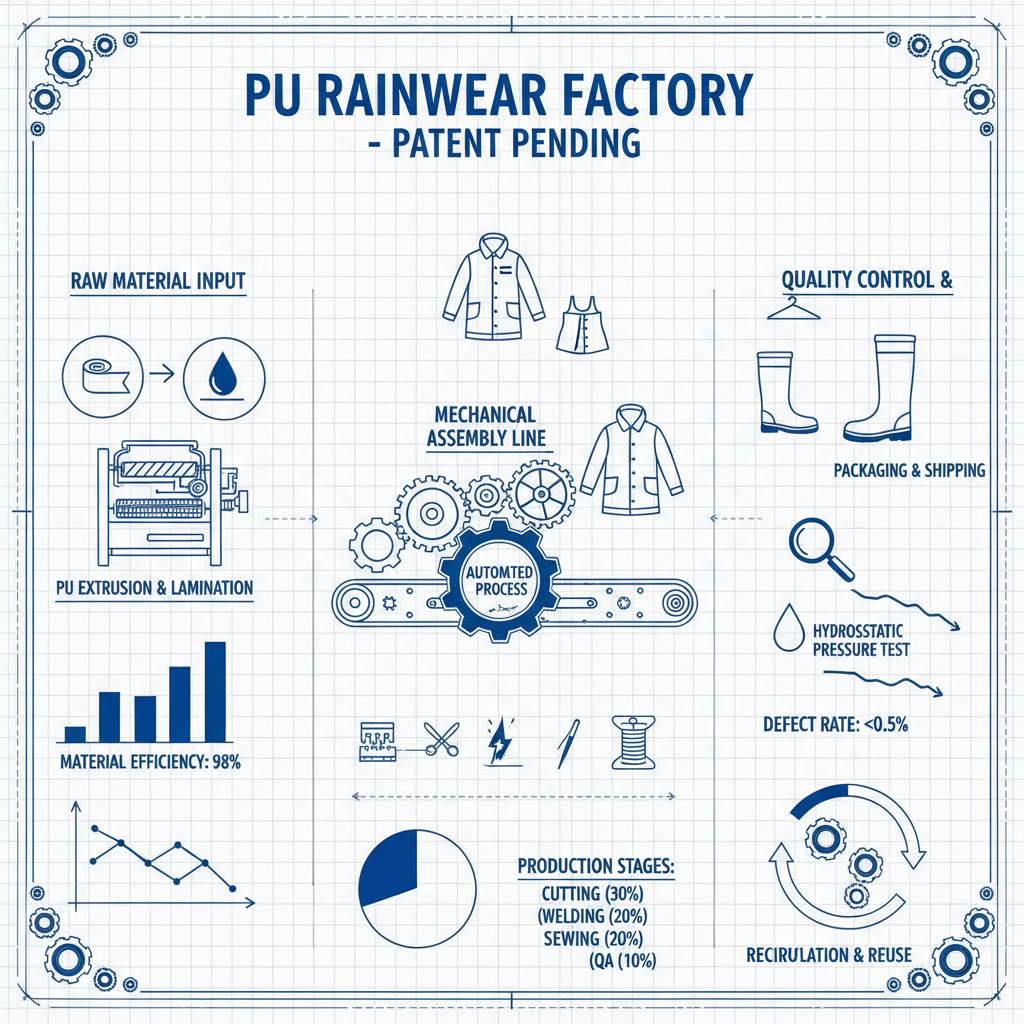
The effectiveness of pu rainwear hinges on several core components. First, the quality of the PU coating itself dictates the level of waterproofing. Higher denier coatings generally provide superior protection. Second, the base fabric chosen impacts the durability and tear resistance of the garment. Nylon is often preferred for its strength, while polyester offers better UV resistance.
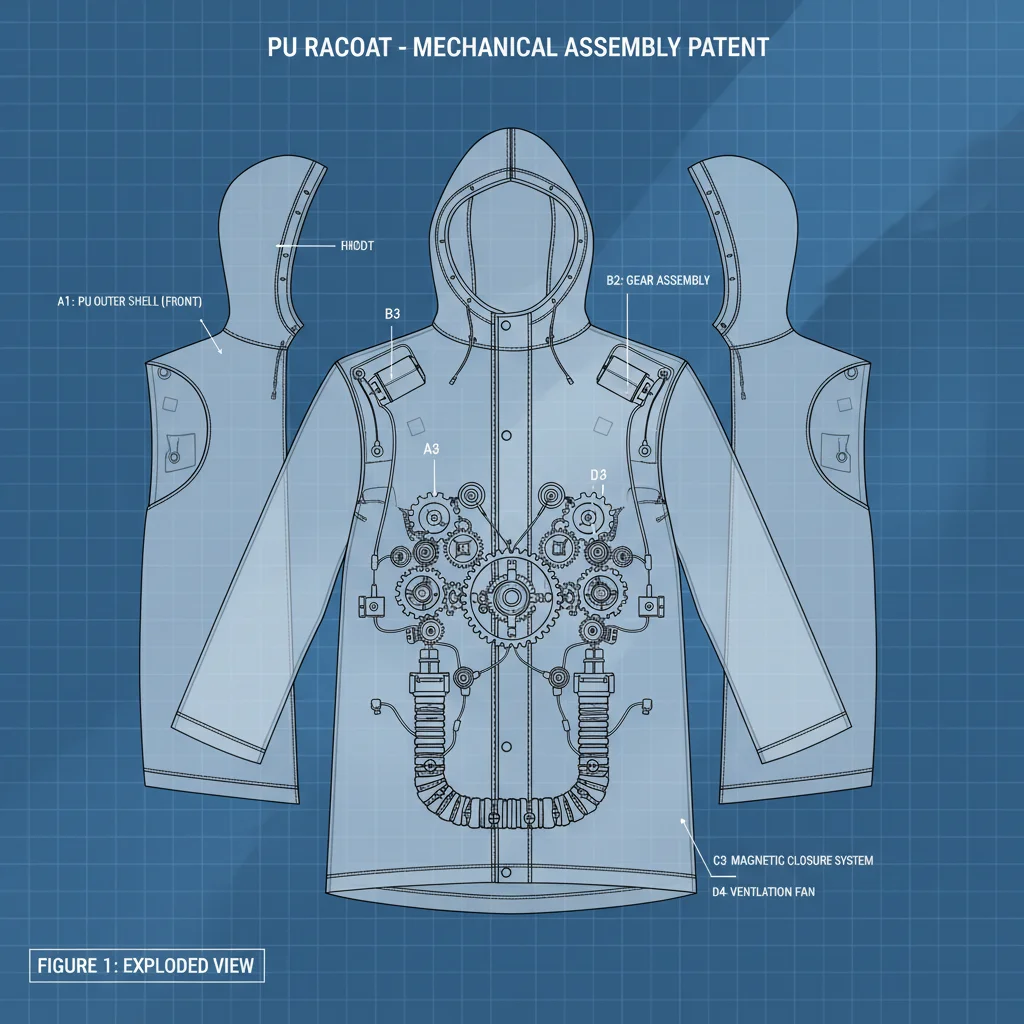
Thirdly, seam sealing is critical. Even the most waterproof fabric is vulnerable at seams if they aren’t properly sealed. Tape sealing, or heat-welding, is commonly used to create a watertight barrier. Fourthly, design elements such as hoods, cuffs, and closures contribute to overall protection. A well-designed hood and adjustable cuffs prevent water from entering the garment.
Finally, breathability, achieved through features like microporous membranes or ventilation systems, is essential for comfort during prolonged use. Without adequate breathability, condensation can build up inside the garment, leading to discomfort and reduced effectiveness.
Key Factors Influencing Pu Rainwear Performance
Several factors impact the overall performance of pu rainwear. Waterproof rating, measured in millimeters (mm), indicates the amount of water pressure a fabric can withstand before leaking. Higher ratings denote greater waterproofing. Durability, influenced by the denier of the fabric and the quality of the PU coating, determines the garment's lifespan.
Breathability, often measured in grams per square meter per 24 hours (g/m²/24h), is crucial for preventing overheating and maintaining comfort. Flexibility and range of motion are important considerations, especially for active users. The weight of the garment also plays a role, as lighter rainwear is more comfortable for extended wear.
Pu Rainwear Performance Metrics
Global Applications and Diverse Use Cases
Pu rainwear finds application across a vast spectrum of industries and scenarios. In agriculture, it protects farmworkers from exposure to rain and moisture, enhancing productivity and preventing illness. Construction workers rely on it to maintain safety and comfort on outdoor job sites. Emergency responders utilize pu rainwear during search and rescue operations, disaster relief, and hazardous material incidents.
In remote industrial zones, such as oil rigs or mining operations, pu rainwear provides essential protection for workers operating in harsh weather conditions. The tourism industry benefits from the availability of lightweight, waterproof gear for hikers, campers, and outdoor enthusiasts. In post-disaster relief operations, pu rainwear is often included in emergency aid packages to provide immediate protection for affected populations.
Advantages and Long-Term Value Proposition
The advantages of pu rainwear are multifaceted. Cost-effectiveness is a major draw, as PU coated fabrics are generally more affordable than other waterproof materials like Gore-Tex. Durability ensures a longer lifespan, reducing the need for frequent replacements. Sustainability is increasingly addressed through the use of recycled PU materials and eco-friendly manufacturing processes.
From a social impact perspective, providing access to reliable rain protection can significantly improve the quality of life for vulnerable populations. It fosters a sense of dignity and allows individuals to continue their daily activities regardless of the weather. Trust in the brand and quality of pu rainwear can enhance worker safety and build a positive reputation for companies providing PPE.
Future Trends and Technological Innovations
The future of pu rainwear is likely to be shaped by several key trends. Biodegradable PU coatings are under development, offering a more sustainable alternative to traditional PU. Smart fabrics with integrated sensors and heating elements could provide enhanced comfort and functionality. Advancements in nanotechnology could lead to even more waterproof and breathable fabrics.
Digital printing and customization will allow for more personalized designs and on-demand production, reducing waste and improving efficiency. Integration with wearable technology, such as GPS trackers and communication devices, could enhance safety and monitoring capabilities for workers in hazardous environments. Greater focus will also be placed on circular economy models, promoting the reuse and recycling of pu rainwear.
The increasing demand for environmentally responsible products will accelerate the adoption of sustainable materials and manufacturing processes, driving innovation throughout the pu rainwear industry.
Challenges and Solutions
Despite its benefits, pu rainwear faces challenges. PU, while durable, can degrade over time with exposure to UV radiation. The production of PU can also involve environmentally harmful chemicals. Maintaining breathability without compromising waterproofness remains a constant balancing act. Ensuring ethical and responsible sourcing of materials is another critical concern.
Analysis of Factors Affecting Pu Rainwear Quality
| Material Composition |
Coating Quality |
Seam Sealing Effectiveness |
Breathability Performance |
| Polyester Base Fabric |
High Denier PU Coating (8/9) |
Fully Taped Seams |
Moderate (6/10) |
| Nylon Base Fabric |
Standard Denier PU Coating (6/7) |
Critically Taped Seams |
Low (4/10) |
| Recycled Polyester |
Eco-Friendly PU Coating (7/8) |
Partially Taped Seams |
High (8/10) |
| Polyurethane Laminate |
Advanced PU Membrane (9/10) |
Laser Cut & Sealed |
Very High (9/10) |
| Cotton Blend |
Basic PU Coating (4/5) |
No Seam Sealing |
Very Low (2/10) |
| Ripstop Nylon |
Durable PU Coating (7.5/10) |
Fully Bonded Seams |
Good (7/10) |
FAQS
The lifespan of pu rainwear varies depending on usage and care. With regular use and proper cleaning (avoiding harsh detergents and high heat), a quality pu rainwear garment can last between 3-7 years. Higher denier fabrics and well-maintained seams contribute to longevity. Frequent abrasion and exposure to UV light will shorten the lifespan.
To maintain waterproof properties, always check the care label. Generally, hand washing with mild detergent is recommended. Avoid using fabric softeners or bleach, as these can damage the PU coating. If using a washing machine, use a gentle cycle and cold water. Tumble drying should be avoided; instead, hang the garment to air dry. Occasionally, re-applying a DWR (durable water repellent) treatment can restore water resistance.
While PU itself isn't inherently breathable, many pu rainwear garments incorporate features to improve breathability, such as microporous membranes or ventilation systems. You can enhance breathability by layering clothing appropriately – wearing moisture-wicking base layers. Choosing garments with pit zips or adjustable cuffs can also help regulate airflow.
PU coating involves applying a polyurethane layer to the surface of a fabric, offering waterproofness but potentially sacrificing some breathability. Laminated fabrics, on the other hand, bond a PU membrane to the base fabric, creating a more durable and breathable waterproof barrier. Laminated fabrics are generally more expensive but offer superior performance.
Traditional PU production isn't particularly eco-friendly. However, advancements are being made with recycled PU materials and water-based PU coatings, reducing environmental impact. Look for certifications like OEKO-TEX to ensure the garment meets strict environmental standards. Choosing durable, long-lasting pu rainwear also reduces consumption and waste.
Small tears can often be repaired using a waterproof patch designed for outdoor gear. Clean the area around the tear thoroughly before applying the patch. For more significant damage, seam sealing tape can be used to reinforce seams. A professional outdoor gear repair service can also provide more extensive repairs.
Conclusion
Pu rainwear has evolved from a basic necessity to a sophisticated and versatile product, playing a vital role in protecting individuals across diverse industries and environments. Its affordability, durability, and continuous innovation make it a cornerstone of weather protection. Understanding the core components, performance factors, and emerging trends within the pu rainwear sector is crucial for making informed decisions about purchasing and utilizing this essential gear.
Looking forward, the focus on sustainability, advanced materials, and smart technologies promises to further enhance the functionality and environmental responsibility of pu rainwear. Investing in quality pu rainwear is not just about staying dry; it's about ensuring safety, productivity, and peace of mind in a world increasingly impacted by unpredictable weather patterns. Visit our website to explore our range of high-quality pu rainwear: pu rainwear.