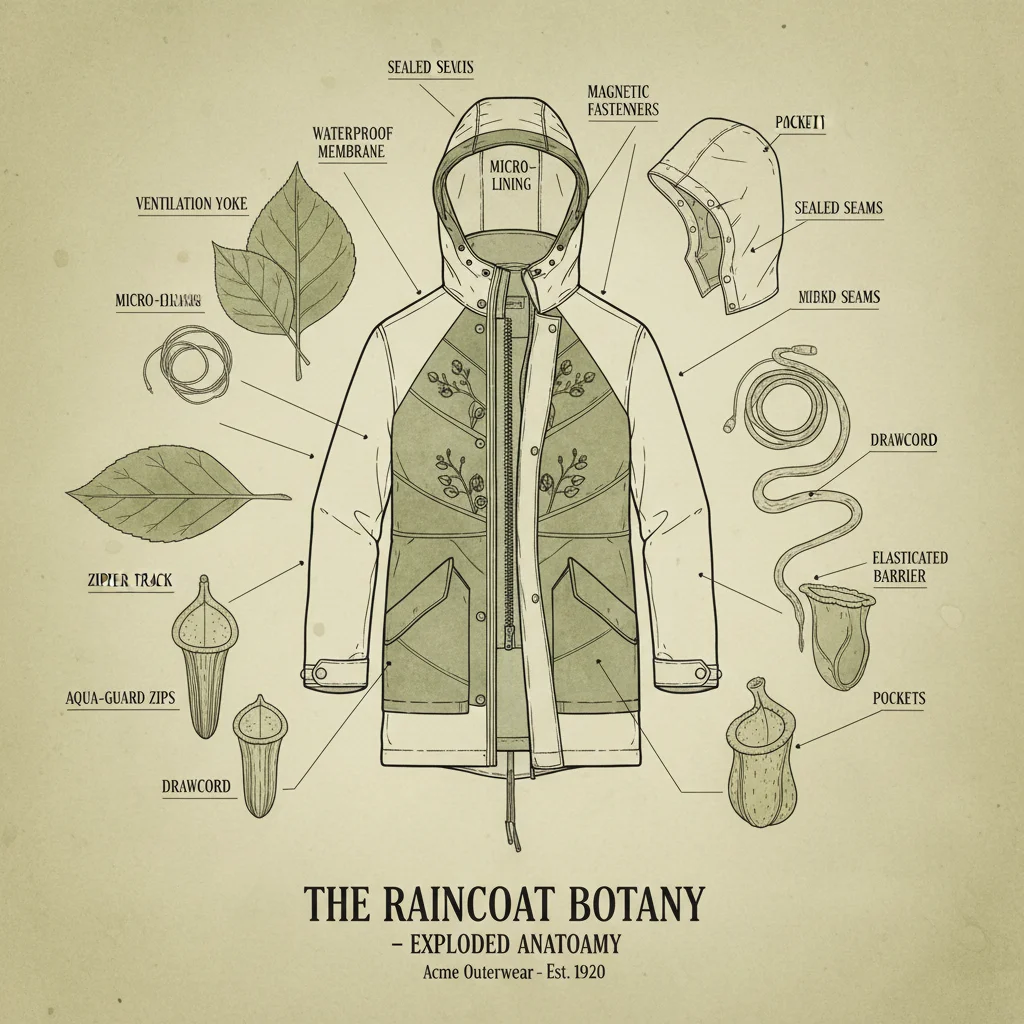
The polyurethane raincoat stands as a vital piece of protective apparel, offering reliable defense against the elements across a spectrum of applications. From everyday commutes in inclement weather to specialized roles in industries like construction, agriculture, and emergency services, its ability to repel water while remaining relatively lightweight and durable makes it indispensable. The global demand for effective weather protection drives continual innovation in polyurethane raincoat technology, focusing on improved breathability, comfort, and sustainability. Understanding the nuances of polyurethane raincoat construction and materials is crucial for consumers and professionals alike, ensuring they select the optimal garment for their specific needs and circumstances.
Globally, the need for reliable rain protection is ever-present. According to the United Nations Office for Disaster Risk Reduction, extreme weather events are increasing in frequency and intensity, escalating the demand for protective gear. The polyurethane raincoat addresses this challenge directly by providing an accessible and effective barrier against rainfall, wind, and cold. The market is estimated to be valued in the billions, encompassing a wide range of styles and price points. This reflects not only the necessity of the product but also its adaptability to diverse consumer requirements and regional climates.
The increasing prevalence of outdoor activities and the growing awareness of workplace safety further amplify the demand for polyurethane raincoats. This demand isn't just limited to individual consumers; large-scale organizations, including government agencies and humanitarian organizations, rely heavily on these garments for personnel protection in challenging environments.

The Core Principles of Polyurethane Raincoat Design
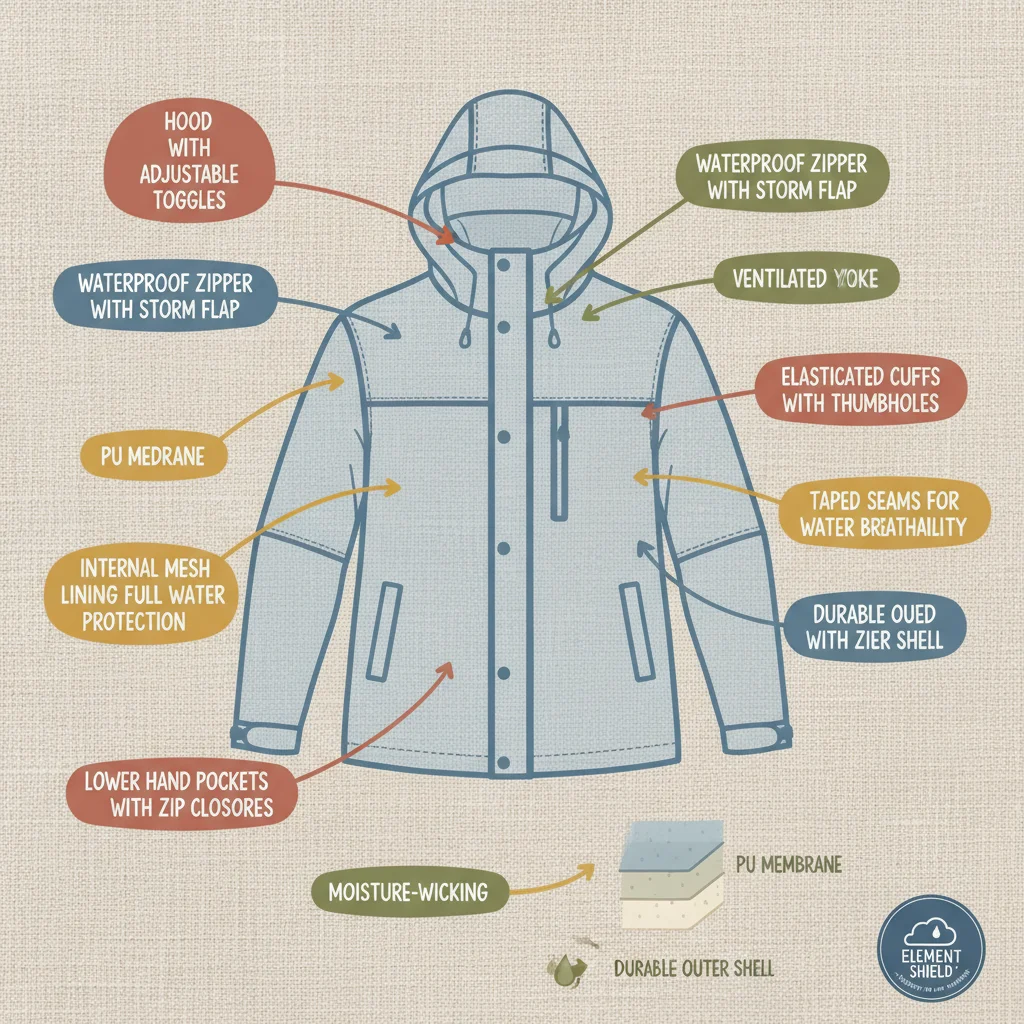
The fundamental principle driving polyurethane raincoat design is creating a waterproof barrier without sacrificing comfort or breathability. Polyurethane, a versatile polymer, is chosen for its exceptional water resistance and durability. The design process involves careful consideration of the fabric’s layering, sealing seams to prevent water ingress, and incorporating features like hoods, adjustable cuffs, and secure closures. These elements work in harmony to provide comprehensive protection from the elements.
Furthermore, the design must account for the intended use of the raincoat. A lightweight, packable polyurethane raincoat is ideal for hikers and travelers, while a heavier-duty version with reinforced construction is more suitable for industrial workers exposed to harsh conditions. Ergonomics and freedom of movement are also key considerations, ensuring the raincoat doesn’t impede the wearer’s activities.
The Global Polyurethane Raincoat Market
The global polyurethane raincoat market is a dynamic landscape driven by diverse factors including climate change, population growth, and increasing outdoor recreational activities. Asia-Pacific currently dominates the market, fueled by large-scale manufacturing capabilities and a growing demand from countries with monsoon climates. North America and Europe represent significant mature markets with a focus on high-performance and sustainable polyurethane raincoat options.
The market is characterized by a blend of established brands and emerging players. Competition is intense, centering around innovation in materials, design, and functionality. The rise of e-commerce has expanded market reach, allowing smaller manufacturers to compete globally. The increasing demand for eco-friendly polyurethane raincoat options, utilizing recycled materials and sustainable manufacturing processes, is another key trend shaping the market.
Statistics from industry reports indicate a steady growth rate of approximately 4-6% annually, with projections for continued expansion over the next decade. This growth is underpinned by the increasing awareness of the importance of protective clothing and the growing need for reliable weather protection in a changing climate.
Defining a Polyurethane Raincoat
A polyurethane raincoat is a waterproof garment constructed with a polyurethane coating or laminate applied to a base fabric, typically nylon or polyester. This coating provides a barrier against water penetration, keeping the wearer dry in wet conditions. Unlike traditional rubber raincoats, polyurethane offers greater flexibility, breathability, and a lighter weight, making it more comfortable for extended wear.
The defining characteristic of a polyurethane raincoat lies in its ability to balance waterproofing with other essential properties. The polyurethane material itself is inherently waterproof, but its performance can be further enhanced through various manufacturing techniques, such as seam sealing and durable water repellent (DWR) finishes. This combination ensures comprehensive protection against rain, wind, and even snow.
The connection to modern industry and humanitarian needs is significant. Industrial workers in construction, agriculture, and transportation rely on polyurethane raincoats for protection from the elements, improving safety and productivity. Humanitarian organizations utilize these garments extensively in disaster relief efforts, providing essential protection to affected populations. The adaptability and reliability of the polyurethane raincoat make it a critical component of both economic and social well-being.
Key Components of Effective Polyurethane Raincoats
Several key components contribute to the effectiveness of a polyurethane raincoat. First, the quality of the polyurethane coating itself is paramount. Higher-quality polyurethane formulations offer superior water resistance, durability, and flexibility. Secondly, the base fabric plays a crucial role in determining the overall strength and weight of the raincoat.
Seam sealing is another critical aspect. Even the most waterproof fabric can allow water to penetrate through the seams. Effective seam sealing prevents this by creating a watertight barrier along all stitched areas. Finally, design features like hoods, adjustable cuffs, and secure closures enhance the raincoat’s overall functionality and protection.
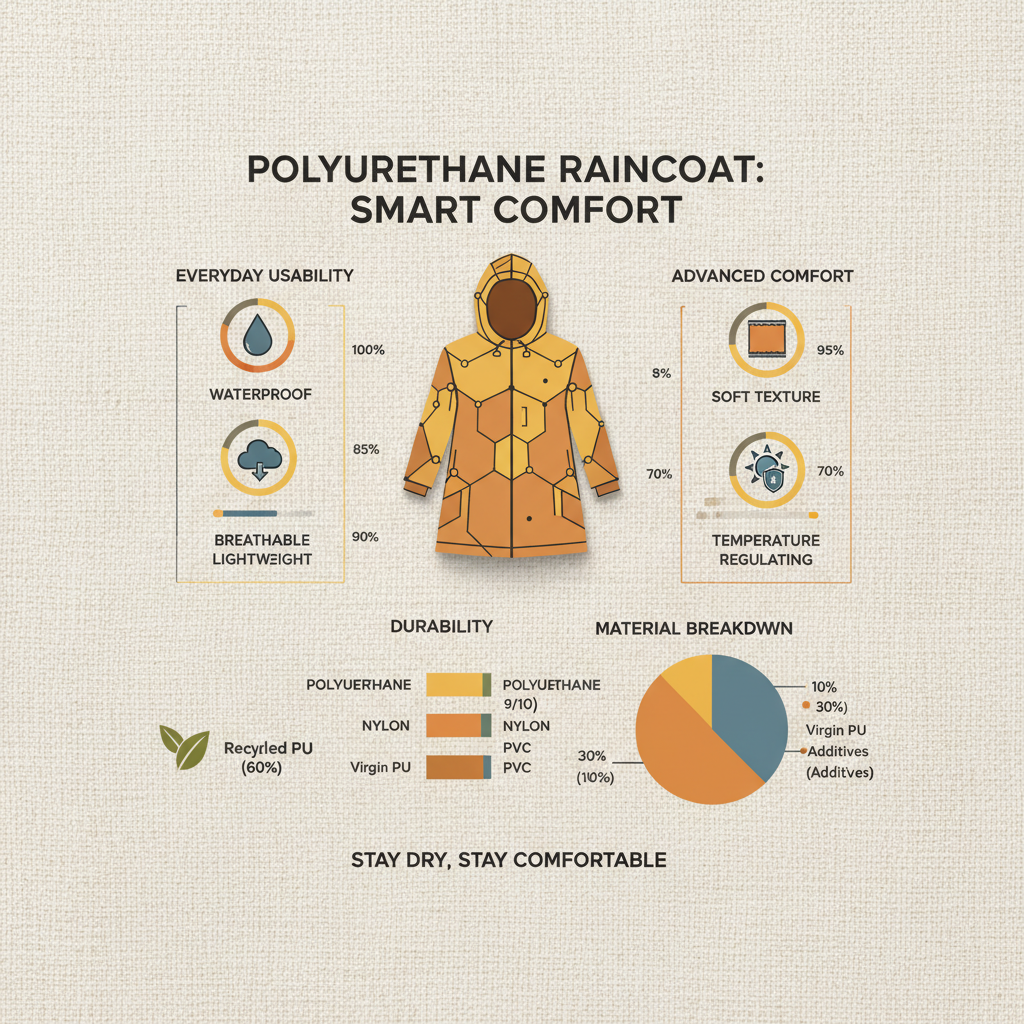
Polyurethane Raincoat Performance Metrics
Global Applications of Polyurethane Raincoats
Polyurethane raincoats find application in a remarkably diverse range of settings. In the agricultural sector, farmers and farmworkers rely on them for protection during fieldwork in wet conditions. Construction workers use them to stay dry and safe on outdoor job sites. Emergency responders, including firefighters and paramedics, utilize them during rescue operations and disaster response.
In post-disaster relief operations, polyurethane raincoats are often included in emergency supply kits, providing crucial protection to displaced individuals and aid workers. In remote industrial zones, such as oil rigs and mining operations, they offer essential protection against harsh weather conditions. Furthermore, they are widely used by outdoor enthusiasts, including hikers, campers, and cyclists, enabling them to enjoy their activities regardless of the weather.
Advantages and Long-Term Value of Polyurethane Raincoats
The advantages of polyurethane raincoats are numerous. They offer superior waterproofing compared to many alternative materials, providing reliable protection against rain and snow. Their lightweight and flexible nature enhances comfort and freedom of movement. Polyurethane is also relatively durable, ensuring a long lifespan with proper care.
The long-term value extends beyond mere functionality. A well-maintained polyurethane raincoat represents a cost-effective investment, reducing the need for frequent replacements. Furthermore, choosing a sustainable polyurethane raincoat contributes to environmental responsibility. From a safety perspective, it ensures workers and individuals are protected from the elements, preventing weather-related illnesses and injuries.
Future Trends and Innovations in Polyurethane Raincoat Technology
The future of polyurethane raincoat technology is focused on enhanced sustainability and performance. Researchers are exploring bio-based polyurethane formulations derived from renewable resources, reducing reliance on fossil fuels. Innovations in membrane technology are leading to more breathable polyurethane coatings, improving comfort during strenuous activity.
Digital printing techniques are enabling customized designs and on-demand manufacturing, reducing waste and improving efficiency. Smart textiles incorporating sensors and connectivity features are also emerging, allowing for real-time monitoring of environmental conditions and personalized protection. These advancements promise to deliver even more effective, comfortable, and sustainable polyurethane raincoats in the years to come.
Furthermore, the integration of nanotechnology is being explored to enhance water repellency and durability, while also reducing the environmental impact of the manufacturing process. These innovations position the polyurethane raincoat as a continually evolving piece of protective apparel.
Summary Table of Polyurethane Raincoat Innovation Areas
| Innovation Area |
Current Status |
Potential Impact |
Implementation Challenges |
| Bio-Based Polyurethane |
Early stage research and development. |
Reduced carbon footprint, sustainable material source. |
Cost competitiveness, performance limitations. |
| Breathable Membranes |
Commercially available, improving performance. |
Enhanced comfort, reduced condensation. |
Durability, cost. |
| Digital Printing |
Increasingly adopted for customization. |
Reduced waste, on-demand manufacturing. |
Scalability, print quality. |
| Smart Textiles |
Prototype stage, limited availability. |
Real-time monitoring, personalized protection. |
Power requirements, data privacy. |
| Nanotechnology Enhancements |
Research phase, showing promising results. |
Increased water repellency, improved durability. |
Cost, environmental impact of nanoparticles. |
| Recycled Polyurethane |
Growing availability of recycled materials. |
Reduced reliance on virgin plastics, circular economy. |
Material quality consistency, processing challenges. |
FAQS
With regular cleaning and appropriate storage, a high-quality polyurethane raincoat can last anywhere from 5 to 10 years, depending on the frequency of use and the conditions it’s exposed to. Factors like UV exposure, abrasion, and harsh detergents can shorten its lifespan. Regular application of a DWR (Durable Water Repellent) treatment can help maintain its waterproof properties and extend its usability. Avoid machine washing on high heat, and always store in a cool, dry place.
To effectively clean a polyurethane raincoat, use a mild detergent and lukewarm water. Avoid harsh chemicals, bleach, or fabric softeners. Hand washing is recommended, but machine washing on a gentle cycle is also acceptable. Turn the raincoat inside out before washing. After washing, allow it to air dry completely, avoiding direct sunlight or heat sources. Reapplying a DWR treatment after several washes can help restore its water repellency.
While polyurethane itself isn't inherently breathable, modern polyurethane raincoats often incorporate breathable membranes or coatings to allow moisture vapor to escape, reducing condensation buildup. Breathability can be improved by choosing raincoats with ventilation features like pit zips or mesh lining. Layering appropriate clothing underneath the raincoat, such as moisture-wicking base layers, can also enhance comfort and breathability.
DWR (Durable Water Repellent) treatment is a coating applied to the exterior of polyurethane raincoats to cause water to bead up and roll off, enhancing their water resistance. Over time, the DWR treatment wears off with use and washing. It should be reapplied every few washes, or when water no longer beads up on the surface. DWR treatments are available in spray-on and wash-in formulas.
Yes, the availability of eco-friendly polyurethane raincoat options is increasing. These options often utilize recycled polyurethane materials, bio-based polyurethane formulations derived from renewable resources, or PFC-free DWR treatments. Look for raincoats certified by organizations like bluesign® or OEKO-TEX®, which indicate adherence to strict environmental and safety standards. Consider brands committed to sustainable manufacturing practices.
Small tears in a polyurethane raincoat can often be repaired using a specialized polyurethane repair kit, which typically includes a patch and adhesive. Clean the area around the tear thoroughly, apply the adhesive to the patch, and carefully press it over the tear. Allow the adhesive to cure completely before using the raincoat. For larger tears, professional repair services may be necessary.
Conclusion
In conclusion, the polyurethane raincoat stands as a testament to the power of material science and thoughtful design in addressing a fundamental human need—protection from the elements. Its versatility, durability, and increasingly sustainable production methods make it a valuable asset in a wide range of applications, from everyday commutes to critical emergency response situations. Understanding its core components, advantages, and emerging innovations empowers consumers and professionals alike to make informed choices.
Looking ahead, the future of polyurethane raincoat technology promises even greater advancements in sustainability, performance, and functionality. Continued research into bio-based materials, breathable membranes, and smart textile integration will drive innovation, ensuring the polyurethane raincoat remains a vital and adaptable piece of protective apparel for years to come. Visit our website to explore our range of high-quality polyurethane raincoats: polyurethane raincoat.