PU rain jackets are essential protective gear, increasingly vital in a world facing unpredictable weather patterns and a growing need for reliable outdoor wear. Their versatility makes them suitable for a wide range of applications, from everyday commuting to extreme outdoor adventures. Understanding the construction, materials, and benefits of a high-quality PU rain jacket is crucial for anyone seeking effective protection from the elements.
Globally, the demand for waterproof clothing is rising, driven by factors like climate change, increased outdoor recreation, and the necessity for functional workwear. PU rain jackets offer a cost-effective and durable solution compared to other waterproof materials, making them a popular choice across various industries and personal uses. The need for efficient and reliable rain protection is a constant, impacting industries from agriculture and construction to emergency services and leisure.
The increasing frequency of extreme weather events, as reported by organizations like the UN and World Meteorological Organization, underscores the importance of readily available and effective rain protection. A well-designed PU rain jacket is more than just clothing; it’s a safeguard against discomfort, health risks, and potential hazards associated with exposure to rain and cold.
Defining PU Rain Jackets and Their Applications
A PU rain jacket, at its core, is a waterproof garment constructed with a polyurethane (PU) coating applied to a base fabric – typically polyester or nylon. This coating creates a barrier against water penetration, keeping the wearer dry in wet conditions. PU rain jackets are commonly used as a protective outer layer, designed to be worn over other clothing.
Their applications are incredibly diverse, ranging from practical everyday use – such as commuting to work or running errands – to more demanding scenarios like hiking, camping, and construction work. The versatility and affordability of a PU rain jacket make it a staple in many wardrobes and essential equipment for professionals working outdoors.
The Core Components of a PU Rain Jacket
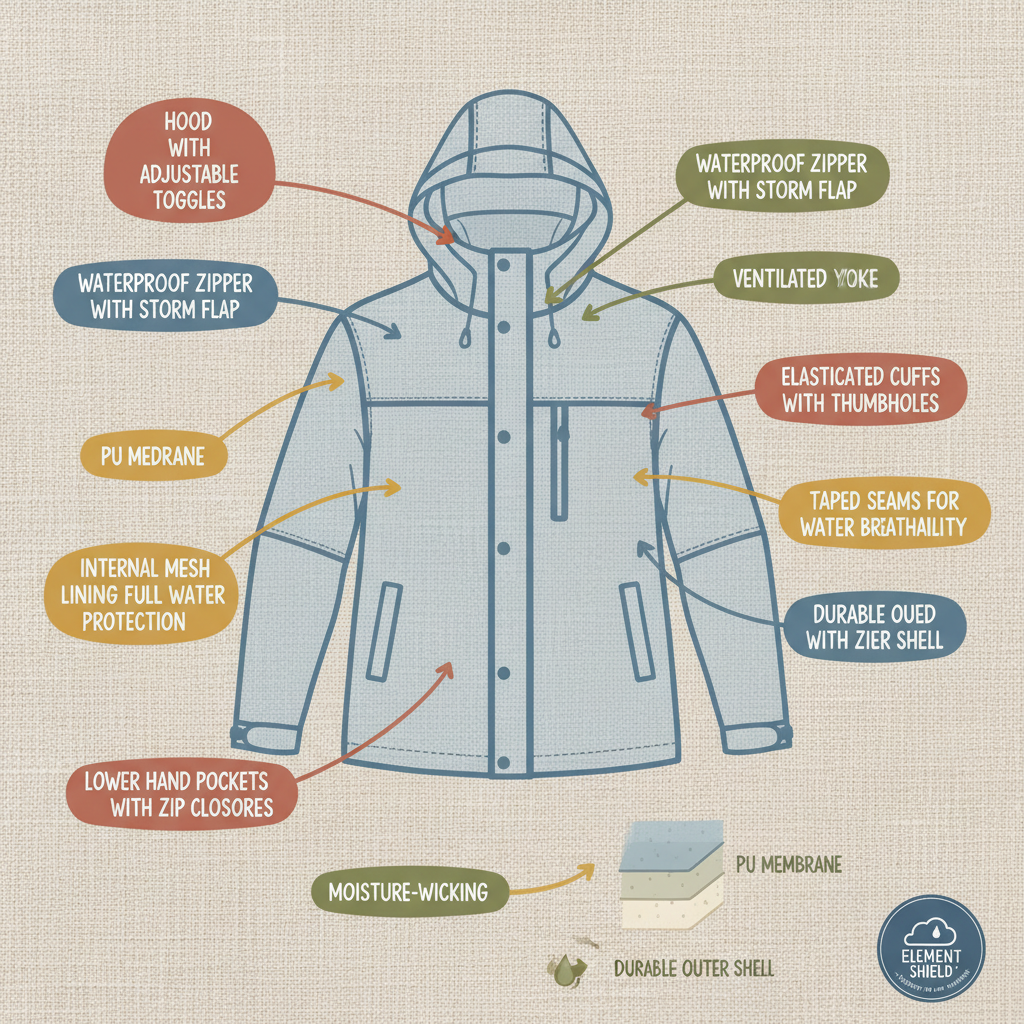
Several key components contribute to the functionality and quality of a PU rain jacket. These include the face fabric (polyester or nylon), the PU coating itself, seams (often taped for enhanced waterproofing), zippers (water-resistant or waterproof), and adjustable features like hoods and cuffs. The quality of each component directly impacts the jacket’s performance.
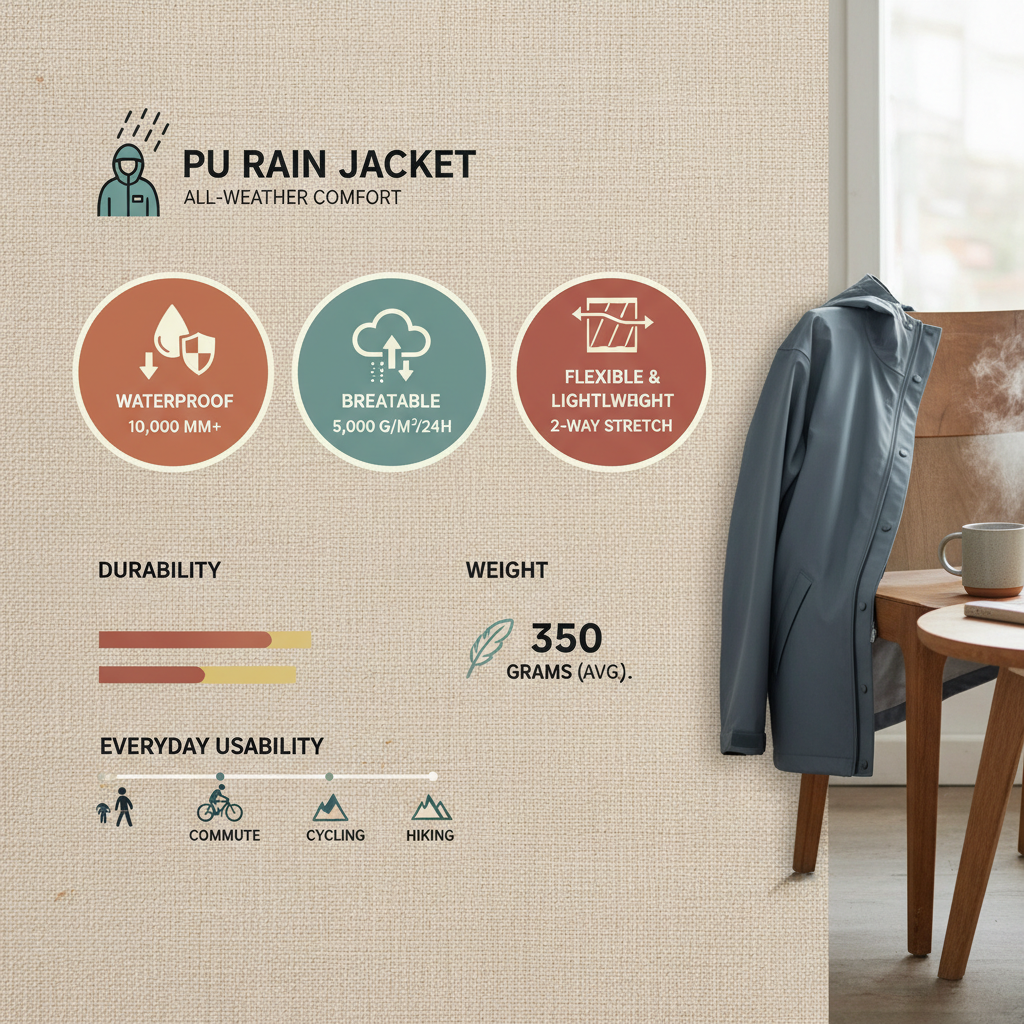
The PU coating's thickness and quality determine the level of waterproofness, measured in millimeters (mm) of water column resistance. Higher numbers indicate greater resistance. The face fabric provides durability and resistance to abrasion, while taped seams prevent water from seeping through the stitching.
Furthermore, features like a durable water repellent (DWR) finish applied to the face fabric enhance water shedding and prevent the fabric from becoming saturated, improving breathability and overall comfort. A thoughtfully designed PU rain jacket considers the interplay of all these elements.
Manufacturing and Material Composition of PU Rain Jackets
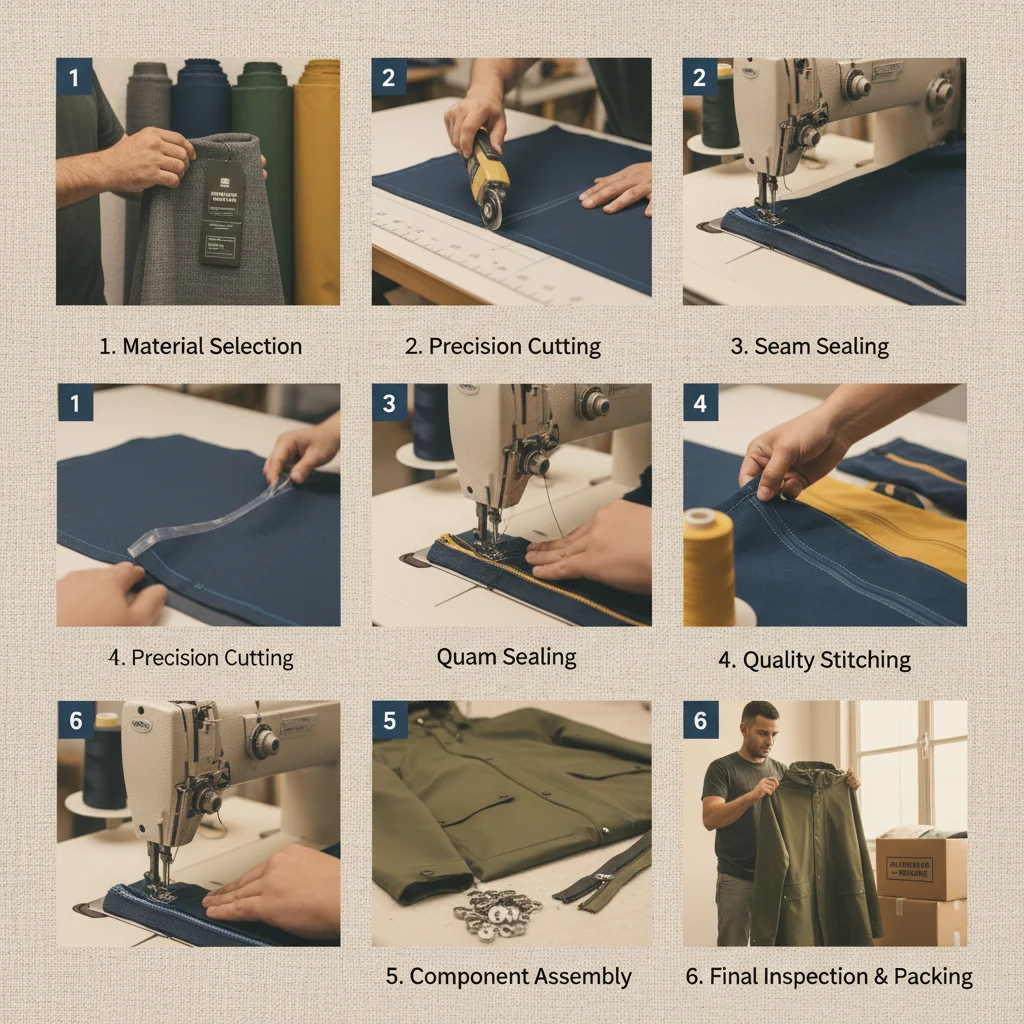
The manufacturing process of a PU rain jacket typically begins with selecting the base fabric, usually polyester or nylon, known for their strength and resistance to tearing. This fabric is then coated with a layer of polyurethane (PU), a synthetic polymer that provides the waterproof properties. The coating is applied using various techniques, including direct coating, transfer coating, or micro-porous coating.
The choice of PU formulation impacts the jacket’s breathability and flexibility. More advanced PU coatings incorporate hydrophilic technology, allowing water vapor to escape while preventing liquid water from entering. Seams are then sealed with waterproof tape to prevent leakage through the stitching. Quality control measures are essential throughout the process to ensure consistent waterproof performance.
Sustainable manufacturing practices are becoming increasingly important. This includes using recycled polyester or nylon fabrics, water-based PU coatings (which reduce VOC emissions), and responsible waste management. Manufacturers are striving to create high-performance PU rain jackets with a reduced environmental footprint.
Performance Characteristics and Testing Standards for PU Rain Jackets
The performance of a PU rain jacket is evaluated based on several key characteristics, including waterproofness, breathability, durability, and wind resistance. Waterproofness is measured using a hydrostatic head test, which determines the water column resistance in millimeters (mm). Higher values indicate better protection.
Breathability, crucial for comfort, is assessed by measuring the Moisture Vapor Transmission Rate (MVTR), indicating how much water vapor can pass through the fabric. Durability is tested through abrasion resistance assessments, while wind resistance is evaluated by measuring air permeability.
PU Rain Jacket Performance Metrics Comparison
Global Applications and Industries Utilizing PU Rain Jackets
PU rain jackets find widespread application across numerous industries and sectors globally. In agriculture, they protect farmworkers from inclement weather, ensuring productivity and health. Construction workers rely on them for on-site protection, safeguarding against delays and maintaining safety standards.
Emergency services, including firefighters and search-and-rescue teams, utilize PU rain jackets as part of their essential protective gear. Outdoor enthusiasts, such as hikers, campers, and anglers, benefit from their lightweight and waterproof properties. In post-disaster relief operations, these jackets are vital for providing shelter and protection to affected populations.
Advantages and Long-Term Value Proposition
The advantages of a PU rain jacket are numerous. Cost-effectiveness is a significant benefit, making them accessible to a wider range of consumers and organizations. Durability ensures a longer lifespan compared to some other waterproof materials. The lightweight nature of PU jackets enhances comfort and ease of movement.
From a long-term value perspective, investing in a quality PU rain jacket provides reliable protection and reduces the need for frequent replacements. Furthermore, responsible sourcing and manufacturing contribute to a more sustainable product lifecycle, aligning with growing consumer demand for eco-friendly options.
Beyond practicality, owning a reliable rain jacket offers peace of mind and a sense of preparedness, contributing to increased safety and confidence in any weather condition. The emotional benefit of staying dry and comfortable shouldn’t be underestimated.
Future Trends and Innovations in PU Rain Jacket Technology
Future trends in PU rain jacket technology are focused on enhancing performance, sustainability, and comfort. Innovations in PU coating formulations are leading to increased breathability and flexibility without compromising waterproofness. The integration of bio-based PU materials derived from renewable resources is gaining traction.
Smart fabrics with integrated sensors and heating elements are emerging, offering enhanced functionality and personalized comfort. Digital printing technologies are enabling more complex and customizable designs. Furthermore, advancements in seam sealing techniques are creating even more waterproof and durable garments.
The industry is also embracing circular economy principles, focusing on recyclability and reducing waste. Expect to see more PU rain jackets made from recycled materials and designed for disassembly and reuse.
Summary of PU Rain Jacket Future Trends
| Trend Category |
Specific Innovation |
Impact on PU Rain Jacket |
Adoption Timeline |
| Materials |
Bio-based PU Coatings |
Reduced environmental impact, lower VOC emissions |
3-5 years |
| Technology |
Smart Fabric Integration |
Enhanced functionality, personalized comfort |
5-10 years |
| Manufacturing |
Digital Printing |
Customizable designs, reduced waste |
1-3 years |
| Sustainability |
Recycled Materials |
Reduced reliance on virgin materials, circular economy |
Currently Available |
| Design |
Advanced Seam Sealing |
Improved Waterproofing, increased durability |
2-4 years |
| Performance |
Enhanced Breathability |
Improved comfort during strenuous activities |
3-5 years |
FAQS
While both PU and PVC are waterproof coatings, PU is generally considered more flexible, breathable, and durable than PVC. PVC is less environmentally friendly due to the use of phthalates in its production. PU jackets tend to be more comfortable for extended wear and offer better performance in a wider range of conditions.
To maximize the lifespan of your PU rain jacket, machine wash it on a gentle cycle with mild detergent. Avoid using fabric softeners or bleach, as these can damage the PU coating. Tumble dry on low heat or hang to dry. Regularly re-applying a DWR (durable water repellent) treatment will help maintain its waterproof properties.
A waterproof rating of at least 5,000mm is generally sufficient for light rain and everyday use. For heavier rain and more demanding activities, look for a rating of 10,000mm or higher. The higher the number, the more waterproof the jacket. Breathability is also important, so consider jackets with a higher MVTR (Moisture Vapor Transmission Rate).
While PU coatings are waterproof, they can sometimes limit breathability. However, advancements in PU technology have led to the development of more breathable coatings, often incorporating hydrophilic properties that allow water vapor to escape. Look for jackets with features like pit zips or ventilation panels to enhance airflow.
DWR (Durable Water Repellent) is a coating applied to the outer fabric of a rain jacket. It causes water to bead up and roll off, preventing the fabric from becoming saturated. This enhances breathability and keeps the jacket lighter. DWR wears off over time and needs to be reapplied periodically to maintain its effectiveness.
If water no longer beads up on the surface of your jacket and instead soaks into the fabric, it's time to re-waterproof it. You can test this by sprinkling water onto the jacket. Regular re-waterproofing will help maintain the jacket’s performance and extend its lifespan.
Conclusion
PU rain jackets represent a vital solution for protection against the elements, offering a compelling combination of affordability, durability, and functionality. From everyday commuters to professionals working in harsh environments, their versatility makes them an essential item for individuals and organizations worldwide. The continued innovation in materials and manufacturing techniques promises even more high-performing and sustainable PU rain jackets in the future.
Looking ahead, a focus on sustainable materials, enhanced breathability, and smart fabric integration will drive the evolution of PU rain jacket technology. Investing in a quality PU rain jacket is not just a purchase, but an investment in preparedness, comfort, and environmental responsibility. Visit our website at www.jjpuraincoat.com to explore our range of PU rain jackets.