Feb. 9, 2026
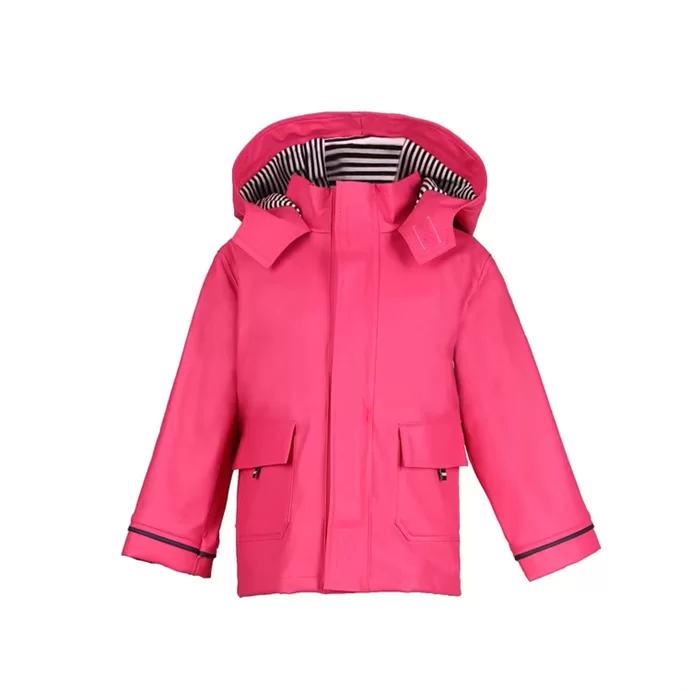
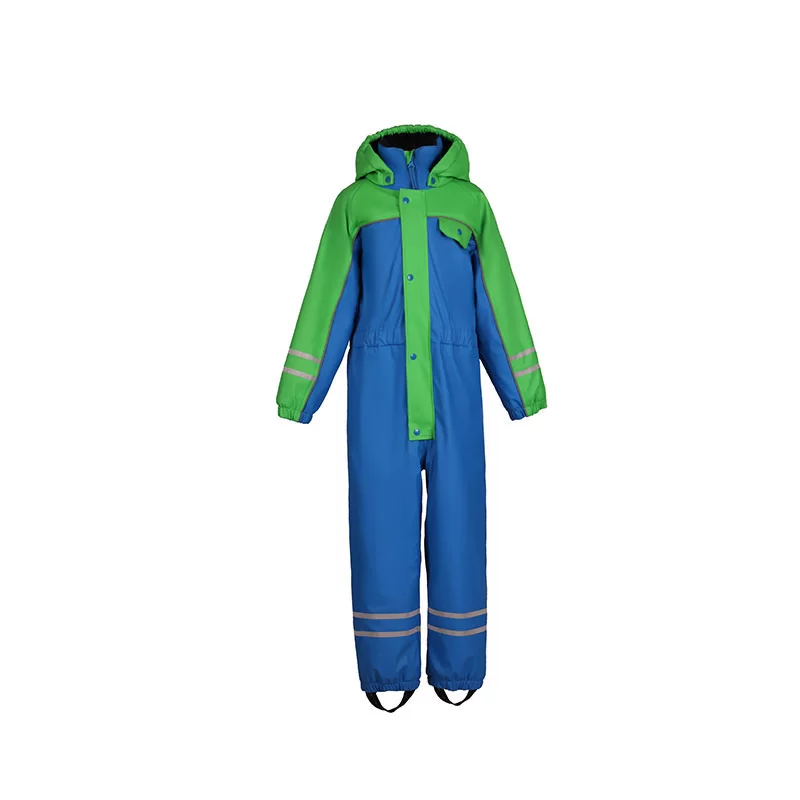
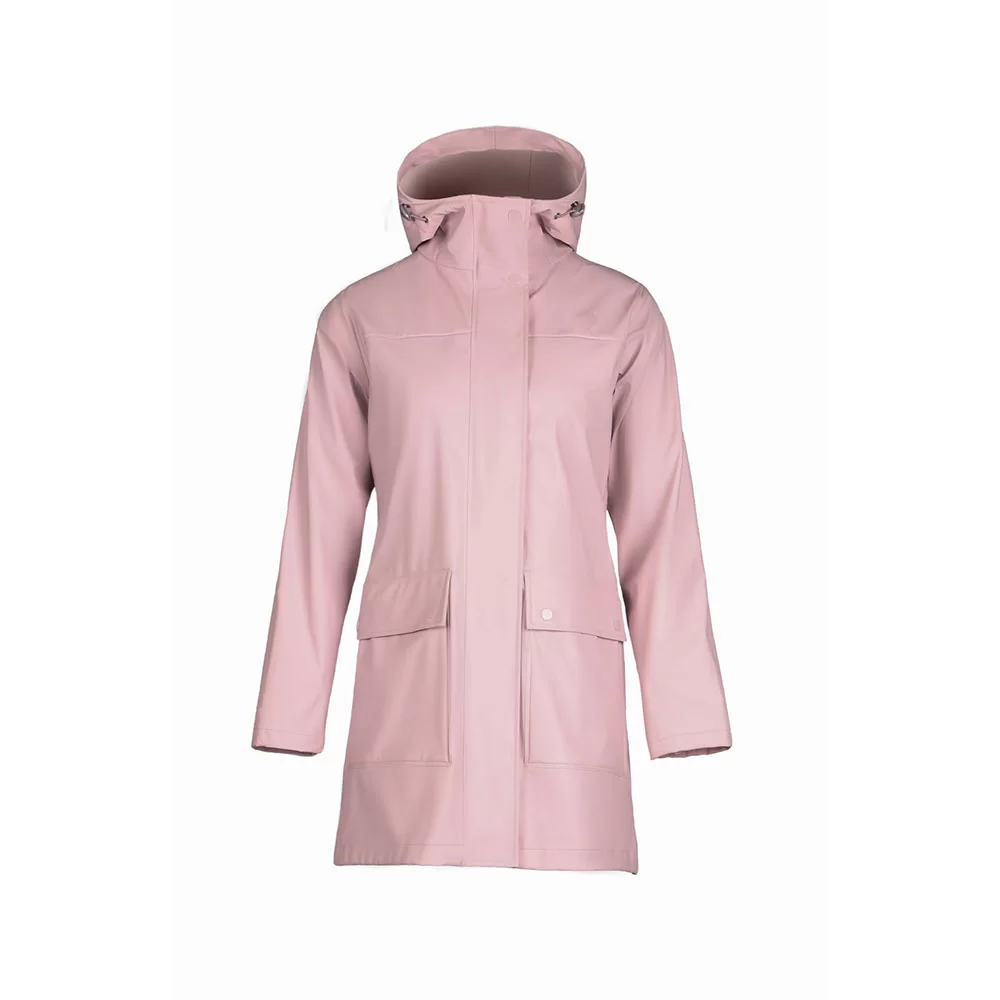
Finding the right rain jacket factories is crucial for businesses looking to offer high-quality, durable, and weatherproof apparel. This article provides a detailed overview of the key factors to consider when sourcing from manufacturers, navigating the complexities of international trade, and ensuring you partner with a reliable supplier. We’ll explore what to look for in a factory, common materials used, quality control processes, and how to leverage platforms like JJ Puraincoat for your sourcing needs. Effective sourcing can significantly impact your bottom line and brand reputation.
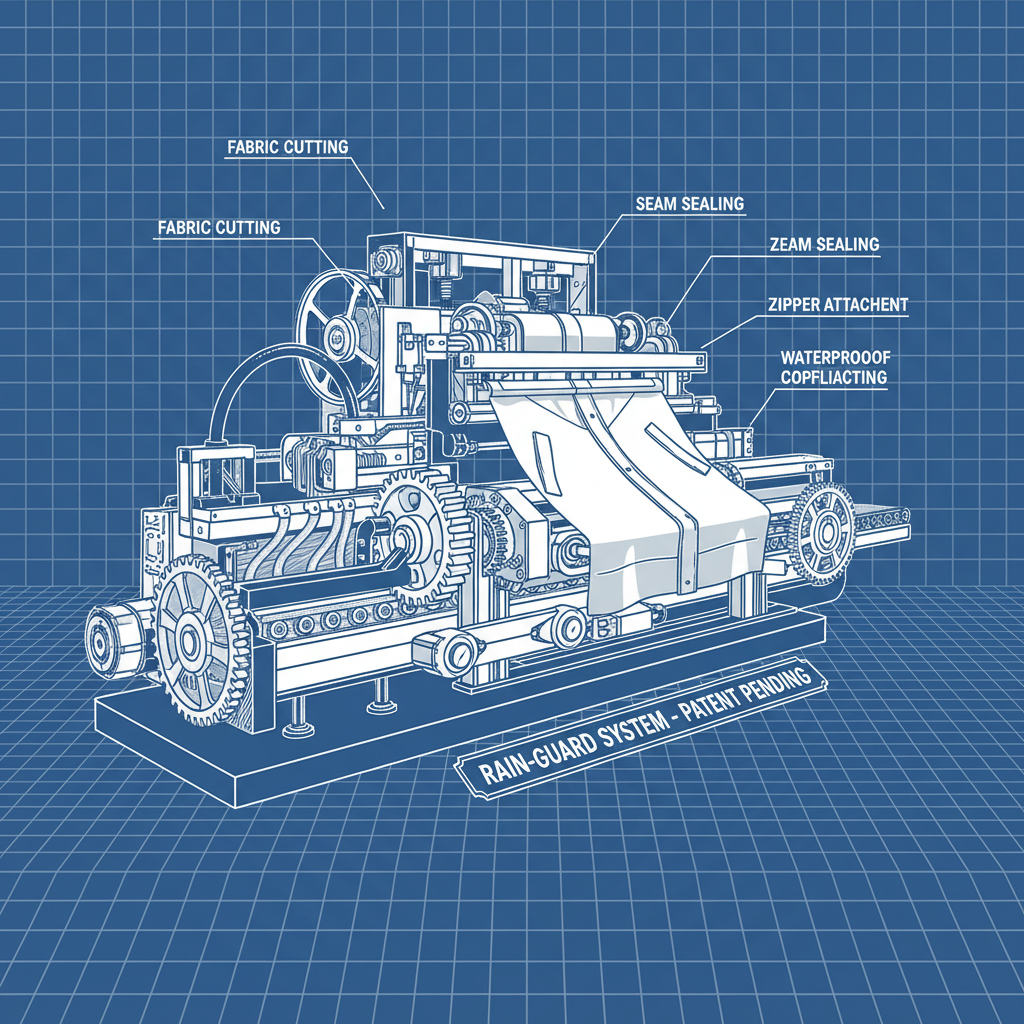
Selecting a rain jacket factory requires careful evaluation. Beyond price, you need to assess their production capacity, quality control measures, and ethical labor practices. Look for factories with certifications like ISO 9001, indicating a commitment to quality management. Consider their experience in producing the specific types of rain jackets you require – whether it’s lightweight packable jackets, heavy-duty waterproof workwear, or fashionable raincoats. Strong communication and a willingness to understand your specific needs are also vital. Don't be afraid to request samples and conduct thorough factory audits before committing to a long-term partnership. JJ Puraincoat provides a vetted selection of reliable manufacturers.
Key Highlights: Focus on production capacity, quality control, ethical practices, and certifications. Clear communication is essential for successful collaboration.
The quality of a rain jacket heavily depends on the materials used. Common options include:
Material Comparison:
• Polyester: Affordable, durable, water-resistant
• Nylon: Strong, abrasion-resistant, more expensive
• PVC: Fully waterproof, less breathable
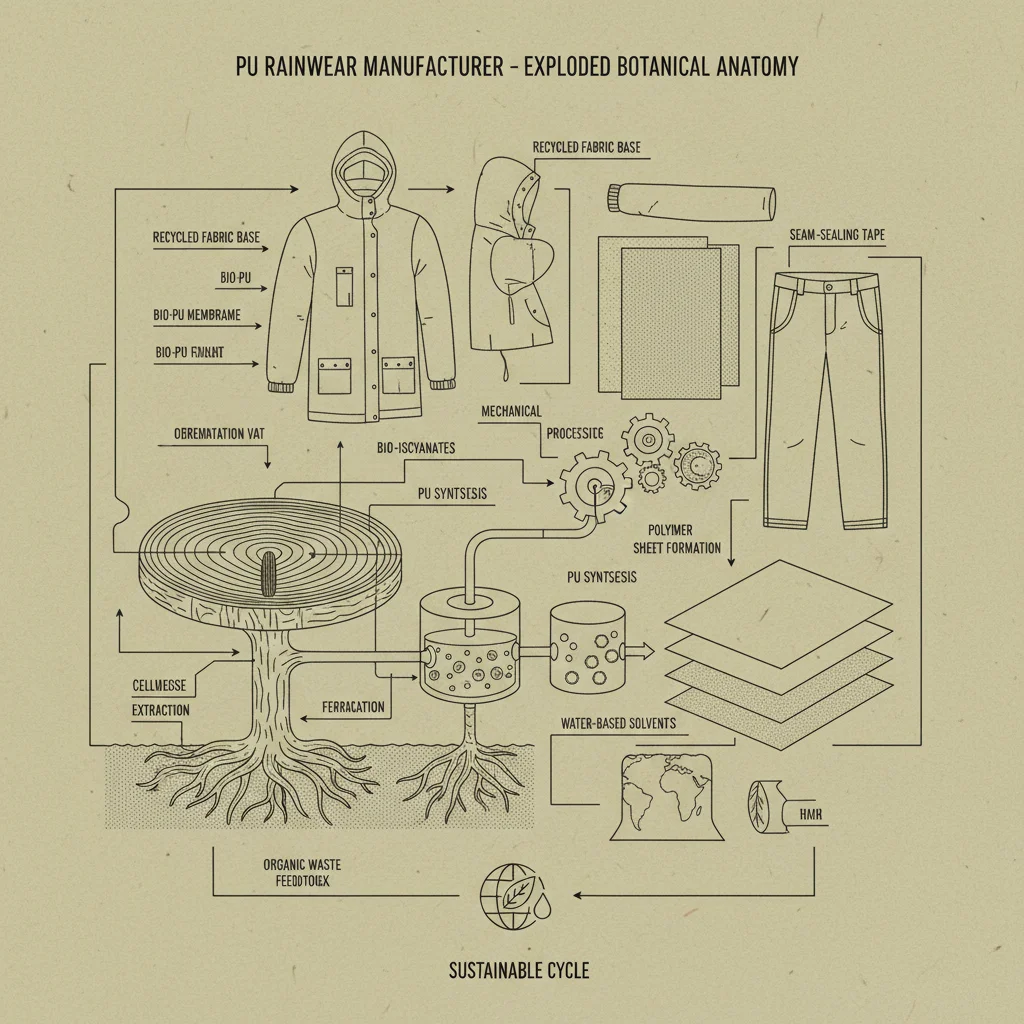
• PU: Waterproof, more breathable than PVC
Robust quality control is essential to ensure consistent product quality. A good rain jacket factory will implement quality checks at every stage of production, from raw material inspection to final product testing. This includes:
Sourcing from rain jacket factories often involves international trade, which comes with its own set of challenges. Understanding import/export regulations, tariffs, and shipping logistics is crucial. Consider working with a sourcing agent or freight forwarder to simplify the process. Clear communication, detailed contracts, and secure payment terms are essential to protect your interests. JJ Puraincoat can assist with navigating these complexities and connecting you with reliable manufacturers.
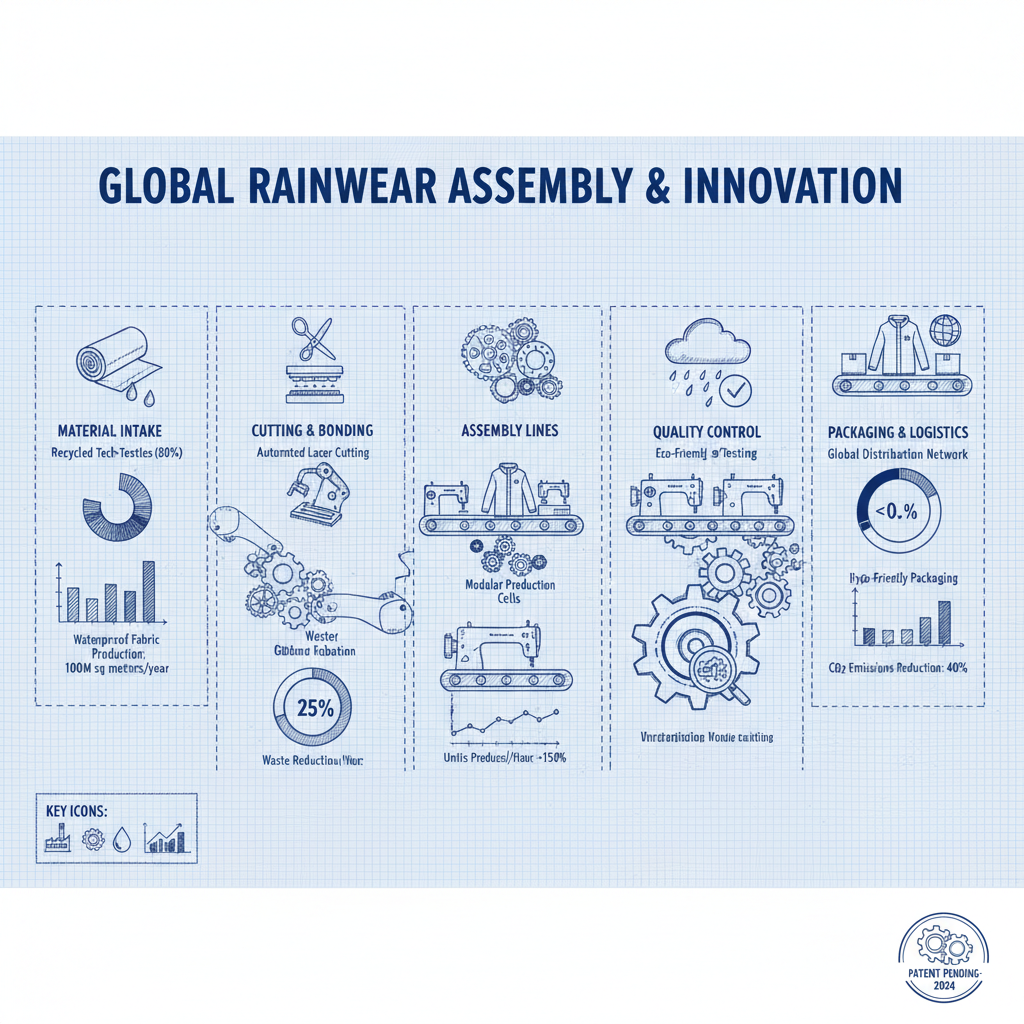
Before finalizing a partnership, ask potential rain jacket factories these critical questions:
Choosing the right rain jacket factory is an investment in the quality and success of your business. By carefully evaluating their capabilities, quality control processes, and ethical practices, you can build a long-term partnership that delivers exceptional products. JJ Puraincoat simplifies this process by connecting you with vetted manufacturers and providing expert guidance.
Lead times vary depending on the complexity of the design, the quantity ordered, and the factory's current workload. Generally, you can expect a lead time of 30-60 days from order confirmation to shipment. It’s crucial to factor in additional time for fabric sourcing and quality control. Communicating your deadlines clearly with the rain jacket factory is essential for ensuring timely delivery.
MOQs vary significantly between factories. Some may have MOQs as low as 300 pieces per style/color, while others may require 1000 or more. Negotiating MOQs is possible, especially for established relationships. Consider a sourcing platform like JJ Puraincoat to find factories that accommodate your order volume.
Requesting factory audits and certifications (e.g., WRAP, BSCI) is crucial. These audits assess working conditions, wages, and compliance with labor laws. Look for factories that prioritize worker safety, fair wages, and reasonable working hours. Transparency and a willingness to provide documentation are positive signs. Partnering with a reputable sourcing agent can also help ensure ethical sourcing.
Hit enter to search or ESC to close