Feb. 6, 2026
Sourcing high-quality rain jackets is crucial for businesses catering to outdoor enthusiasts, industrial workers, or anyone needing reliable weather protection. Choosing the right rain jacket supplier is paramount to ensuring product satisfaction and maintaining a strong brand reputation. This guide provides a detailed overview of key considerations when selecting a supplier, exploring factors like material quality, manufacturing capabilities, and logistical efficiency. We'll delve into what makes a successful partnership with a rain jacket supplier and how to navigate the complexities of international sourcing.
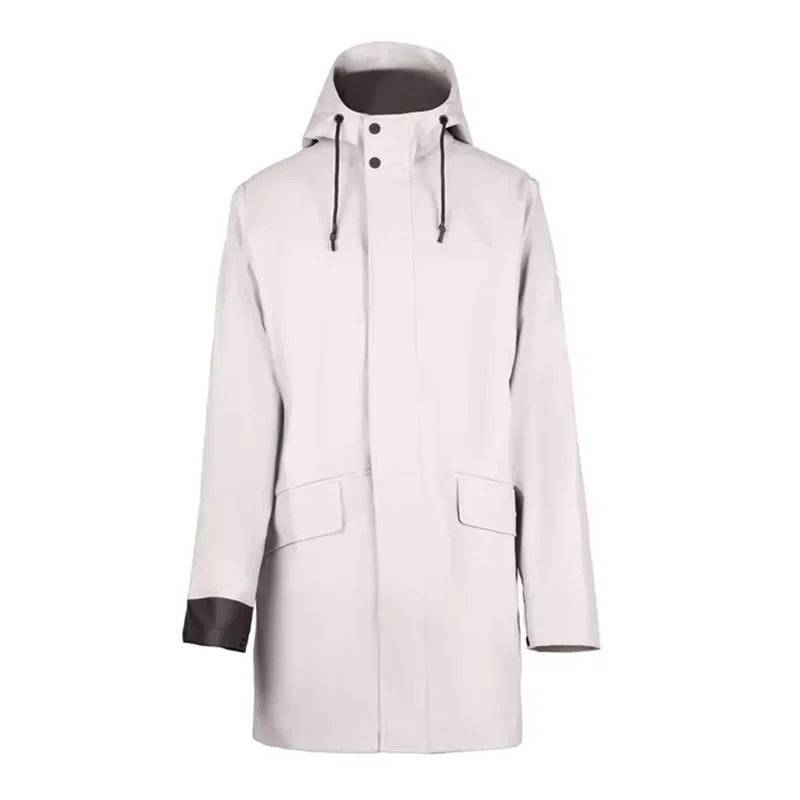
Before settling on a supplier, a thorough evaluation is essential. Consider the types of rain jackets they offer – from lightweight packable designs to heavy-duty waterproof options. Their expertise in different materials (PU, PVC, breathable membranes like Gore-Tex) is also critical. Furthermore, assess their production capacity, quality control processes, and adherence to ethical labor standards. A reliable supplier should be transparent about their manufacturing processes and willing to provide samples for testing. Don’t underestimate the importance of clear communication and a responsive customer service team. A strong rain jacket supplier will proactively address your concerns and offer solutions.
Key Highlights: A reliable supplier prioritizes quality control, ethical manufacturing, and clear communication. Transparent manufacturing processes and sample provision are essential indicators of trustworthiness.
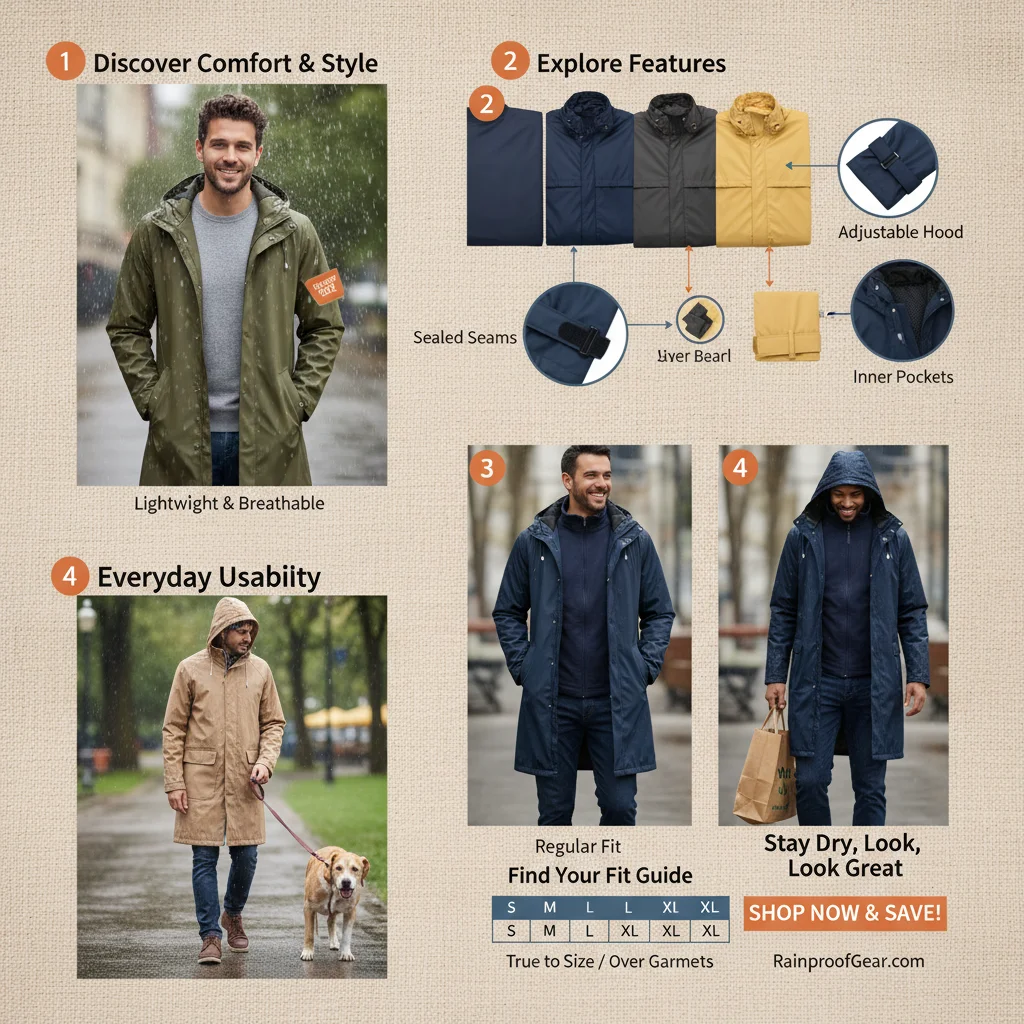
The material used significantly impacts a rain jacket's performance and price point. Polyurethane (PU) is a common choice, offering good waterproofness and flexibility. Polyvinyl Chloride (PVC) is more durable and cost-effective but less breathable. Breathable fabrics like Gore-Tex and other waterproof-breathable membranes offer superior comfort by allowing moisture vapor to escape, preventing overheating. The ideal material depends on the intended use of the rain jacket. For example, a lightweight hiking jacket might prioritize breathability, while a heavy-duty industrial jacket might focus on durability and waterproofness. Working with a supplier who understands these nuances and can recommend the appropriate material is vital.
Material Comparison:
• PU: Good waterproofness, flexibility, moderate price.
• PVC: Highly durable, cost-effective, limited breathability.
• Breathable Fabrics: Superior comfort, moisture management, higher price.
Selecting a supplier requires a detailed comparison. Factors such as minimum order quantities (MOQs), lead times, pricing, and payment terms all play a role. Some suppliers specialize in specific jacket styles or materials, while others offer a broader range. Considering suppliers based in different regions (e.g., China, Vietnam, Bangladesh) can also impact costs and logistics. It’s important to obtain quotes from multiple suppliers and carefully evaluate their offerings. A reputable rain jacket supplier will be transparent about all costs and willing to negotiate favorable terms.
Effective logistics and stringent quality control are essential for a successful partnership. Discuss shipping options, import/export regulations, and potential customs delays with your supplier. Request a detailed quality control process, including inspections at various stages of production. Consider using a third-party inspection service for added assurance. Clear communication throughout the entire process, from order placement to delivery, is crucial to prevent misunderstandings and resolve any issues promptly. A well-managed supply chain minimizes risks and ensures timely delivery of high-quality rain jackets.
Precise product specifications are critical to avoid errors and ensure customer satisfaction. Clearly communicate details such as desired fabric weight, waterproof rating, breathability level, seam sealing type, color options, size ranges, and any specific design features. Provide detailed technical drawings and samples whenever possible. The more detailed your specifications, the more likely you are to receive a product that meets your exact requirements. Working with a rain jacket supplier that can understand and implement your specifications accurately is essential.
Selecting the right rain jacket supplier is a strategic decision that impacts your business's success. By carefully considering material options, comparing supplier capabilities, and prioritizing quality control, you can build a strong and reliable supply chain. Invest time in thorough research and communication to ensure a mutually beneficial partnership. Don't compromise on quality or ethical standards – choose a supplier who shares your values.
Lead times can vary significantly depending on the supplier, order volume, and complexity of the design. Generally, expect lead times of 30-60 days for standard orders. Larger or more customized orders may require longer lead times. It's crucial to discuss lead times upfront and factor them into your planning. Consider potential delays due to shipping or customs clearance, particularly during peak seasons. A proactive supplier will provide realistic timelines and keep you informed of any potential issues.
Common payment terms include a 30% deposit upfront, with the remaining 70% due upon completion of production or before shipment. Letter of Credit (L/C) is another option, particularly for larger orders or first-time collaborations. Negotiating favorable payment terms is important, but it's also essential to ensure the supplier is comfortable with the agreed-upon arrangement. Be wary of suppliers who demand full payment upfront, as this could be a sign of potential risk.
Thorough quality control is paramount. Request samples before placing a large order and inspect them carefully for defects. Discuss a detailed quality control process with your supplier, including inspections at various stages of production. Consider hiring a third-party inspection service for independent verification. Establish clear quality standards and communicate them to the supplier. Address any quality concerns promptly and work with the supplier to find a resolution.
Ethical and environmental responsibility are increasingly important considerations. Look for suppliers who adhere to fair labor standards, provide safe working conditions, and minimize their environmental impact. Ask about their certifications (e.g., WRAP, BSCI) and their commitment to sustainable practices. Transparency and traceability are key indicators of a responsible supplier. Consider choosing suppliers who use eco-friendly materials and manufacturing processes.
Hit enter to search or ESC to close