Oct. 22, 2026

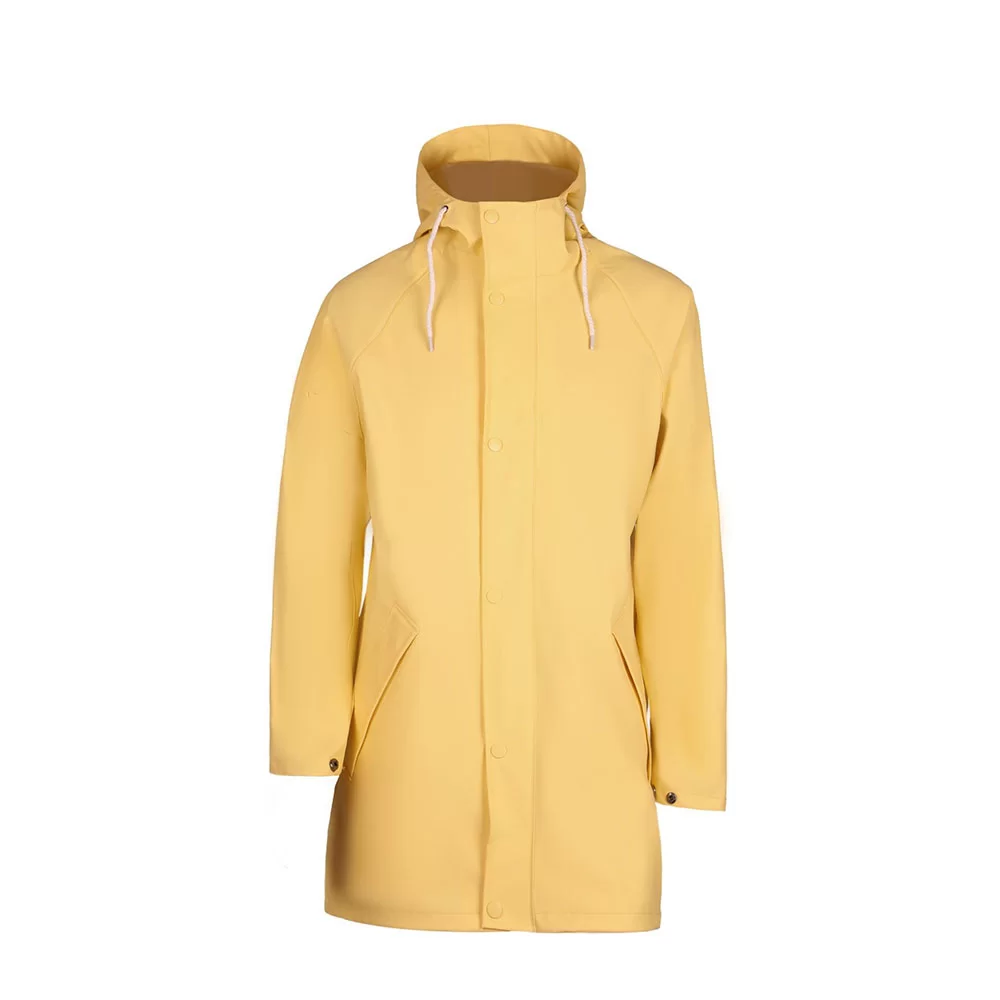
Total landed cost evaluation remains a critical responsibility for apparel sourcing managers balancing material durability against manufacturing expenses. Procurement decisions for junior PU rainwear frequently focus on multi-color size runs from 12-18Mths to 5-6Yrs, requiring a thorough breakdown of unit economics and operational overheads.
Analyzing individual cost drivers prevents unforeseen budget overruns during seasonal inventory planning. Comprehensive financial models incorporate fabric compositions, minimum order quantities, and transit timelines to determine true cost-efficiency.
Purchasing directors analyzing junior apparel portfolios must assess the 800 pieces per colorway minimum order quantity requirement as the primary determinant of initial capital expenditure. Sourcing managers balancing inventory turnover against production thresholds often find that this volume threshold dictates the financial exposure for each distinct visual variant across the required size distribution. Careful demand forecasting prevents excess stock accumulation in slower-moving size brackets.
Inventory holding costs scale directly with the distribution of production volumes across the specified sizing spectrum. Warehousing expenses and tied-up working capital increase when purchase orders concentrate heavily on marginal sizing brackets rather than core demand clusters. Purchasing directors evaluate these carrying expenses against volume-tiered pricing models to determine the optimal batch distribution for scheduled deliveries.

Working capital optimization depends on disciplined allocation strategies across multiple colorways within the production run. Importing organizations mitigate cash flow stagnation by staggering delivery schedules rather than committing the entire volume to a single shipment. Sourcing directors coordinate colorway distribution to align with regional retail demand patterns, ensuring that minimum production thresholds are met without overloading warehouse capacity.
Financial exposure remains closely tied to the specific ratio of sizes ordered within each color batch. Purchasing teams evaluate historical sales velocity to determine the proportion of units allocated between extreme sizing brackets. Operational efficiency improves when inventory staging reflects actual market consumption rates rather than uniform distribution across all size variants.
Unit cost efficiency for waterproof outerwear depends heavily on the primary substrate composition, which features 100% polyester knitted fabric combined with 100% polyurethane coating at 190-200gsm. This specific areal density establishes the baseline mechanical strength and barrier performance required for active junior wear without generating excessive material waste during cutting operations.
When procurement teams evaluate exterior shell expenses, balancing fabric weight against barrier durability prevents premature surface degradation during frequent laundering cycles. The textile construction relies strictly on the designated polymer and polyester ratio to maintain consistent weather-shielding properties across bulk production runs.
Sourcing expenditures expand beyond the outer shell when incorporating the 100% cotton single jersey lining, which actively manages internal moisture absorption against the wearer's skin. Unlined alternatives often fail to provide adequate comfort during high-activity periods, resulting in wearer dissatisfaction and higher return rates for retail brand partners.
Integrating a dedicated interior knit layer increases upfront material costs compared to single-layer synthetic options, yet it secures better long-term product performance. Wholesale buyers weigh this interior comfort factor against total manufacturing overheads when vetting multi-component garment quotations.
Design variation within production batches is achieved by incorporating 100% cotton stripe jersey accents, adding aesthetic value without introducing unlisted fabric types that could complicate customs classification. These secondary textile inserts must be factored into the overall material bill of materials to prevent unexpected component surcharge variances.

Procurement directors analyze how these localized fabric variations influence per-unit fabrication labor and accessory attachment fees across multi-color sizing schedules. Maintaining strict adherence to the approved material parameters ensures that final delivered goods align with initial cost projections.
Alternative single-layer synthetic options fail to match the integrated moisture barriers provided by multi-component assemblies. Total landed cost calculations must account for the distinct unit economics of each raw input rather than relying on aggregated estimates.
Procurement teams comparing unlined alternatives against multi-component assemblies evaluate how internal textile layers influence long-term garment durability. Sourcing managers assess material input expenses against volume tiers to map out comprehensive financial requirements.

| material | size | moq | lead_time | certification |
|---|---|---|---|---|
| 100% polyester knitted fabric with 100% polyurethane coating, 190-200gsm | 12-18Mths/5-6Yrs | 800pcs/color | 30-90 days | Oeko-Tex 100 |
| 100% cotton single jersey | 12-18Mths/5-6Yrs | 800pcs/color | 30-90 days | Oeko-Tex 100 |
| 100% polyurethane | 12-18Mths/5-6Yrs | 800pcs/color | 30-90 days | Oeko-Tex 100 |
| 100% cotton stripe jersey | 12-18Mths/5-6Yrs | 800pcs/color | 30-90 days | Oeko-Tex 100 |
The 100% polyurethane component provides primary external waterproofing properties for the garment exterior. Internal moisture absorption is managed by integrating separate interior textiles within the construction.
Visual differentiation relies on specific textile patterns while purchasing directors analyze secondary lining integration practices to map out total landed cost variables effectively.
Production cycles span 30 to 90 days after firm order placement, establishing the baseline timeline for inventory staging. Importing organizations coordinate shipment releases well ahead of peak consumer foot traffic to prevent dock delays from disrupting regional distribution.
Autumn merchandise distribution requires early purchase order authorization during the preceding quarters. Factory workflows are scheduled to accommodate high-volume autumn replenishments before shipping lanes experience end-of-year congestion.
Spring inventory arrivals follow a parallel manufacturing pacing model. Container stuffing schedules align with post-factory inspection milestones to maintain predictable transit intervals across international routes.
Cash flow allocation depends on milestone deposit structures agreed upon prior to factory loading. Financial controllers distribute working capital across progressive payment stages to preserve liquidity throughout the manufacturing window.
Currency hedging strategies are often deployed alongside milestone payments to mitigate foreign exchange exposure during extended lead time intervals.
Oeko-Tex 100 verification status acts as a baseline administrative metric when importing junior outerwear into heavily regulated commercial sectors. Procurement teams reviewing documentation packages need to contact the supplier to obtain Oeko-Tex 100 documentation files that confirm the safety parameters of the garment components, provided that the request aligns with active production runs.
Availability of these verification records depends on the specific production batch and final colorway distribution requested in the purchase order. Importing organizations rely on timely access to these certificates to satisfy initial import audits without triggering exhaustive laboratory testing cycles at the port of entry.
Managing third-party verification practices effectively prevents unexpected customs delays and minimizes auxiliary testing expenses during the clearance phase. Shipments backed by established Oeko-Tex 100 documentation typically experience reduced scrutiny from commercial import inspectors.
Operating budgets benefit directly when redundant laboratory assays are avoided through pre-established compliance frameworks. Sourcing managers evaluate these testing mitigation procedures to ensure that seasonal delivery schedules for autumn and spring retail rollouts remain unaffected by administrative bottlenecks at customs checkpoints.
Procurement directors calculate landed expenditures by multiplying unit factory quotes across colorway minimums while factoring in transit schedules. Working capital allocation depends on whether manufacturing timelines align with regional autumn and spring retail distribution peaks.
Garments built with bonded textile layers eliminate secondary thermal clothing purchases, protecting brand reputation from premature wear issues. Initial wholesale savings on untreated alternatives frequently evaporate when retail customers experience discomfort.
By reviewing Oeko-Tex 100 documentation options upfront, importers mitigate unexpected port-of-entry verification friction that disrupts tight inventory turnover cycles. Comprehensive expenditure reviews ultimately confirm that integrated textile specifications deliver superior lifecycle value for commercial wholesale portfolios.
The ordering requirement is set at 800 pieces per specific color, which directly dictates the initial financial commitment required for multi-color retail rollouts. Sourcing directors managing sizes from 12-18Mths to 5-6Yrs must distribute this volume across the complete size run to prevent dead stock in extreme sizing brackets. Working capital allocation depends heavily on whether these units are split across multiple visual variants or concentrated in core demand clusters.
Total landed expenses are driven by the combination of 100% polyester knitted fabric with 100% polyurethane coating at 190-200gsm for the outer layer. Inside the garment, a 100% single jersey lining made of 100% cotton manages internal moisture absorption without requiring unlined shell compromises. Additional design features incorporate 100% cotton stripe jersey accents, creating a multi-component assembly that shifts material input costs above single-layer synthetic alternatives.
Manufacturing schedules range from 30 to 90 days following firm order placement, shaping the timing of cash flow disbursements for autumn and spring inventory arrivals. Importing organizations mitigate cash flow stagnation by aligning delivery schedules with regional sales velocity rather than committing the entire batch to a single shipment. Working capital planning must account for this transit window to ensure warehouse capacity matches arriving stock.
Oeko-Tex 100 verification is available for this product line, providing the foundational records needed for import compliance reviews. Maintaining these documentation files during customs clearance helps mitigate port-of-entry testing delays and third-party verification expenses. The extent of administrative overhead depends on destination port regulations and the specific documentation version provided by the manufacturer.
Choosing an integrated interior over unlined synthetic shells shifts the initial manufacturing expense while improving wearer comfort and moisture management. While single-layer options present lower upfront unit prices, they often lack the internal moisture control provided by the 100% cotton single jersey components. Procurement teams evaluate this trade-off against potential downstream return rates and brand positioning requirements.
Authorized buyers finalising purchasing agreements for waterproof garments can contact the supplier to obtain Oeko-Tex 100 documentation files. Reviewing these verification records prior to contract execution helps importing organizations mitigate regulatory friction at destination ports.
Confirming specific colorway minimum order quantities prevents discrepancies between projected budget lines and final factory invoices. Importers evaluating multi-color size distribution across available sizing brackets coordinate batch quantities to align with regional demand patterns and working capital limits.

Hit enter to search or ESC to close