Jul. 1, 2026
When the clouds gather and the downpour begins, having a reliable piece of outerwear is not just about fashion—it is about functionality and safety. The mens yellow rain slicker remains an iconic choice for those who demand high visibility and absolute waterproof protection. From commercial fishing and construction sites to urban commuting, this classic garment provides a critical barrier against the elements. In this comprehensive guide, we will explore the technical specifications, material advantages, and essential features that make a high-quality rain slicker an indispensable tool for any wardrobe. Whether you are battling a coastal storm or a sudden city shower, choosing the right gear ensures you stay dry and focused.

The preference for yellow in rainwear is not coincidental; it is rooted in safety and visibility. In heavy rain or fog, visibility drops significantly, making high-contrast colors essential for preventing accidents. A professional mens yellow rain slicker ensures that the wearer is easily spotted by vehicle operators and colleagues. Beyond the color, the "slicker" design emphasizes a smooth, non-porous surface that allows water to bead and roll off instantly. This prevents the fabric from becoming waterlogged, which would otherwise increase the weight of the garment and lead to rapid body heat loss. For professionals in the textile and apparel industry, the balance between material density and breathability is what separates a basic raincoat from a professional-grade slicker.
Pro Tip: Always look for heat-sealed seams in your rain gear. While the fabric may be waterproof, the stitching is often where leaks occur. Sealed seams ensure 100% moisture protection.
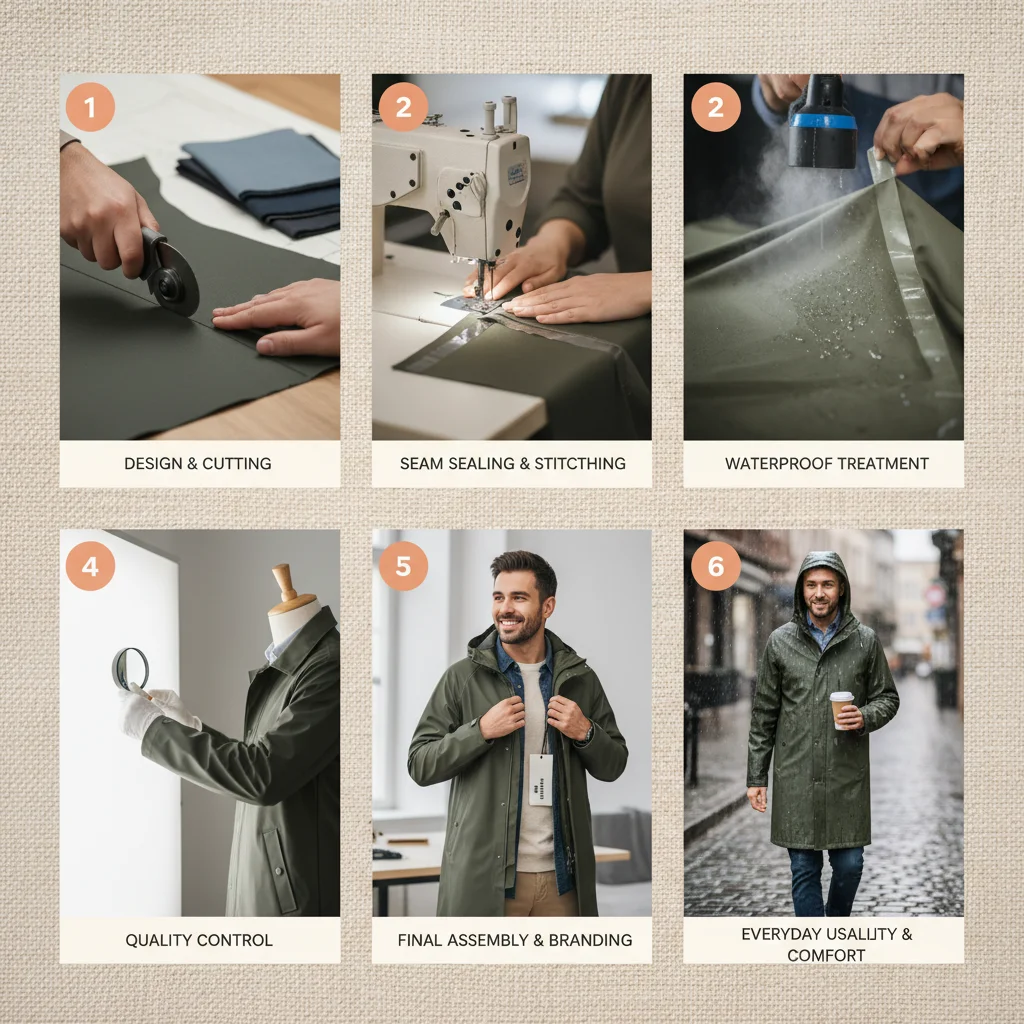
Modern manufacturing has evolved far beyond simple rubberized cloth. Today, the best mens yellow rain slicker options utilize high-performance Polyurethane (PU) coatings or PVC blends. These materials provide a complete waterproof shield while remaining flexible enough for active movement. In the textile industry, the focus has shifted toward PFC-free materials to reduce environmental impact without sacrificing performance. By integrating Oeko-Tex 100 standards, manufacturers ensure that the garments are free from harmful chemicals, making them safe for prolonged skin contact. This commitment to quality ensures that the gear withstands the rigors of heavy-duty use while remaining eco-friendly.
Not all waterproof jackets are created equal. While a standard raincoat might be sufficient for a light drizzle, a dedicated slicker is engineered for extreme conditions. The primary difference lies in the material thickness and the construction of the closures. Standard coats often rely on simple zippers, whereas a professional mens yellow rain slicker typically features storm flaps and adjustable snaps to prevent wind-driven rain from penetrating the front opening. The following comparison highlights why professional gear is the superior choice for demanding environments.
To achieve maximum protection, several design elements must work in harmony. A high-quality mens yellow rain slicker features an oversized hood with adjustable drawstrings to protect the face from wind and rain. Adjustable cuffs are equally important, allowing the user to seal the wrists and prevent water from running down the arms. Furthermore, the integration of large, reinforced pockets provides secure storage for essential tools or personal items. The cut of the garment is typically generous, allowing for layering with fleece or thermal wear during colder months, ensuring that the wearer remains warm while staying dry.

For procurement managers and businesses, understanding the technical parameters is key to ensuring product longevity. A premium mens yellow rain slicker is evaluated based on its coating weight, fabric composition, and certification. The following specifications represent the industry benchmark for high-performance waterproof outerwear designed for heavy-duty industrial use.
Investing in a professional mens yellow rain slicker is an investment in safety and durability. By combining high-visibility colors with advanced PU coatings and ergonomic designs, these garments provide unmatched protection against the most severe weather conditions. For businesses and individuals alike, choosing gear that meets Oeko-Tex standards and features sealed seams ensures long-term performance and wearer comfort. Stay dry, stay visible, and stay safe with the right industrial-grade rainwear.
To maintain the waterproof integrity of your slicker, avoid using harsh detergents or bleach, which can break down the PU coating. Instead, wipe the garment with a damp cloth and mild soap for surface dirt. If a deep clean is necessary, use a gentle cycle with cold water and air dry. Never put a professional rain slicker in a tumble dryer, as high heat can melt or crack the waterproof coating. Regularly checking the seams and applying a waterproof sealant to any worn areas can significantly extend the life of your gear.
While it has become a stylistic icon, the yellow color is primarily a safety feature. Yellow is one of the most visible colors in low-light, rainy, or foggy conditions. In industrial environments such as maritime work, construction, or roadside assistance, this high visibility is critical for preventing accidents. A mens yellow rain slicker ensures that the wearer remains seen by others, providing an essential layer of safety that darker colors cannot offer.
Yes, professional manufacturers offer extensive OEM and ODM services for corporate rainwear. Company logos can be applied using screen printing or transfer printing, which are designed to adhere to the waterproof surface without peeling. Customization allows businesses to maintain a professional brand image while providing their employees with high-quality safety gear. You can find various customization options and bulk ordering details on the JJPU Raincoat website.
PU (Polyurethane) coatings are generally more breathable, flexible, and durable than PVC (Polyvinyl Chloride). PU is often preferred for garments that require more movement and comfort over long periods. PVC is extremely waterproof and often more cost-effective, but it can be stiffer and less breathable. High-end rain slickers often use a PU coating on a polyester base to combine the strength of the fabric with the absolute waterproofing of the coating, offering the best of both worlds for the user.
Hit enter to search or ESC to close