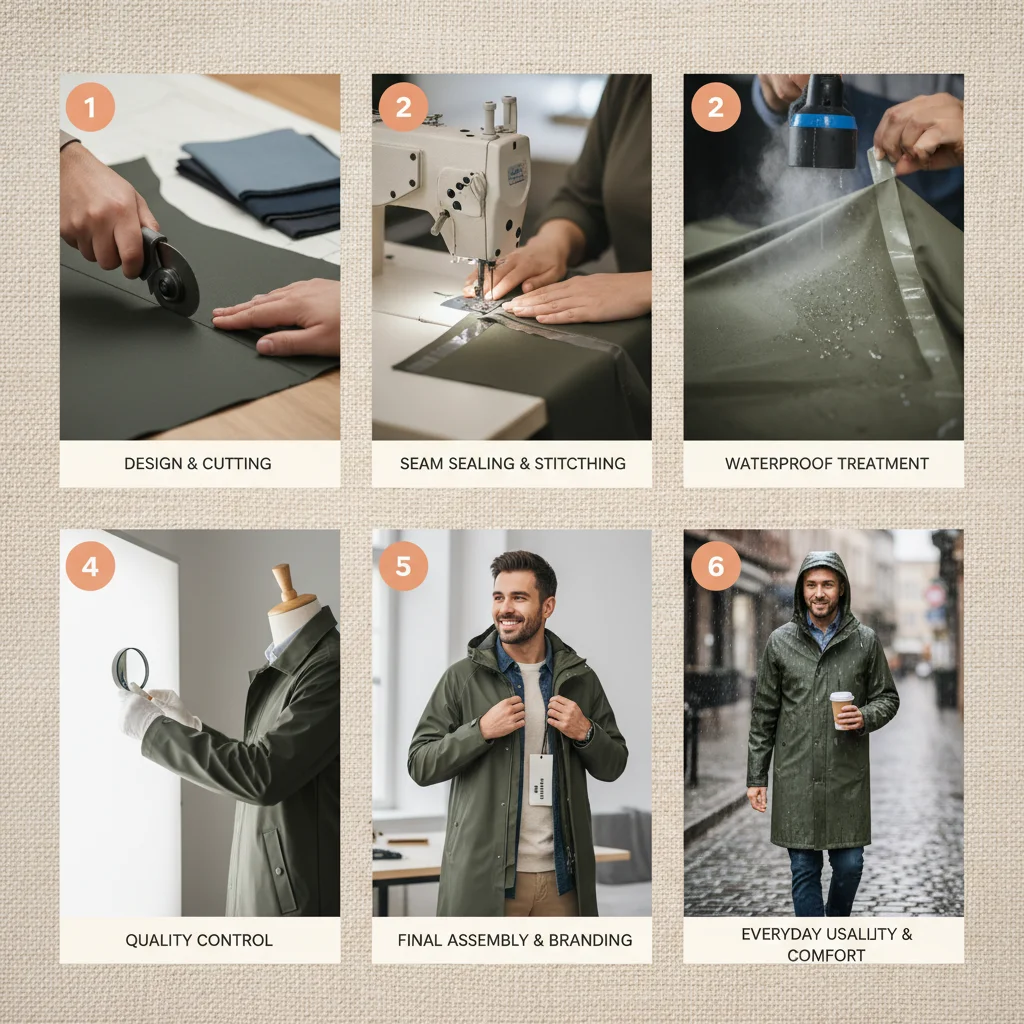
The global need for reliable protection against inclement weather drives significant demand for rain ponchos, making the role of a dependable rain poncho supplier crucial. From disaster relief efforts to outdoor recreational activities and industrial work environments, these simple yet essential garments provide a vital layer of defense against the elements. Understanding the nuances of sourcing high-quality rain ponchos is paramount for organizations and individuals alike, ensuring both effectiveness and durability.
The importance of a robust rain poncho supplier extends beyond merely providing waterproof coverings. It encompasses logistical efficiency, responsible sourcing, and the ability to meet diverse needs – whether supplying single units for personal use or bulk orders for large-scale deployments. Factors like material quality, manufacturing standards, and timely delivery are all integral components of a successful supply chain.
In a world increasingly impacted by climate change and unpredictable weather patterns, the role of a reliable rain poncho supplier is only set to grow. Organizations across humanitarian, commercial, and governmental sectors rely on these suppliers to equip individuals and communities with the necessary tools to stay safe and dry in challenging conditions.
Defining the Role of a Rain Poncho Supplier
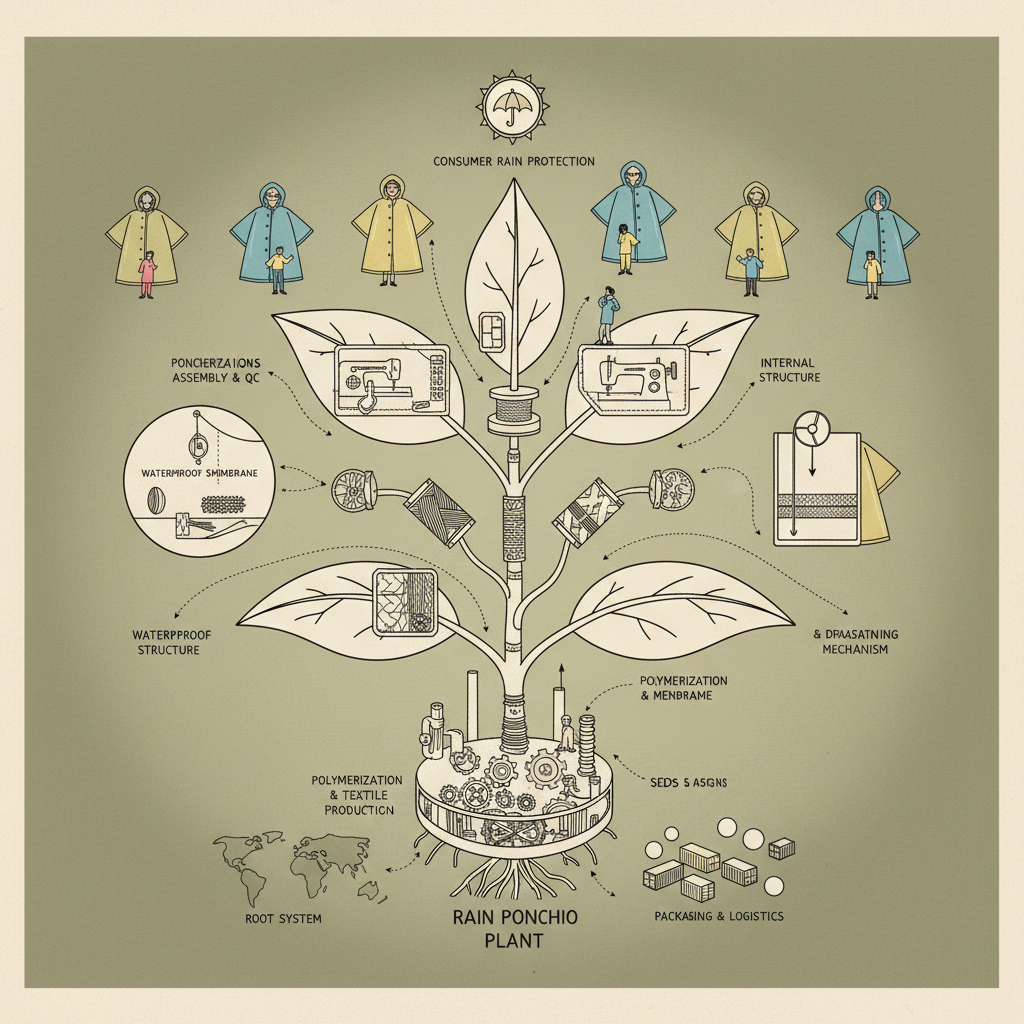
A rain poncho supplier isn't simply a distributor of waterproof clothing; it’s a critical link in a chain that delivers protection and safety. They manage the entire process, from sourcing raw materials and manufacturing to quality control, warehousing, and timely delivery. A comprehensive supplier understands the specific needs of different customer segments and offers tailored solutions.
The best suppliers emphasize sustainability and ethical manufacturing practices, ensuring fair labor standards and minimizing environmental impact. They also provide excellent customer service, offering support with product selection, order management, and after-sales assistance.
Global Context and Market Demand
The global rain poncho market is driven by several key factors, including increasing frequency of extreme weather events, rising outdoor recreational activities, and demand from industries like agriculture, construction, and emergency services. According to recent reports, the market is experiencing steady growth, particularly in regions prone to heavy rainfall and monsoons, such as Southeast Asia and South America.
The United Nations and various humanitarian organizations rely heavily on rain poncho suppliers for disaster relief operations, providing essential protection to affected populations. The need for quick and efficient deployment of ponchos in emergency situations underscores the importance of suppliers with robust logistical capabilities and inventory management systems.
Furthermore, the growing awareness of personal safety and health, coupled with an increasing emphasis on preparedness for natural disasters, is further fueling demand. The market is becoming increasingly competitive, with suppliers constantly striving to offer innovative features and improved quality.
Essential Attributes of a Quality Supplier
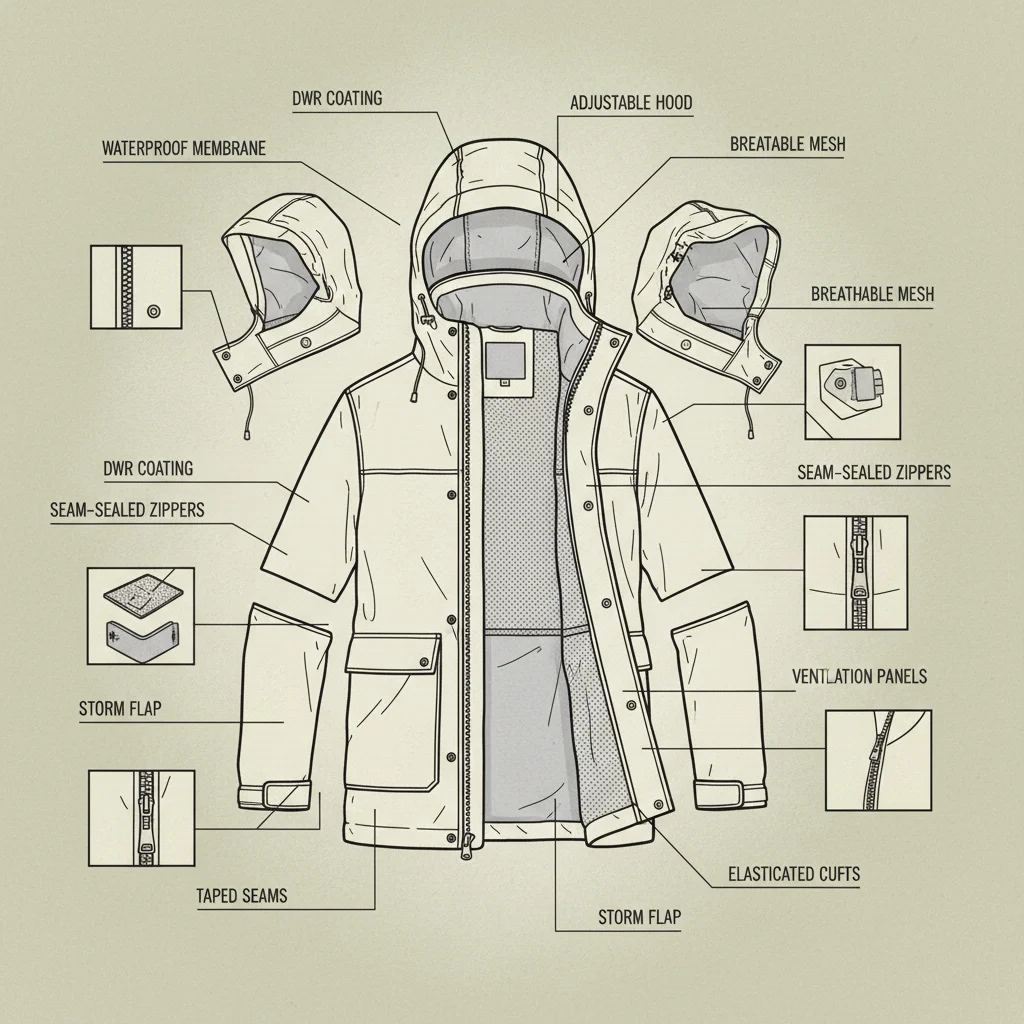
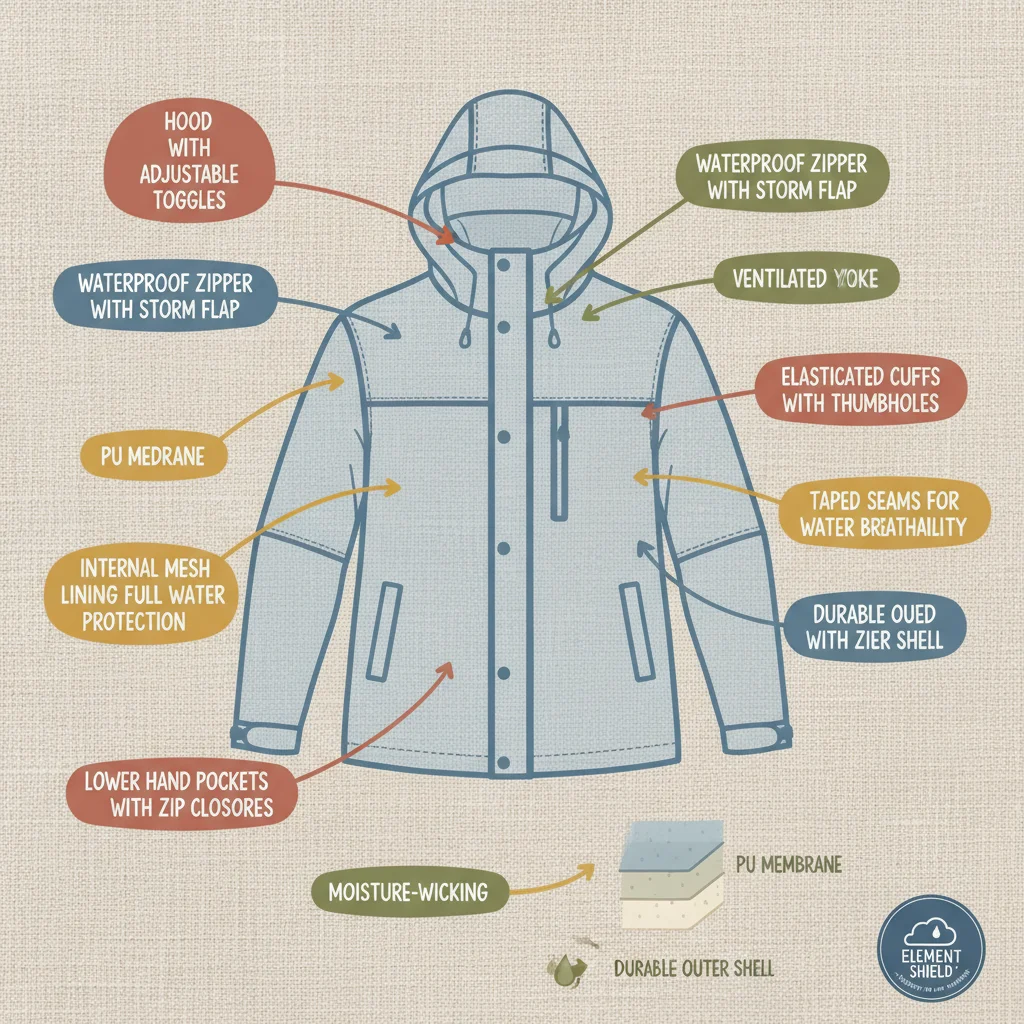
When selecting a rain poncho supplier, several key attributes should be considered. First and foremost is product quality – the ponchos must be durable, waterproof, and capable of withstanding harsh conditions. Material composition, stitching strength, and overall construction are critical factors to evaluate.
Beyond quality, a reliable supplier will offer a wide range of options to meet diverse needs, including different sizes, colors, materials (PVC, PE, etc.), and features (hooded, drawstring, etc.). They should also be able to accommodate both small and large orders, with flexible lead times and competitive pricing.
A commitment to ethical and sustainable practices is increasingly important. Suppliers should adhere to fair labor standards, minimize their environmental footprint, and offer transparent supply chain information. Finally, excellent communication and customer service are essential for building a strong and lasting partnership.
Key Performance Indicators for Rain Poncho Suppliers
Assessing a rain poncho supplier's performance requires evaluating several key metrics. On-time delivery rate is crucial, especially for emergency situations where delays can have serious consequences. Product quality, measured through inspection and testing, is another vital indicator.
Supplier responsiveness – the speed and efficiency with which they address inquiries and resolve issues – is also important. Cost-effectiveness, encompassing both unit price and overall value (quality, reliability, service), should be carefully considered.
Supplier Performance Ratings
Applications Across Diverse Sectors
Rain poncho suppliers serve a broad range of industries and organizations. In disaster relief, they provide critical protection to displaced populations and aid workers. Agricultural workers rely on ponchos to stay dry and productive during inclement weather.
Construction sites utilize ponchos to protect workers from rain and mud. Outdoor event organizers often provide ponchos to attendees, enhancing their experience. The tourism industry also benefits from a consistent supply of quality ponchos for visitors.
Benefits of Partnering with a Leading Supplier
Collaborating with a leading rain poncho supplier unlocks a multitude of benefits. Access to high-quality products ensures reliable protection and durability. Competitive pricing can significantly reduce procurement costs.
Streamlined logistics and efficient delivery minimize lead times and ensure timely availability. Dedicated customer support provides valuable assistance with product selection and order management. Finally, a strong partnership can foster innovation and drive continuous improvement.
Ultimately, choosing the right supplier translates to greater peace of mind, knowing that you are equipped to handle any weather challenge.
Future Trends and Innovation in Rain Poncho Supply
The future of rain poncho supply is poised for innovation. Sustainable materials, such as recycled plastics and biodegradable fabrics, are gaining prominence, addressing environmental concerns. Advanced waterproofing technologies are enhancing the performance and comfort of ponchos.
Digitalization of the supply chain, through the use of data analytics and real-time tracking, is improving efficiency and transparency. Customization options, allowing for branded ponchos and tailored designs, are becoming increasingly popular.
We can anticipate a growing demand for smart ponchos equipped with features like integrated lighting, reflective strips, and even solar charging capabilities.
Summary of Key Supplier Evaluation Criteria
| Product Quality | Pricing Competitiveness | Logistical Efficiency | Sustainability Practices |
|---|
| Material durability and waterproof rating. | Unit cost per poncho and volume discounts. | On-time delivery rate and shipping costs. | Use of recycled materials and ethical manufacturing. |
| Stitching strength and overall construction. | Payment terms and financing options. | Order tracking and inventory management. | Waste reduction and carbon footprint. |
| Compliance with relevant safety standards. | Minimum order quantity requirements. | Responsiveness to urgent requests. | Certifications and accreditations. |
| Warranty coverage and return policies. | Total cost of ownership (including shipping). | Flexibility in accommodating custom orders. | Transparency in the supply chain. |
| Testing reports and quality assurance documentation. | Currency exchange rate fluctuations. | Capacity to handle large-scale orders. | Commitment to continuous improvement. |
| Customer feedback and ratings. | Long-term pricing stability. | Proactive communication and problem-solving. | Adherence to ethical labor practices. |
FAQS
Rain ponchos are commonly made from PVC (Polyvinyl Chloride), PE (Polyethylene), or nylon. PVC is durable and waterproof but less eco-friendly. PE is lightweight and cost-effective but less resistant to tearing. Nylon offers good balance of durability and weight, and can be coated for water resistance. The best material depends on the intended use and budget.
Look for ponchos with a high waterproof rating, measured in millimeters (mm). A rating of 2000mm or higher is generally considered waterproof for moderate rain. Check for taped seams, which prevent water from seeping through the stitching. Consider requesting samples for testing before placing a bulk order.
MOQs vary significantly between rain poncho suppliers. Generally, custom branding (logo printing) requires a higher MOQ, typically ranging from 500 to 1000 units. However, some suppliers may offer lower MOQs for simpler branding options like single-color printing.
Lead times depend on the supplier’s production capacity, order volume, and shipping destination. Typically, it takes 4-8 weeks for a bulk order to be produced and delivered. Expedited shipping options may be available at an additional cost.
Yes, we are increasingly offering rain ponchos made from sustainable materials such as biodegradable plastics and recycled materials. These options are ideal for organizations committed to environmental responsibility and can often be priced competitively.
We implement a rigorous quality control process throughout the production cycle, including raw material inspection, in-process checks, and final product testing. We ensure all ponchos meet specified waterproof standards and are free from defects before shipment. Third-party inspection services are also available upon request.
Conclusion
In conclusion, selecting the right rain poncho supplier is a critical decision with far-reaching implications. From ensuring reliable protection against the elements to supporting sustainable practices and maintaining logistical efficiency, a strong supplier partnership is essential for success. Understanding the key attributes of a quality supplier, assessing their performance indicators, and staying abreast of emerging trends are all vital components of a well-informed sourcing strategy.
Looking ahead, the demand for high-quality, sustainable, and innovative rain ponchos will only continue to grow. By prioritizing ethical sourcing, embracing technological advancements, and fostering strong supplier relationships, organizations can effectively meet this demand and provide essential protection to individuals and communities worldwide. Visit our website at www.jjpuraincoat.com to learn more.