The world experiences varying degrees of rainfall, making a reliable rain jacket a necessity for billions. From daily commutes to adventurous expeditions, and crucially, for emergency preparedness in disaster-prone regions, a quality rain jacket provides essential protection against the elements. The global market for waterproof outerwear is consistently growing, driven by increasing awareness of climate change, fluctuating weather patterns, and a rising demand for outdoor activities. This demand necessitates a deep understanding of what constitutes an effective rain jacket, from material science to design features.
The significance of a well-designed rain jacket extends beyond mere comfort. In many regions, it’s a matter of health and safety, preventing hypothermia and related illnesses. For outdoor workers, from construction crews to agricultural laborers, reliable rain gear is critical for maintaining productivity and well-being. Organizations involved in humanitarian aid frequently rely on distributing durable rain jackets to communities affected by natural disasters. The economic impact is also substantial, with a thriving industry supporting manufacturing, retail, and related services.
Understanding the core elements of a rain jacket—waterproofing, breathability, durability, and fit—is paramount. It's not simply a clothing item; it's a piece of protective equipment, an investment in preparedness, and increasingly, a statement of conscious consumption as consumers seek out sustainable and ethically produced options.
The Global Importance of Rain Jacket
The necessity of a dependable rain jacket is a global issue, not merely a regional concern. According to the United Nations Office for Disaster Risk Reduction, climate-related disasters are increasing in frequency and intensity, displacing millions and causing significant economic losses. A robust rain jacket serves as a crucial component of disaster preparedness kits, protecting individuals from exposure to harsh weather conditions and minimizing the risk of hypothermia. The World Bank estimates that the economic costs of climate change could reach trillions of dollars annually, highlighting the need for preventative measures, including access to reliable protective gear.
Furthermore, the demand for effective rain jackets transcends disaster relief. From mountainous regions experiencing consistent rainfall to coastal areas vulnerable to storms, millions rely on these garments for their daily lives. The outdoor recreation industry, a significant contributor to global economies, similarly depends on quality rain gear to enable safe and enjoyable experiences.
Defining the Rain Jacket
A rain jacket is fundamentally a waterproof or water-resistant garment designed to protect the wearer from rain, snow, and other forms of precipitation. Beyond this basic definition, modern rain jackets often incorporate breathable materials to allow moisture vapor to escape, preventing overheating and enhancing comfort. They can range from simple, lightweight shells to more complex designs with insulated linings and multiple pockets.
The evolution of the rain jacket is closely tied to advancements in materials science. Early rain jackets relied on waxed cotton or rubberized fabrics, offering limited breathability and durability. Today, technologies like Gore-Tex and other waterproof-breathable membranes have revolutionized the industry, providing superior protection and comfort. This innovation has allowed for integration into modern industrial practices where workers require reliable weather protection.
In a broader context, the rain jacket represents a significant contribution to both personal safety and public health. Providing accessible protection against the elements is an essential element in numerous humanitarian programs.
Key Components of a Rain Jacket
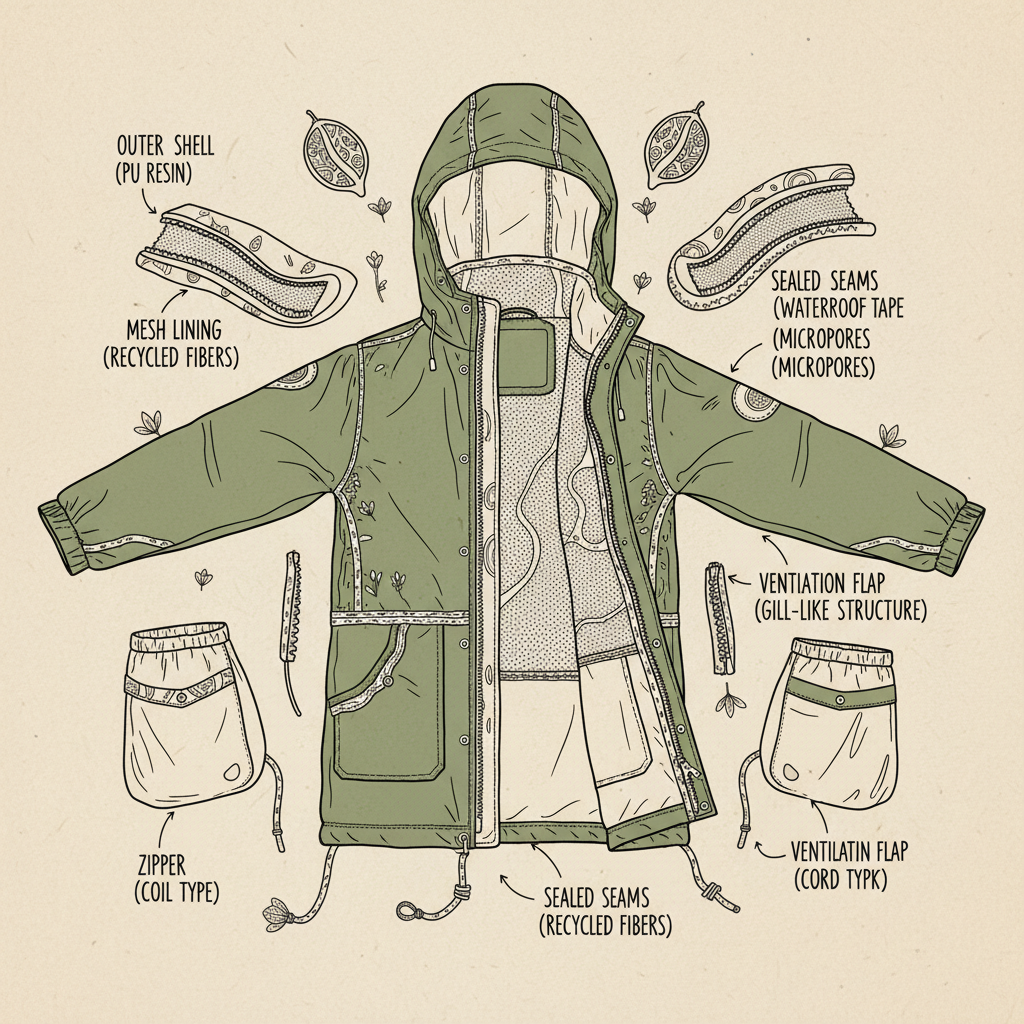
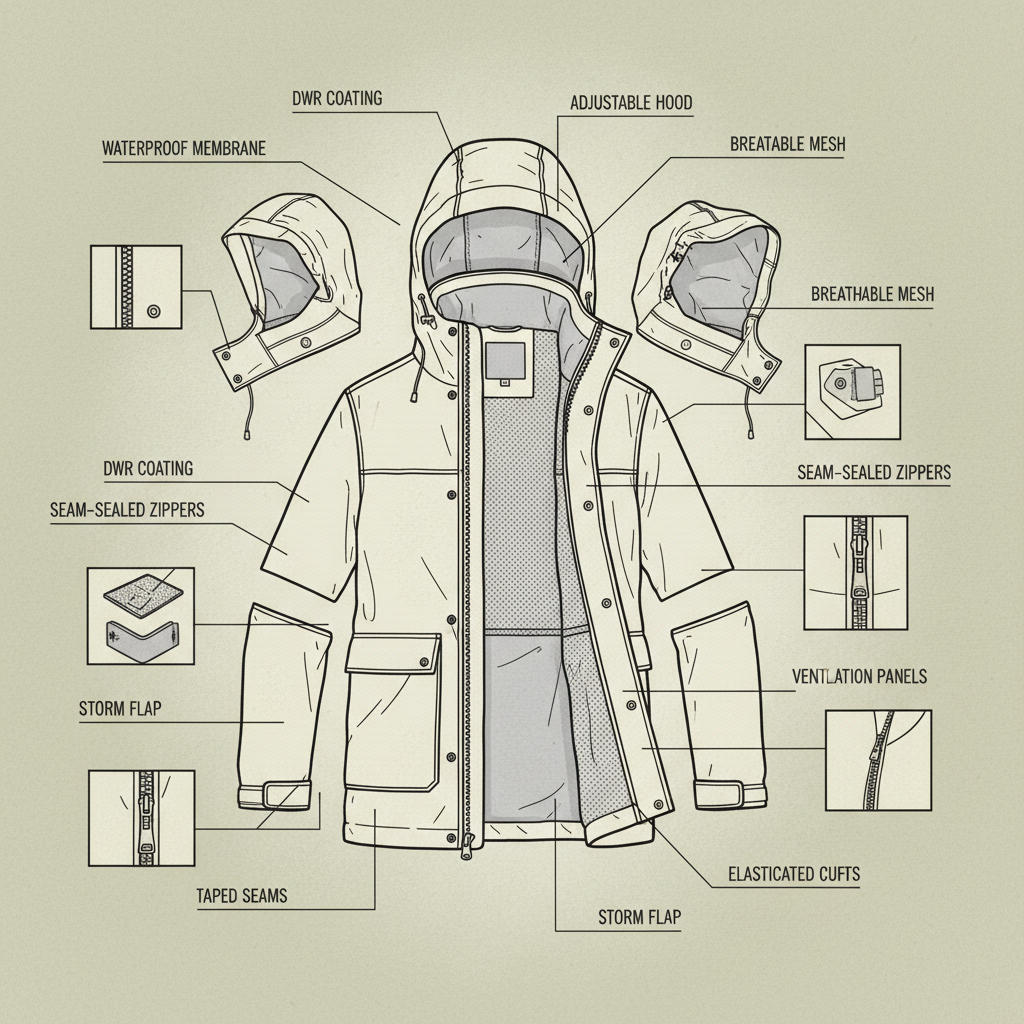
Waterproofing: The ability of the rain jacket to prevent water from penetrating its fabric. This is often achieved through a waterproof membrane or coating, measured in millimeters of water pressure (water column). Higher numbers indicate greater waterproofness.
Breathability: The capacity of the rain jacket to allow moisture vapor (sweat) to escape, preventing condensation buildup inside the garment. Measured in grams of moisture vapor transmission per square meter per 24 hours (MVTR). Higher numbers indicate better breathability.
Durability: The rain jacket’s resistance to abrasion, tearing, and general wear and tear. This is influenced by the fabric’s denier (fiber thickness) and weave construction. Materials like ripstop nylon enhance durability.
Global Applications of Rain Jacket
The applications of a rain jacket are incredibly diverse. In post-disaster relief operations, they are essential for providing immediate protection to displaced populations. Organizations like the Red Cross and Doctors Without Borders routinely distribute rain jackets to communities affected by floods, hurricanes, and other extreme weather events. In remote industrial zones, such as logging camps or oil rigs, workers rely on heavy-duty rain jackets to maintain safety and productivity in challenging conditions.
The agricultural sector also heavily utilizes rain jackets. Farmers and agricultural laborers often work long hours in the field, regardless of the weather. Protective rain gear allows them to continue their work without compromising their health or safety. The tourism industry benefits significantly, offering rain jackets for guided outdoor tours.
Furthermore, in regions with prolonged monsoon seasons, a rain jacket isn’t a luxury but a necessity for everyday life. From school children commuting to class to market vendors conducting their business, reliable rain gear is crucial for maintaining normalcy and economic activity.
Rain Jacket Performance Based on Method
Advantages and Long-Term Value
The benefits of investing in a quality rain jacket extend beyond immediate protection. Cost-effectiveness is a significant advantage; a durable jacket, while potentially more expensive upfront, will last for years, reducing the need for frequent replacements. Sustainability is another key benefit, particularly when choosing jackets made from recycled materials or with environmentally responsible manufacturing processes.
From a social impact perspective, providing access to rain gear in vulnerable communities enhances dignity and improves overall quality of life. Reliable rain protection enables people to continue their daily activities, pursue educational opportunities, and maintain economic stability, even in inclement weather. The improved reliability also fosters trust in organizations providing aid and support.
Future Trends and Innovation
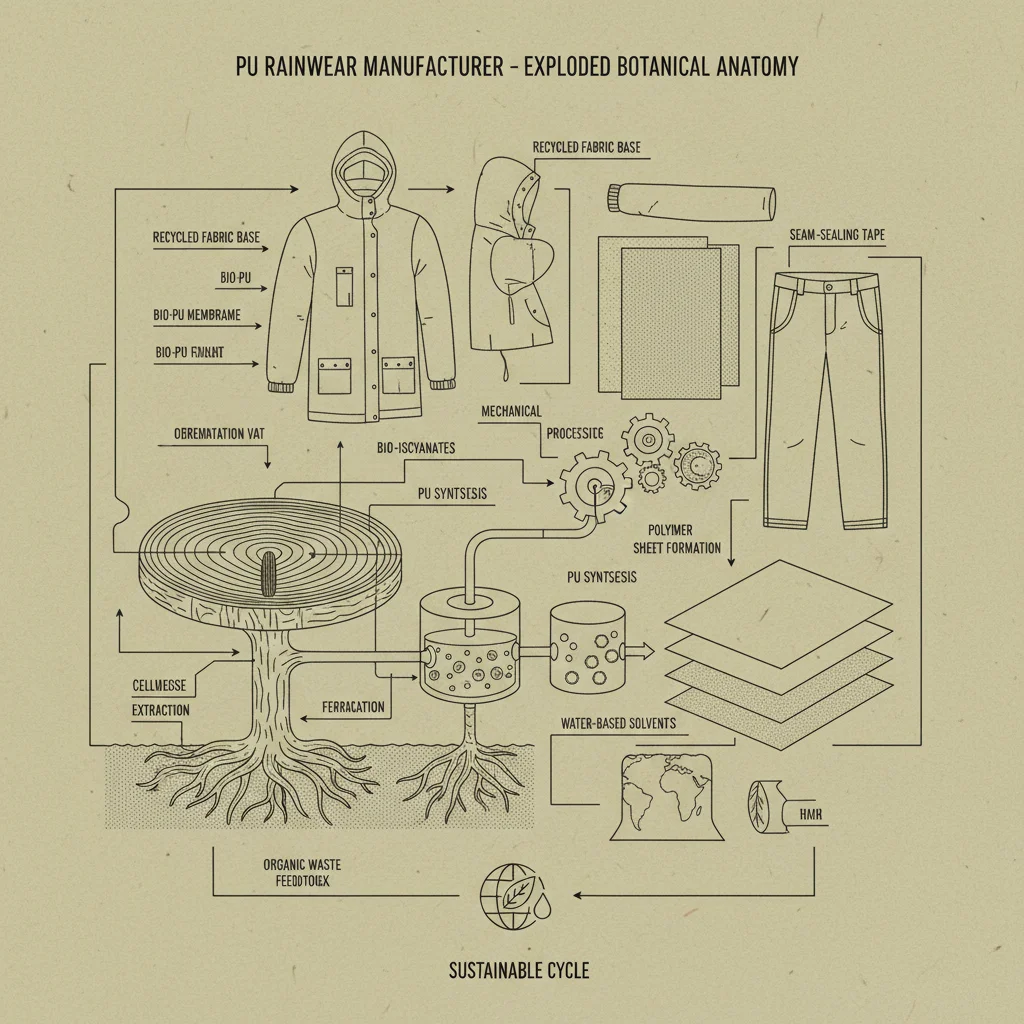
The future of rain jacket technology is focused on sustainability and enhanced performance. The development of bio-based waterproof membranes, derived from renewable resources, is a promising area of research. Similarly, advancements in textile recycling are enabling the creation of rain jackets from reclaimed materials, reducing waste and minimizing environmental impact.
Digital integration is also playing a role, with some manufacturers incorporating smart fabrics and sensors into their jackets to monitor temperature, humidity, and other environmental factors. These technologies can provide valuable data to enhance comfort and safety, particularly for outdoor enthusiasts and professionals.
Further innovation is aimed at creating fully biodegradable waterproof materials, representing a significant leap towards a circular economy in the outdoor apparel industry.
Challenges and Solutions in Rain Jacket Technology
Despite significant advancements, challenges remain in rain jacket technology. Balancing waterproofing and breathability is a constant trade-off; increasing waterproofness often reduces breathability, and vice versa. Finding durable, sustainable materials that meet both performance and environmental standards is another ongoing challenge.
One solution lies in the development of multi-layered fabrics that combine different materials to optimize performance. For example, a waterproof membrane can be paired with a highly breathable inner lining. Another approach is to explore new coating technologies that offer both waterproofing and breathability without compromising durability.
Furthermore, improving the transparency and traceability of supply chains is crucial for ensuring ethical and sustainable sourcing of materials. Investing in research and development of novel materials and manufacturing processes will continue to drive innovation in this field.
Rain Jacket Technology Analysis
| Material Type | Waterproof Rating (mm) | Breathability (MVTR) | Durability Score (1-10) |
|---|
| Polyester with PU Coating | 5,000 | 5,000 | 6 |
| Nylon with DWR Finish | 10,000 | 8,000 | 7 |
| Gore-Tex | 20,000+ | 20,000+ | 9 |
| Recycled Polyester with PFC-Free DWR | 8,000 | 7,000 | 6.5 |
| Bio-Based Waterproof Membrane | 15,000 | 12,000 | 7.5 |
| Ripstop Nylon with TPU Coating | 12,000 | 9,000 | 8 |
FAQS
For everyday use, a waterproof rating of 5,000mm to 10,000mm is generally sufficient. This will protect you from light to moderate rain. For more extreme conditions, such as heavy downpours or prolonged exposure, a higher rating (10,000mm or more) is recommended. Also, consider the breathability to prevent internal condensation buildup, and choosing a quality rain jacket is also important.
Breathability is crucial, especially during activities that generate heat. Without adequate breathability, sweat can accumulate inside the jacket, leading to discomfort and potential hypothermia. Look for jackets with a breathability rating of 5,000g/m²/24h or higher. A rain jacket with both waterproofness and breathability will offer the most comfortable experience.
DWR stands for Durable Water Repellent. It’s a coating applied to the exterior of the fabric that causes water to bead up and roll off, rather than soaking in. DWR doesn't make the jacket waterproof, but it helps to prevent the fabric from becoming saturated, which improves breathability and keeps you drier for longer. It's important to reapply DWR periodically as it wears off over time and a rain jacket is easier to maintain with it.
Follow the manufacturer’s instructions carefully. Typically, this involves washing the jacket with a specialized technical detergent, avoiding fabric softeners and bleach, and tumble drying on low heat to reactivate the DWR coating. Regularly washing your rain jacket will remove dirt and oils that can reduce its performance.
No, not all waterproof jackets are breathable. Some cheaper jackets use a waterproof coating that doesn’t allow moisture vapor to escape. These jackets can feel clammy and uncomfortable. Look for jackets with a waterproof-breathable membrane, like Gore-Tex or similar, to ensure both protection from the rain and comfort during activity. Choosing the right rain jacket is crucial for staying comfortable.
A 2-layer jacket typically consists of a face fabric, a waterproof-breathable membrane, and a mesh lining. A 3-layer jacket bonds the membrane directly to the face fabric, eliminating the need for a separate lining. This results in a more durable, lightweight, and streamlined jacket that often performs better in harsh conditions. A 3-layer rain jacket is often preferred for high-performance outdoor activities.
Conclusion
In conclusion, the rain jacket is far more than a simple piece of clothing. It’s a vital element of personal safety, disaster preparedness, and economic activity across the globe. Understanding its key components – waterproofing, breathability, durability, and innovative materials – is crucial for making informed purchasing decisions and ensuring optimal protection. From everyday commutes to extreme outdoor adventures, a quality rain jacket provides essential comfort and peace of mind.
Looking ahead, the future of rain jacket technology lies in sustainable materials, innovative designs, and a continued focus on performance. By embracing these advancements, we can create rain jackets that not only protect us from the elements but also minimize our environmental impact. For dependable and high-quality rain protection, visit our website today.