Selecting the right protective gear for unpredictable weather is essential for maintaining comfort and health during outdoor activities. While many look for a mens knee length raincoat, the core requirement remains the same: a garment that balances complete waterproof protection with breathable comfort. In the modern textile industry, the shift toward high-performance polyurethane (PU) coatings has revolutionized how we approach rainwear for all ages.
Global demand for functional rainwear has surged as urban populations face more volatile weather patterns. From commuting in rain-slicked cities to exploring nature, the need for a reliable barrier against wind and water is paramount. The industry is now focusing on combining durability with lightweight materials, ensuring that protection does not come at the cost of mobility or style.
Understanding the technical specifications of a quality raincoat—such as welded seams, PFC-free materials, and adjustable closures—allows consumers and buyers to make informed decisions. Whether it is a specialized junior's PU jacket or a professional-grade mens knee length raincoat, the priority is always the integrity of the waterproof seal and the safety of the wearer.

Global Relevance of Protective Rainwear
The global demand for waterproof apparel is driven by an increasing awareness of health risks associated with exposure to cold and damp conditions. According to international textile standards, the integration of PU coatings on polyester fabrics provides an optimal balance of weight and water resistance, making garments like the mens knee length raincoat highly effective for diverse climates.
In industrial and urban settings, the challenge is to provide a garment that is not only waterproof but also windproof and durable enough to withstand daily wear. By employing Oeko-Tex 100 certified materials, manufacturers ensure that the rainwear is safe for the skin and free from harmful chemicals, addressing both the functional and humanitarian needs of the global population.
Defining High-Performance PU Raincoats
A high-performance raincoat, such as the mens knee length raincoat, is defined by its ability to repel water completely while maintaining structural integrity. At its core, this involves a shell fabric—typically 100% polyester knitted fabric—treated with a 100% polyurethane (PU) coating. This combination creates a non-porous barrier that prevents water molecules from penetrating the fabric.
Beyond the outer shell, the interior lining plays a crucial role in wearer comfort. T/C single jersey linings provide a soft touch and a layer of warmth, which is essential for rainy autumn and spring days. This dual-layer construction ensures that the garment is not just a plastic shield, but a piece of engineered apparel that manages temperature and moisture.
In the context of modern industry, these garments are designed for scalability and versatility. From customized AOP (All Over Printing) for junior sizes to classic professional cuts for adults, the focus remains on functional materials that are easy to move in, regardless of the wearer's age or the intensity of the downpour.
Core Components of Waterproof Engineering
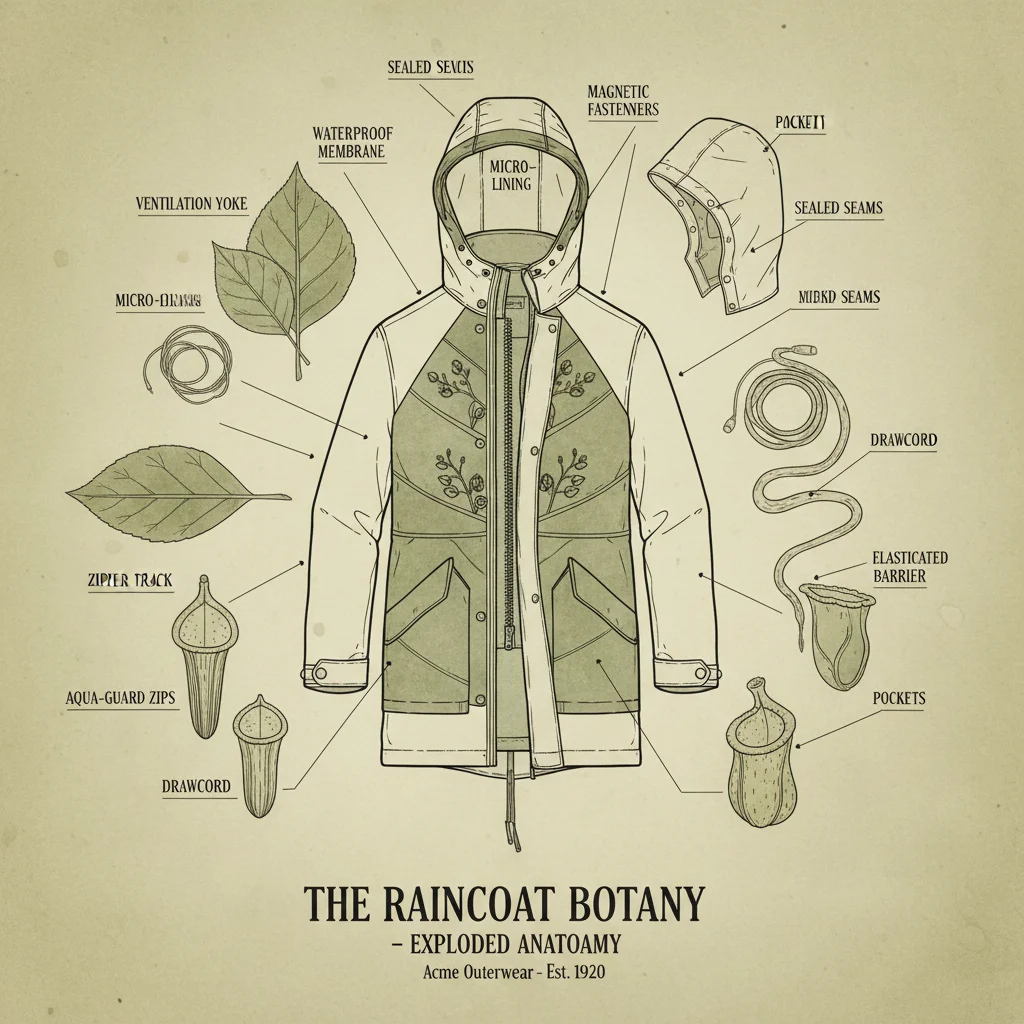
The effectiveness of a mens knee length raincoat relies heavily on welded seams. Unlike traditional stitching, which leaves thousands of tiny holes in the fabric, welded seams use heat and pressure to fuse the materials together, ensuring that water cannot penetrate through the joins.
Another critical component is the storm flap. By placing a practical placket closure over the front zipper, the design prevents wind and rain from seeping through the teeth of the zip, a common failure point in lower-quality rainwear. This attention to detail is what separates a basic jacket from professional-grade protection.
Furthermore, the integration of adjustable elements—such as elasticated sleeve endings, adjustable waists, and removable hoods—allows the wearer to customize the fit. This prevents wind from entering the garment and ensures that the hood stays secure during heavy gusts, providing a comprehensive seal against the elements.
Practical Applications Across Different Environments
High-quality rainwear is deployed across various sectors, from theme parks and outdoor parties to industrial work zones. The versatility of materials allows for different lengths; for instance, shorter jackets are ideal for high-activity play, while a mens knee length raincoat offers superior leg protection for those spending extended periods outdoors in heavy rain.
In safety-critical environments, the addition of reflectors is non-negotiable. By incorporating reflective strips, rainwear ensures maximum visibility in the dark or during gray, low-visibility storms, which is particularly vital for children and industrial workers operating near traffic.
Performance Ratings of Different Rainwear Styles
Long-term Value and Sustainability
Investing in a premium mens knee length raincoat provides significant long-term value through durability. Because PU-coated polyester is resistant to tearing and maintains its waterproof properties over many seasons, the cost-per-wear is significantly lower than that of disposable or low-quality plastic ponchos.
From a sustainability perspective, the industry is moving toward PFC-free (perfluorinated chemicals) production. By eliminating these harmful chemicals from the waterproof coating process, manufacturers reduce the environmental impact on water systems and soil, ensuring that the gear is safe for both the user and the planet.
Future Trends in Rainwear Technology
The future of rainwear lies in the convergence of smart materials and digital design. We are seeing a shift toward "breathable waterproofs" that can adapt their porosity based on the wearer's body temperature, reducing the "sauna effect" often associated with traditional PU coatings.
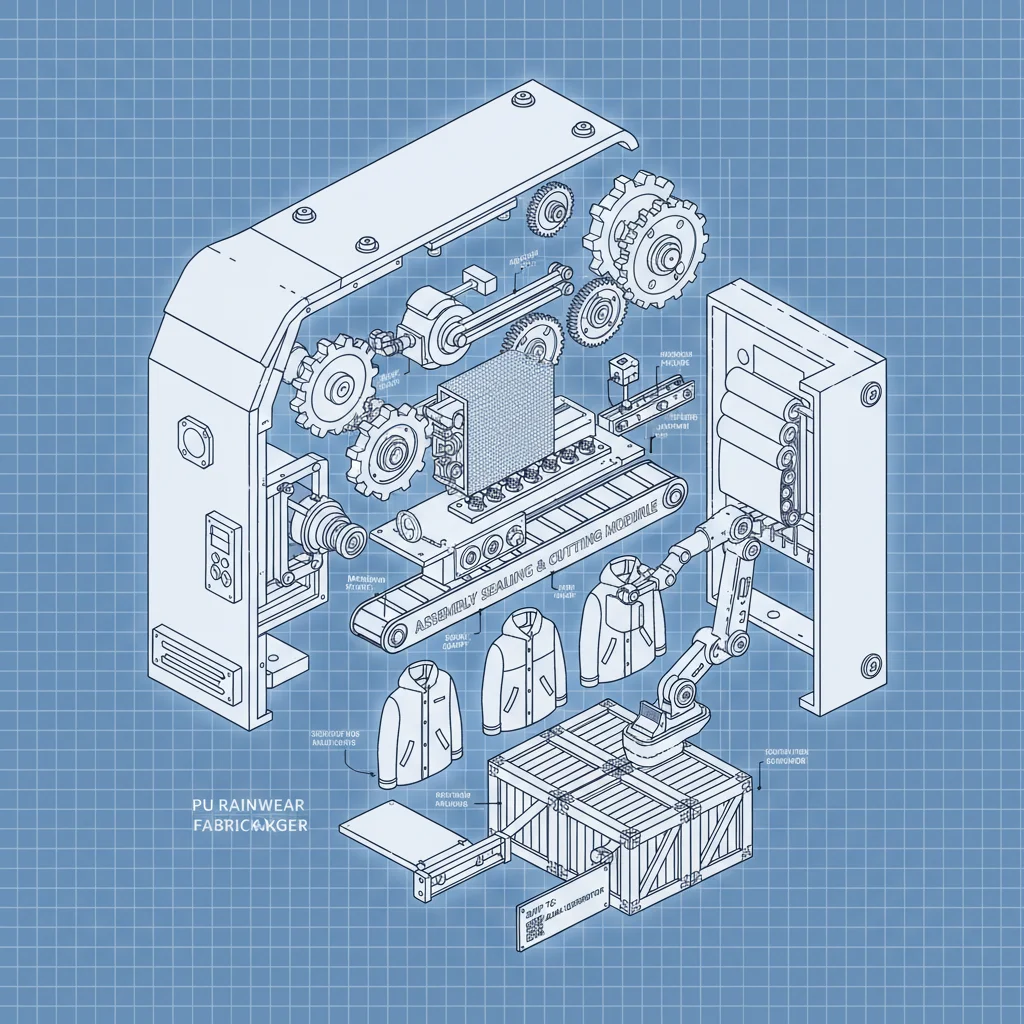
Automation in the manufacturing process, such as precision laser welding for seams, is increasing the consistency and reliability of waterproof barriers. This ensures that every mens knee length raincoat leaving the factory meets strict ISO and Oeko-Tex standards without fail.
Additionally, the integration of recycled polyester in the shell fabric is becoming a standard. By utilizing post-consumer plastic waste to create the base knitted fabric before applying the PU coating, the industry is closing the loop on textile waste while maintaining top-tier performance.
Overcoming Common Rainwear Challenges
One of the most common complaints regarding long raincoats is the restriction of movement. This is solved by integrating elasticated waists and ergonomic cuts, allowing the wearer to bend and move without the garment pulling or riding up.
Another challenge is the risk of "stuck" hoods in active environments, especially for children. The solution is the implementation of detachable hoods with push-button fastenings, which allow the hood to be removed quickly for safety or style preferences.
Finally, the issue of condensation is addressed through the use of T/C single jersey linings. This material helps wick moisture away from the body and provides a thermal buffer, making the raincoat comfortable in varying temperatures.
Technical Analysis of PU Rainwear Performance Factors
| Feature | Impact on Utility | Durability Score | Maintenance Level |
|---|
| Welded Seams | Prevents seam leakage | 9/10 | Low |
| PU Coating (200gsm) | Absolute waterproof barrier | 8/10 | Low |
| T/C Jersey Lining | Thermal comfort & soft touch | 7/10 | Medium |
| Storm Flap | Blocks wind at zipper | 10/10 | Low |
| Reflective Strips | Night-time visibility | 6/10 | Medium |
| Removable Hood | Adaptability & Safety | 9/10 | Low |
FAQS
PU (Polyurethane) is generally more flexible, breathable, and durable than PVC. While both are waterproof, PU raincoats, including the mens knee length raincoat, tend to be lighter and feel more like fabric than plastic, making them more comfortable for extended wear.
Yes. Standard stitched seams create thousands of tiny perforations where water can seep through via capillary action. Welded seams fuse the fabric together, ensuring 100% waterproof integrity at the joins, which is critical for heavy downpours.
PU rainwear should typically be wiped down with a damp cloth and mild soap. Avoid harsh chemical detergents or machine drying at high temperatures, as excessive heat can degrade the PU coating and cause it to peel or crack.
A T/C (Tetron Cotton) lining provides a balance of durability (from the polyester) and breathability/comfort (from the cotton). It prevents the waterproof shell from sticking to the skin and provides a necessary layer of warmth for cooler rainy seasons.
Absolutely. Modern PFC-free technologies provide equivalent water-repellency without the use of harmful perfluorinated chemicals. This makes the gear safer for the environment and the wearer without sacrificing any protective performance.
A mens knee length raincoat provides significantly more coverage for the lower body, protecting trousers from splashes and rain. This is ideal for commuting, walking, or outdoor work where total body dryness is a priority.
Conclusion
In summary, the effectiveness of professional rainwear—whether it is a specialized junior jacket or a mens knee length raincoat—depends on the synergy of high-quality materials and precision engineering. From the 100% PU coating and welded seams to the safety of PFC-free fabrics and reflectors, every detail is designed to ensure the wearer remains dry, warm, and visible in the harshest conditions.
As we look toward the future, the integration of sustainable recycled materials and smarter, breathable coatings will continue to elevate the standard of protective apparel. Choosing gear that adheres to Oeko-Tex 100 standards and utilizes functional designs ensures a long-term investment in both personal health and environmental responsibility. For premium, customized rainwear solutions, visit our website: www.jjpuraincoat.com.