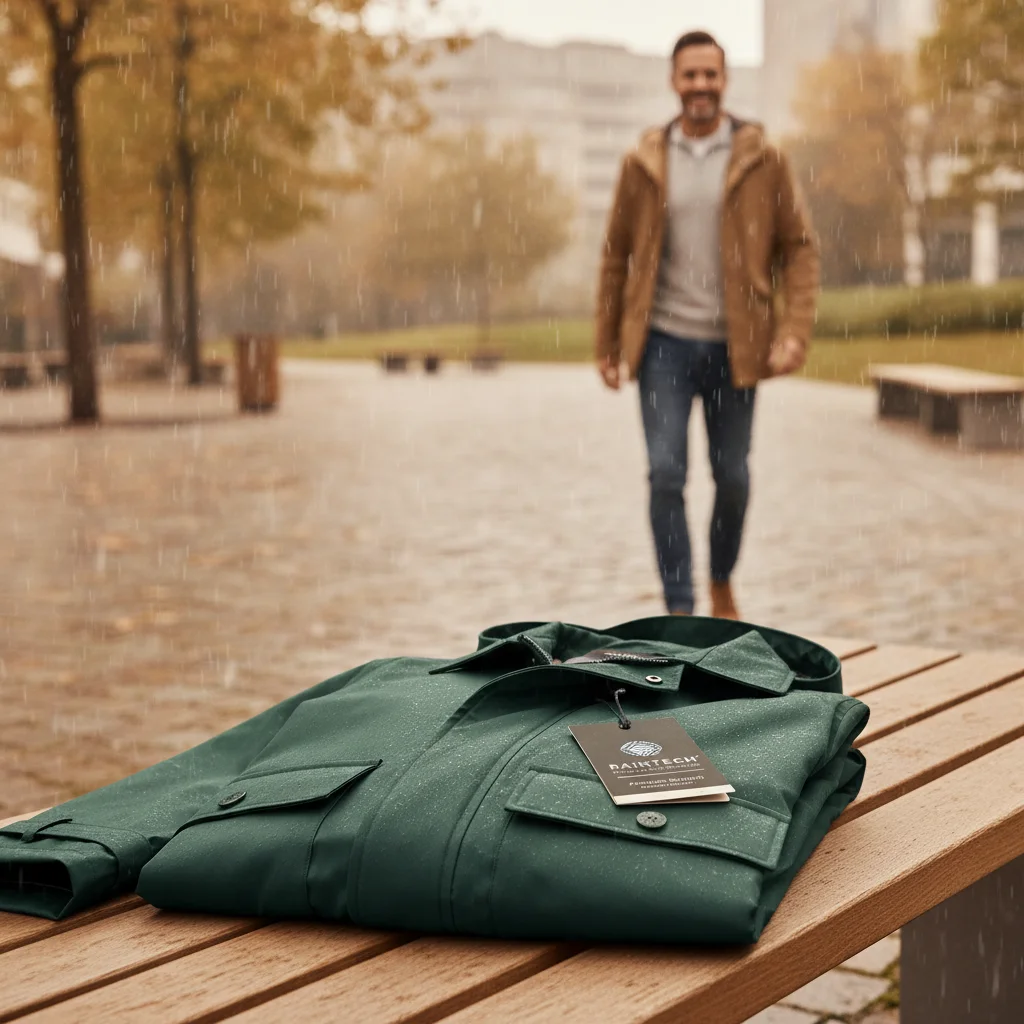
Finding a reliable rain coat mens waterproof solution often involves balancing the need for extreme weather protection with the desire for professional aesthetics. In the modern textile industry, the evolution of polyurethane (PU) coatings has transformed rainwear from cumbersome rubber sheets into breathable, stylish, and highly functional garments that serve both urban commuters and outdoor enthusiasts.
The global demand for high-performance rainwear is driven by increasingly unpredictable weather patterns and a growing emphasis on sustainable manufacturing. For the professional wearer, a waterproof coat is not just an accessory but a critical piece of equipment that ensures productivity and health by preventing hypothermia and moisture-related discomfort during persistent rainfall.
Understanding the technical specifications of a quality rain coat mens waterproof—such as water column ratings, seam welding, and fabric GSM—is essential for consumers and procurement managers alike. By focusing on materials like recycled polyester and PFC-free coatings, the industry is now merging high-level waterproof functionality with environmental responsibility.

The Technical Composition of Waterproof Rainwear
At the core of a high-performance rain coat mens waterproof is the strategic combination of a base fabric and a protective coating. In professional manufacturing, 100% polyester knitted fabric is often paired with a polyurethane (PU) coating, typically ranging between 190-200gsm. This specific weight ensures that the garment is substantial enough to withstand wind pressure without becoming excessively heavy or restrictive for the wearer.
The efficacy of the waterproof barrier depends heavily on the application of the PU coating and the integrity of the assembly. Unlike standard sewing, which leaves needle holes that act as leak points, high-end rainwear utilizes welded seams. This process uses heat and pressure to fuse the fabric together, creating a continuous waterproof shield that prevents moisture from penetrating the garment's structural joints.
Industry Standards for Water Column and Windproofing
In the textile industry, the "waterproof" claim is quantified by the water column test. A professional-grade rain coat mens waterproof typically aims for a water column of 8,000 mm. This means the fabric can withstand a column of water 8,000 millimeters high before leakage occurs, providing comprehensive protection even during persistent, heavy rainfall or high-pressure wind-driven rain.
Windproofing is equally critical, as wind can push moisture through fabric pores and accelerate heat loss from the body. By utilizing a dense PU coating and implementing strategic closures—such as front plackets with zips and press studs—manufacturers ensure that the garment acts as a total barrier. This dual-action protection is essential for maintaining a stable core body temperature in wet, chilly environments.
Certification plays a vital role in verifying these standards. Compliance with Oeko-Tex 100 ensures that the materials used in the coating and fabric are free from harmful substances, making the garment safe for prolonged skin contact. This intersection of technical performance and safety certification defines the benchmark for modern industrial rainwear.
Sustainable Materials in Modern Raincoat Production
The shift toward eco-conscious manufacturing has led to the integration of recycled polyester in the production of rain coat mens waterproof options. By repurposing plastic waste into high-tenacity yarn, manufacturers reduce the reliance on virgin petroleum-based plastics while maintaining the fabric's inherent strength and hydrophobic properties.
A significant breakthrough in sustainability is the move toward PFC-free and PVC-free PU coatings. Perfluorinated compounds (PFCs) were traditionally used for water repellency but are known to be persistent environmental pollutants. Modern rain coat mens waterproof garments now utilize bio-based or modified PU alternatives that provide the same 8,000 mm water column protection without the ecological footprint.
Sustainability also extends to the lifecycle of the product. By focusing on durability and "timeless" design, the industry aims to reduce the frequency of replacement. A high-quality rain jacket that withstands both weather trends and physical wear becomes a long-term wardrobe staple, effectively reducing the volume of textile waste entering landfills.
Functional Design Elements for Maximum Protection
The utility of a rain coat mens waterproof is defined by its hardware and ergonomic features. A large, adjustable hood with drawstrings is paramount, as it allows the wearer to seal out wind and rain regardless of wind direction. Additionally, adjustable cuffs prevent water from running down the arms and entering the sleeves, ensuring that the wearer remains dry even when performing active tasks.
Storage and accessibility are addressed through the inclusion of large flap pockets with press studs. These pockets provide secure storage for essential items while ensuring that the pocket openings themselves remain waterproof. The combination of a front zip and push-button closure creates a double-barrier system, preventing "leakage" through the zipper—a common fail point in lower-quality rainwear.
Performance Comparison of Waterproofing Methods
Global Applications of Professional Waterproof Outerwear
The application of a high-quality rain coat mens waterproof spans across various global sectors. In urban environments, these garments are essential for corporate professionals in rainy climates, such as London or Seattle, where a "classic trench" silhouette allows for a seamless transition from a rainy street to a boardroom setting.
Beyond the city, these jackets are critical in industrial zones and logistics hubs. Workers in shipping ports or open-air warehouses rely on the windproof and waterproof properties of PU-coated fabrics to maintain operational efficiency during storms. In these contexts, the durability of welded seams and the security of press-stud closures are not just about comfort, but about occupational safety.
Long-Term Value and Durability Analysis
When evaluating the value of a rain coat mens waterproof, one must look beyond the initial purchase price and consider the "cost-per-wear." A garment constructed from 200gsm polyester with a high-grade PU coating resists abrasion and tearing much more effectively than lightweight, disposable alternatives, significantly extending the product's lifespan.
The emotional value of reliable rainwear lies in the confidence it provides. Knowing that a garment can withstand persistent rain without soaking through allows the wearer to face adverse weather with dignity and composure. This reliability builds trust in the brand and reduces the psychological stress associated with unpredictable weather.
Furthermore, the implementation of Custom/OEM/ODM services allows organizations to integrate their branding into high-performance gear. This not only provides employees with superior protection but also reinforces a corporate image of quality and care for personnel welfare, adding intrinsic organizational value.
Future Innovations in Waterproof Textile Technology
The future of the rain coat mens waterproof industry is moving toward "smart" textiles. We are seeing the early stages of moisture-responsive fabrics that can adjust their breathability based on the intensity of the rain and the wearer's body heat, solving the age-old conflict between total waterproofing and internal condensation.
Automation in manufacturing, particularly in the precision of welded seams, is reducing human error and increasing the consistency of waterproof barriers. Digital transformation in the supply chain also enables more agile Custom/OEM services, allowing for faster delivery cycles (currently 30-90 days) and more precise sizing to reduce waste.
As global policies on "fast fashion" tighten, the industry will likely see a surge in biodegradable PU coatings that offer professional-grade protection but decompose safely at the end of the garment's life. This represents the ultimate goal: a high-performance rain jacket with zero environmental footprint.
Comparative Analysis of Waterproof Rainwear Specifications
| Material Grade | Waterproof Level | Sustainability Score | Durability Rating |
|---|
| Standard PU Coating | High (8000mm) | Moderate | 8/10 |
| Recycled Poly PU | High (8000mm) | Excellent | 9/10 |
| PVC-Based Fabric | Very High | Low | 7/10 |
| Breathable Laminate | Moderate | Moderate | 6/10 |
| Lightweight Nylon | Low to Moderate | Moderate | 5/10 |
| Eco-PU Hybrid | High (8000mm) | Excellent | 9/10 |
FAQS
Water-resistant fabrics repel water for a short time but eventually soak through under pressure. A truly rain coat mens waterproof utilizes a PU coating and welded seams to create a physical barrier that prevents water from penetrating the fabric entirely, even during prolonged exposure to heavy rain.
An 8,000 mm rating is considered high-performance. It is sufficient for almost all daily urban activities, hiking in rain, and professional outdoor work. It ensures that water will not penetrate the fabric even if you are leaning against a wet surface or facing wind-driven rain.
Yes, modern recycled polyester fibers are engineered to match the tensile strength and durability of virgin polyester. When combined with a professional PU coating and 190-200gsm weight, recycled options provide the same longevity and waterproof performance while being more eco-friendly.
Traditional stitching creates thousands of tiny holes in the fabric, which are natural entry points for water. Welded seams use heat to bond the materials together, effectively eliminating these holes and ensuring the garment remains 100% waterproof at the joints.
Absolutely. We accept customized logos via screen printing or transfer printing. Our Custom/OEM/ODM services are designed to help businesses create professional, branded rain coat mens waterproof solutions that maintain all technical performance standards.
To preserve the PU coating, avoid machine drying on high heat, which can crack the polyurethane. Instead, wipe the garment with a damp cloth and air dry. For deeper cleans, use a mild detergent and avoid harsh chemicals that could strip the waterproof layer.
Conclusion
Choosing a high-performance rain coat mens waterproof is an investment in both functionality and sustainability. By prioritizing technical specifications like an 8,000 mm water column, welded seams, and eco-friendly PU coatings, users can ensure they remain dry and comfortable in the harshest weather while reducing their environmental impact. The synthesis of classic design and modern material science allows these garments to serve as both professional attire and essential protective gear.
As we look toward a future of smarter, more sustainable textiles, the importance of durability and ethical manufacturing will only grow. We recommend that procurement managers and individual consumers alike focus on certified materials (such as Oeko-Tex 100) and proven construction methods to maximize the lifecycle of their outerwear. For premium, customized, and sustainable waterproof solutions, visit our website: www.jjpuraincoat.com.