Rain poncho manufacturers play a crucial, yet often overlooked, role in global preparedness and protection. From equipping festival-goers to providing life-saving shelter during humanitarian crises, these manufacturers are at the forefront of delivering accessible, affordable, and rapidly deployable weather protection. The demand for high-quality rain ponchos continues to rise, fueled by increasing extreme weather events and a growing awareness of the importance of personal safety during outdoor activities. Understanding the nuances of this industry – from material sourcing to production scalability – is essential for anyone involved in disaster relief, event planning, or outdoor retail.
The global market for rain ponchos is a dynamic landscape, influenced by factors like fluctuating raw material costs, evolving consumer preferences, and the urgent need for reliable emergency supplies. rain poncho manufacturers are increasingly focused on sustainable practices, seeking eco-friendly materials and reducing their environmental footprint. This trend, coupled with technological advancements in waterproof materials and production techniques, is reshaping the industry and offering innovative solutions for diverse needs.
Investing in understanding the capabilities and supply chains of rain poncho manufacturers is, therefore, a strategic move for both commercial and humanitarian organizations. It enables efficient procurement, rapid response to emergencies, and ultimately, better protection for those who need it most.

The Core Role of Rain Poncho Manufacturers
rain poncho manufacturers are the backbone of providing immediate protection against the elements. Their output directly impacts safety during outdoor events, travel, and, critically, disaster relief efforts. They bridge the gap between need and solution, offering a simple yet highly effective barrier against rain, wind, and even cold.
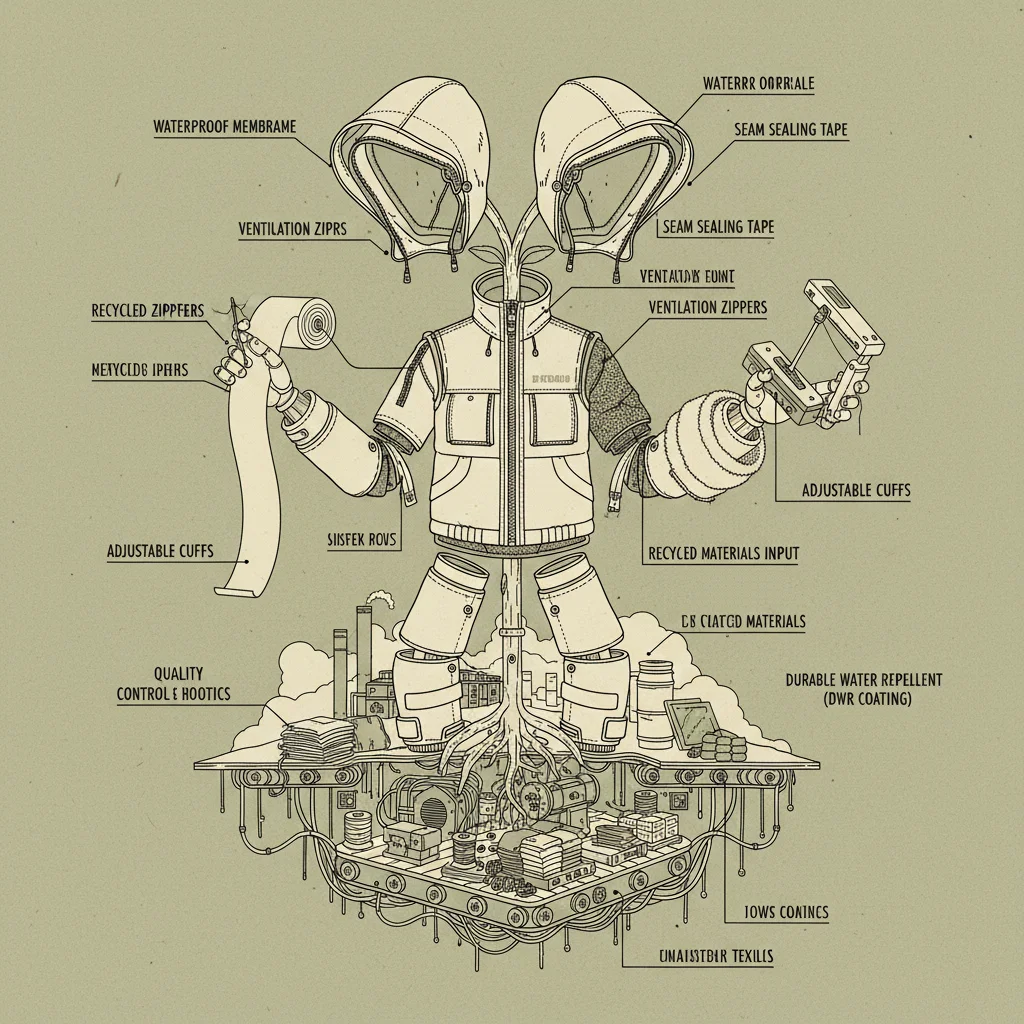
The scope of their operation extends beyond simply creating a waterproof garment. They are involved in material sourcing, design optimization, quality control, and logistical distribution. Efficient rain poncho manufacturers ensure that supplies reach those who need them swiftly and reliably, minimizing the impact of adverse weather conditions.
Defining Rain Poncho Manufacturers
Rain poncho manufacturers are companies specializing in the production of waterproof or water-resistant garments – specifically, ponchos – designed to protect the wearer from rainfall. These manufacturers range from large-scale industrial operations producing millions of units annually to smaller, specialized businesses focusing on niche markets or custom designs. They often work with diverse materials like polyethylene (PE), polyvinyl chloride (PVC), polyurethane (PU), and increasingly, recycled and biodegradable options.
Their significance extends beyond commercial applications. Many rain poncho manufacturers serve as vital suppliers to humanitarian organizations, governments, and NGOs involved in disaster response. The ability to quickly produce and deliver large quantities of ponchos is crucial for providing essential shelter and protection to populations affected by floods, hurricanes, and other weather-related emergencies.
A modern rain poncho manufacturer isn't simply a production facility; it’s a logistical hub and often, an innovator in materials and sustainable practices, responding to growing environmental concerns and the evolving needs of the market.
Key Factors in Rain Poncho Manufacturing
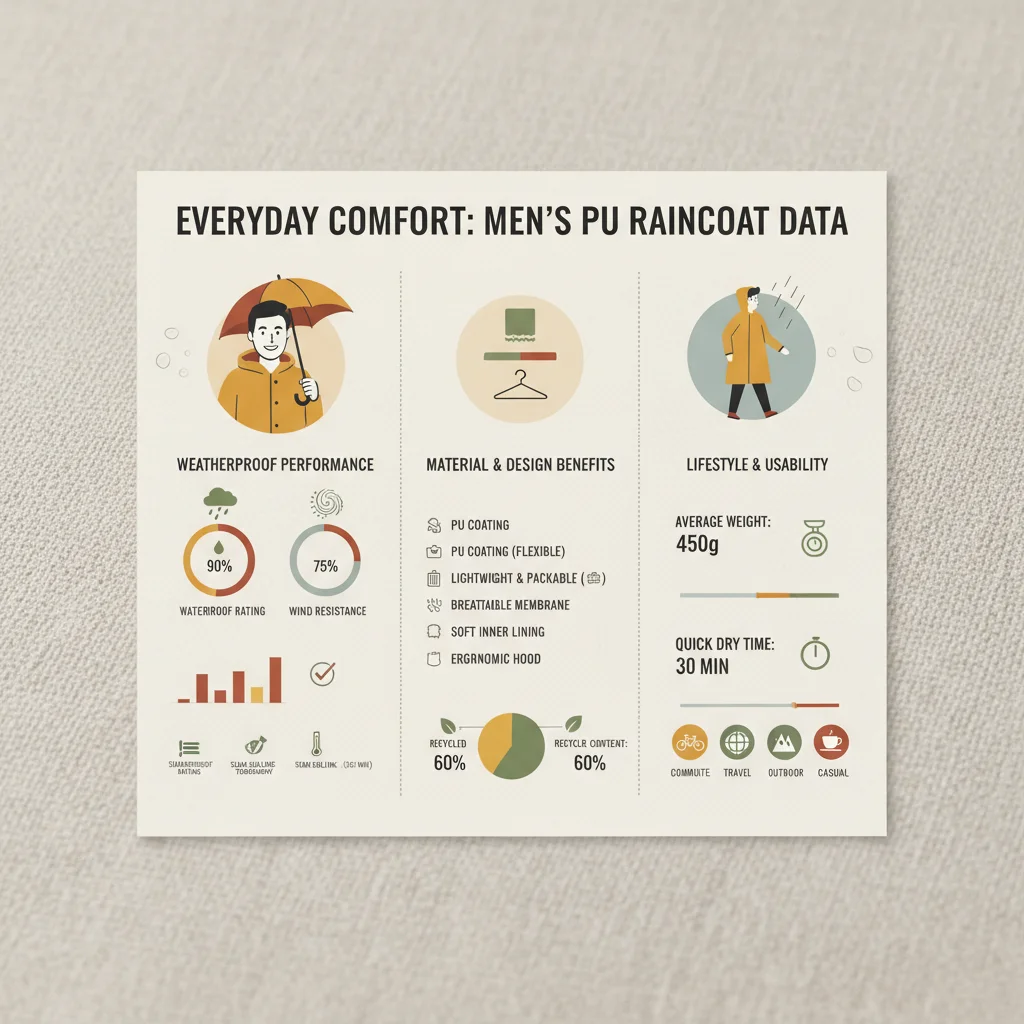
Several critical factors underpin the success and reliability of rain poncho manufacturers. Durability is paramount; ponchos must withstand repeated use and exposure to harsh conditions. Material selection plays a significant role here, with manufacturers balancing cost, weight, and waterproof capabilities.
Scalability is another key factor, particularly for organizations serving emergency response. Manufacturers must be able to rapidly increase production capacity to meet sudden surges in demand. Efficient supply chain management and optimized manufacturing processes are crucial for achieving this.
Cost efficiency is vital, especially when supplying large-scale relief efforts. Manufacturers need to balance quality with affordability to ensure widespread accessibility. Furthermore, compliance with safety standards and certifications (like ISO) is non-negotiable, guaranteeing product quality and consumer protection.
Scalability and Production Capacity of Rain Poncho Manufacturers
The ability to rapidly scale production is a defining characteristic of leading rain poncho manufacturers. This requires significant investment in infrastructure, automated machinery, and a well-trained workforce. Manufacturers need to be able to switch between different poncho designs and materials quickly to respond to evolving needs and market demands.
Production capacity is often measured in units per day or week, and varies dramatically depending on the manufacturer's size and technological capabilities. Those catering to disaster relief efforts typically maintain a higher baseline capacity and have established contingency plans for rapid expansion.
Rain Poncho Manufacturing Capacity Comparison
Global Applications and Use Cases for Rain Ponchos
Rain ponchos have a remarkably diverse range of applications. In post-disaster relief operations, they are critical for providing immediate shelter and protection to displaced populations. Their lightweight and compact nature makes them easy to transport and distribute in challenging environments.
Beyond emergency response, rain ponchos are widely used for outdoor recreational activities like hiking, camping, and attending festivals. They are also essential gear for construction workers, agricultural laborers, and anyone working outdoors in inclement weather.
Advantages and Long-Term Value
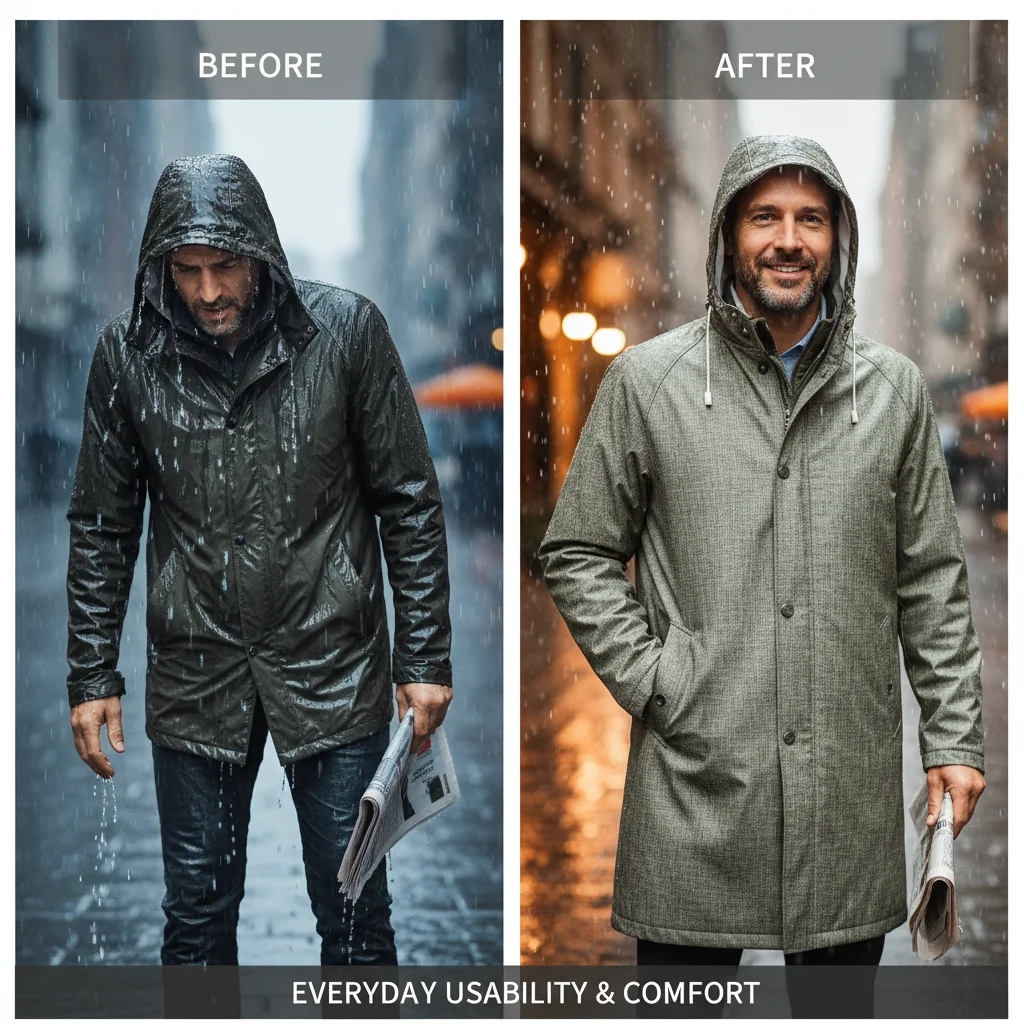
The advantages of utilizing products from reliable rain poncho manufacturers are multifaceted. Cost-effectiveness is a significant benefit, as ponchos offer a low-cost solution for weather protection compared to heavier, more expensive alternatives. Sustainability is becoming increasingly important, with manufacturers offering eco-friendly materials and responsible production processes.
The long-term value extends beyond immediate protection. By providing a sense of security and enabling continued activity during adverse weather, ponchos contribute to maintaining productivity, preventing illness, and safeguarding vulnerable populations. This fosters trust and strengthens the relationships between suppliers, organizations, and communities.
Future Trends and Innovations in Rain Poncho Production
The future of rain poncho manufacturing is focused on several key innovations. The development of biodegradable and compostable materials is gaining momentum, addressing growing environmental concerns. Advanced waterproofing technologies, such as nanotechnology, are enhancing performance and durability.
Digital transformation is also playing a role, with manufacturers utilizing data analytics to optimize production processes and improve supply chain management. Automation is increasing efficiency and reducing costs, while customizable poncho designs are catering to specific needs and preferences.
Expect to see increased integration of smart features, like reflective elements for enhanced visibility and integrated emergency communication systems, further enhancing the value and versatility of rain ponchos.
FAQS
The most common materials are polyethylene (PE), polyvinyl chloride (PVC), and polyurethane (PU). PE is cost-effective but less durable, PVC is durable but less environmentally friendly, and PU offers a balance of both. Increasingly, manufacturers are exploring recycled and biodegradable alternatives to reduce environmental impact.
Lead times can vary significantly based on order volume, material availability, and the manufacturer's production capacity. Typically, large-volume orders (over 100,000 units) require a lead time of 4-8 weeks. It’s crucial to communicate your requirements well in advance to ensure timely delivery.
Look for certifications like ISO 9001 (quality management), ISO 14001 (environmental management), and any relevant safety certifications specific to your region. These certifications demonstrate the manufacturer’s commitment to quality, sustainability, and safety standards.
Yes, most rain poncho manufacturers offer customization options, including logo printing, color variations, and even bespoke designs. Customization costs will vary depending on the complexity of the design and the order volume.
The MOQ varies between manufacturers, but typically ranges from 1,000 to 5,000 units per design. Some manufacturers may be willing to negotiate lower MOQs for specific projects or smaller organizations, especially for standard designs.
Environmental impact is driving manufacturers to adopt sustainable practices, such as using recycled materials, reducing waste, and implementing eco-friendly production processes. Choosing manufacturers committed to sustainability minimizes your environmental footprint.
Conclusion
In conclusion, rain poncho manufacturers are a critical link in ensuring global preparedness for inclement weather and emergency situations. Their ability to deliver accessible, affordable, and reliable protection impacts a wide range of sectors, from humanitarian aid to outdoor recreation. Understanding the key factors influencing poncho production—durability, scalability, cost efficiency, and sustainability—is essential for making informed purchasing decisions and fostering responsible sourcing.
Looking ahead, the industry is poised for continued innovation, driven by advancements in materials science and a growing commitment to environmental responsibility. By prioritizing quality, sustainability, and strategic partnerships, we can ensure that rain poncho manufacturers continue to play a vital role in safeguarding communities and empowering individuals around the world. Visit our website at www.jjpuraincoat.com to explore our range of high-quality rain ponchos.