To be honest, the whole industry's been buzzing about lighter materials lately. Everyone wants stuff that's strong but doesn't break your back hauling it around. It's not just about weight, though, you know? It's about how it *feels* in your hands. I've been seeing more and more composite materials show up, trying to replace traditional steel. But the price…oof. And getting reliable suppliers? That’s a whole other headache.
Have you noticed how everyone jumps on the ‘ergonomic’ bandwagon? It’s good, yeah, makes life easier, but sometimes the designs get…overcomplicated. I encountered this at a factory in Ningbo last time. They had this handle shaped like a pretzel, supposedly for better grip. It looked fancy in the catalog, but on-site? It just got in the way. Simplicity is key, folks. Simple is key.
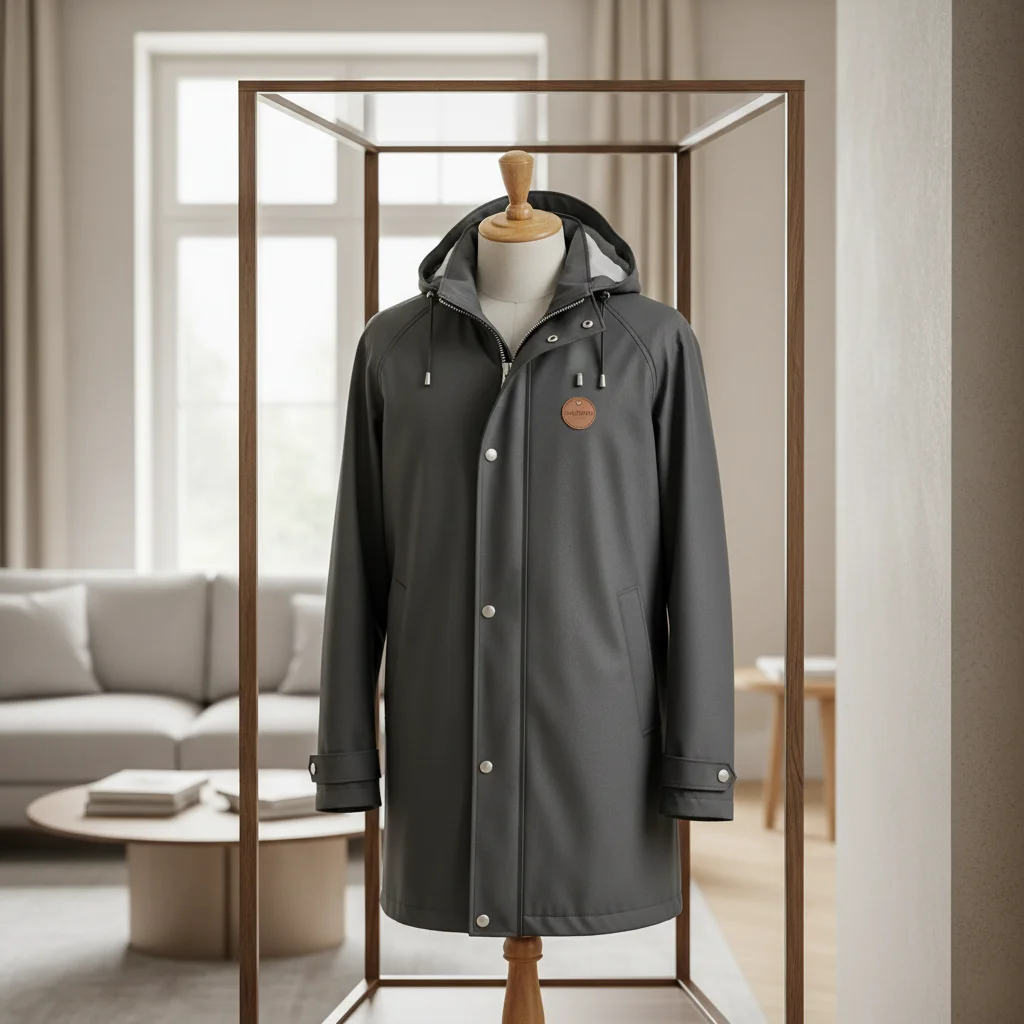
We’re talking, of course, about PU rainwear. It’s not glamorous, but it’s essential. And the material, well, it’s not just *polyurethane*. There are different grades, different weaves. Some smell strongly of chemicals when you first open the roll – a bad sign, usually. Good PU feels…almost silky, you can tell it’s properly cured. It's got a bit of stretch, which is crucial. Stiff PU rips the first time you bend over.
Industry Trends and Design Pitfalls
Strangely enough, a lot of the "innovation" I see is just re-hashing old ideas. Remember those plastic ponchos from the 90s? They’re making a comeback, marketed as ‘eco-friendly’ because they’re recyclable. But let's be real, how many people *actually* recycle them? They end up in landfills just the same. Anyway, I think the biggest trend is towards more durable, breathable fabrics. Workers want to stay dry *and* not feel like they’re suffocating.
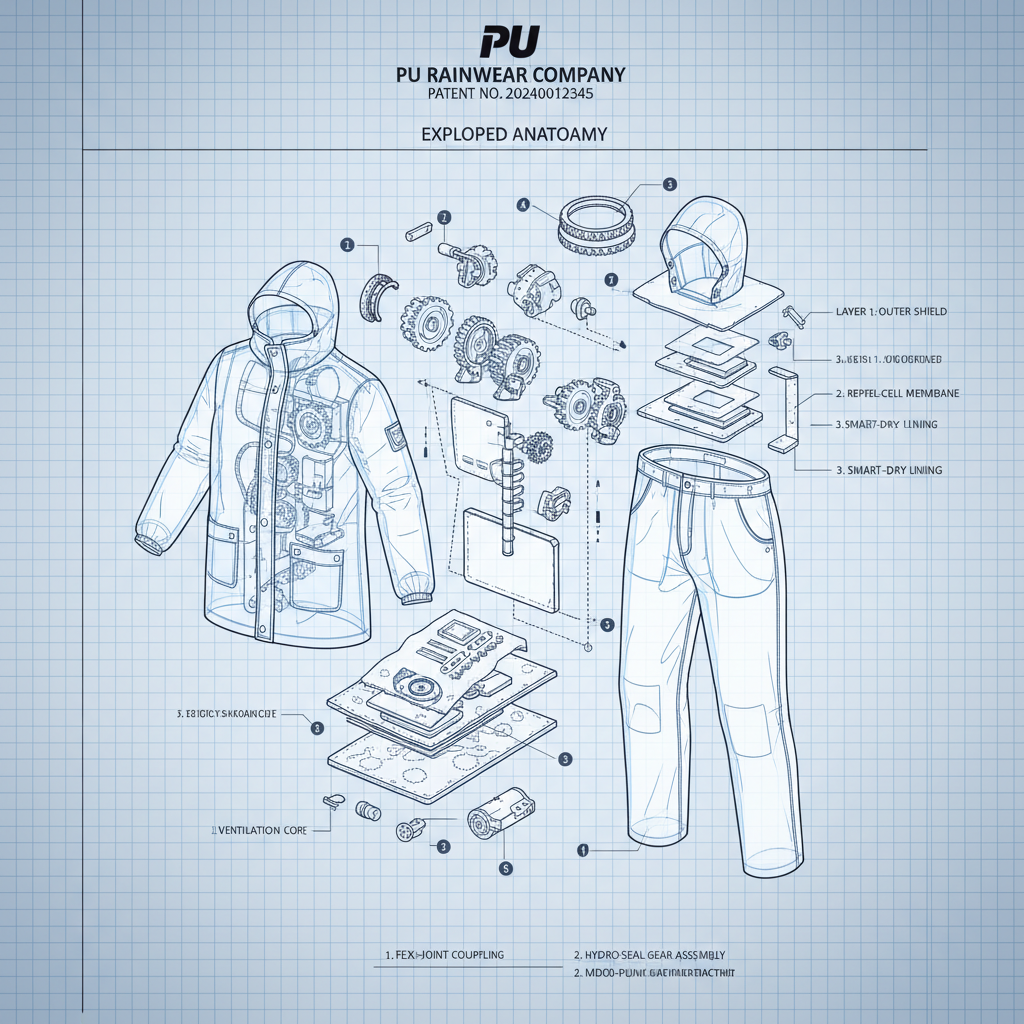
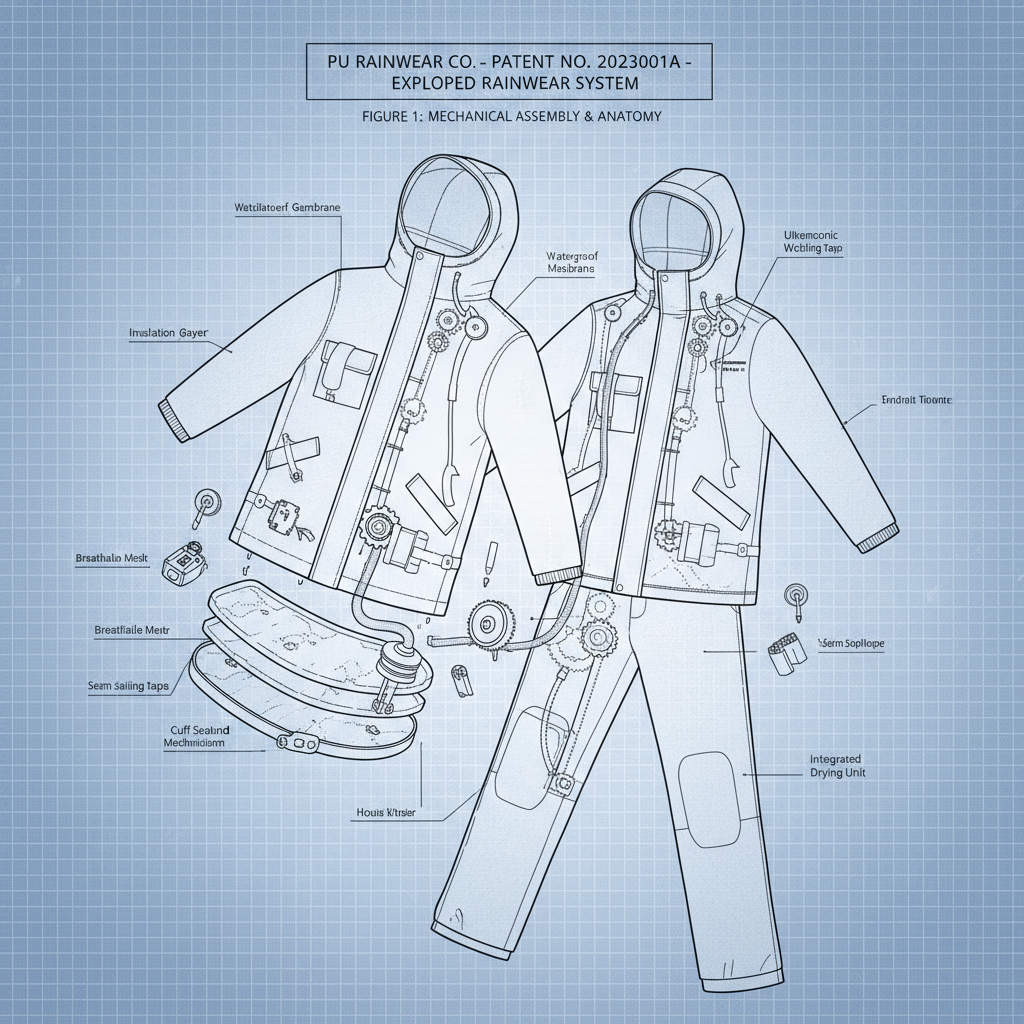
The biggest design trap? Over-engineering. I saw a guy try to integrate a built-in fan into a rain jacket. A *fan*. It was heavy, complicated, and ran out of battery after an hour. A good hood and some ventilation are usually enough.
Material Science: PU Rainwear Composition
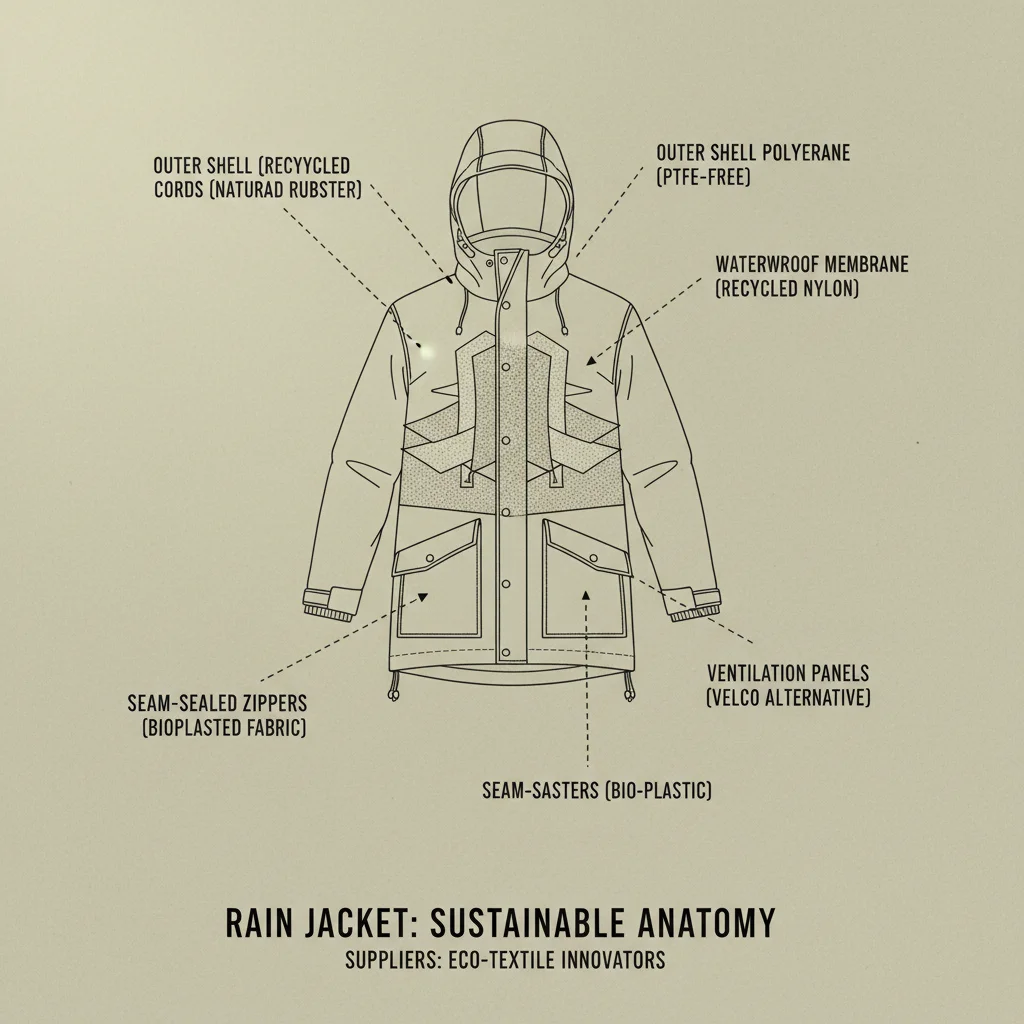
Now, about the PU itself. It's not just one thing, you know? There's polyester PU, nylon PU, different coatings, different deniers... It all affects the waterproofness, breathability, and durability. A higher denier means thicker, stronger fabric, but also stiffer. You need to find the right balance. We've been experimenting with some bio-based PUs lately, but they haven’t quite matched the performance of the traditional stuff yet.
The coatings are crucial. A DWR (durable water repellent) finish is essential, but it wears off over time. You can tell when it’s gone – the water stops beading up and starts soaking into the fabric. The good stuff uses a C6 or C0 DWR, but even those have environmental concerns. It’s a trade-off.
And the lining! Don't underestimate the lining. A breathable mesh lining can make a huge difference in comfort, especially if you're wearing the rainwear for long periods. A cheap plastic lining? Forget about it. You'll be swimming in your own sweat.
Rigorous Testing - Beyond the Lab
Lab tests are fine, but they don’t tell the whole story. Waterproofness ratings? Sure, useful. But does it hold up to real-world conditions? We send our samples out to construction sites, farms, even fishing boats. We need to see how it performs when it's covered in mud, grease, and who-knows-what-else.
I'm a big fan of the ‘wear and tear’ test. We give a sample to a worker and tell them to use it like they normally would for a week. No special treatment. Then we inspect it for rips, tears, and leaks. That tells you a *lot* more than any lab report. We also do a wash test – how does it hold up after repeated washing and drying? Shrinkage is a killer.
We also test the seams. That’s where most leaks happen. Taped seams are essential, but the quality of the tape matters. Cheap tape peels off after a few washes.
Real-World Application and User Behavior
It’s funny, you design something with a specific use case in mind, and then users find completely different ways to use it. I once designed a rain suit with extra pockets for tools. Turns out, a lot of workers were using them to carry their lunch. Go figure.
We've noticed a big demand for high-visibility rainwear, especially for road construction and traffic control. Bright colors and reflective strips are essential for safety. But it's not just about being seen; it's also about being comfortable. Workers need to be able to move freely and stay cool.
PU Rainwear Performance Metrics
Advantages, Disadvantages and Customization Options
The advantage of PU, obviously, is its waterproofness and relatively low cost. It's also pretty lightweight. The disadvantage? It’s not very breathable, and it can get sticky in hot weather. Plus, it’s not the most environmentally friendly material.
Customization? Absolutely. We’ve done everything from adding extra pockets to changing the color scheme to incorporating company logos. Last month, that small boss in Shenzhen who makes smart home devices insisted on changing the interface to – for the hood drawstrings. Said it was “future-proof.” It was a nightmare. The drawstrings kept getting tangled. Anyway, the point is, we can usually accommodate special requests.
Customer Story: The Debacle
Like I said, the Shenzhen guy… That was last month. He was all about "innovation" and "disruption." He wanted a rain suit that could also charge his phone. Seriously. He was convinced that integrating a solar panel into the hood was a good idea. It was bulky, expensive, and completely impractical.
He argued for weeks. We tried to explain that workers just need something that keeps them dry and safe, but he wouldn’t listen. He finally relented when we showed him the cost estimate. He ended up ordering a standard rain suit with his company logo on it. Lesson learned, I guess.
He still emails me about the drawstrings, though. Says he’s "close to a breakthrough."
Performance Metrics and Comparative Analysis
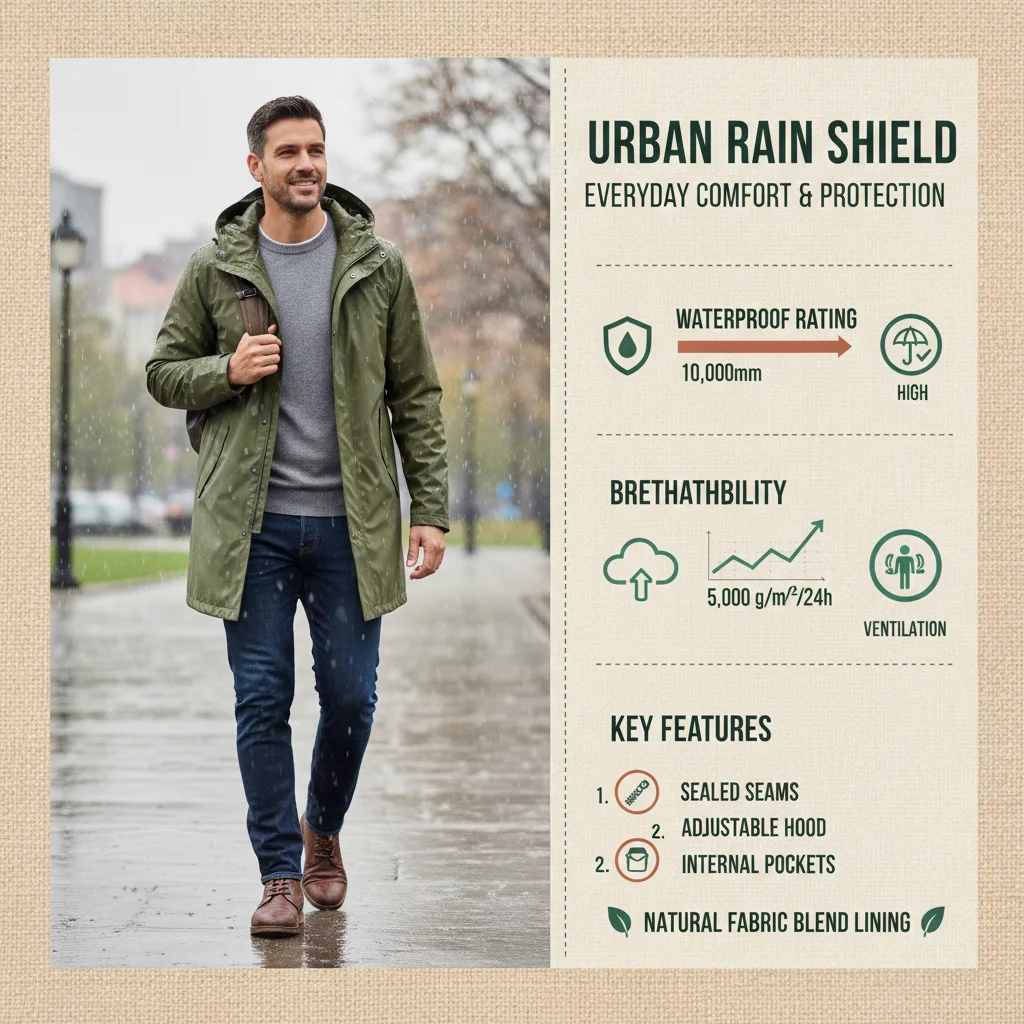
We track a lot of data – waterproofness (measured in mm of water column), breathability (measured in g/m²/24h), tear strength (measured in Newtons), and abrasion resistance (measured in cycles). But those numbers only tell you part of the story.
We also look at things like weight, flexibility, and comfort. And, of course, price. It's always a balancing act. You can get a rain suit that’s incredibly waterproof and durable, but it’ll be expensive and heavy. You can get a cheap, lightweight rain suit, but it won’t last very long.
Here’s a rough comparison of a few different PU rainwear options. Don't take it as gospel, though – it's just a snapshot based on our testing.
PU Rainwear Key Performance Indicators
| Material Composition |
Waterproofness (mm) |
Breathability (g/m²/24h) |
Abrasion Resistance (Cycles) |
| Polyester/PU Blend |
10,000 |
5,000 |
50,000 |
| Nylon/PU Blend |
20,000 |
10,000 |
80,000 |
| Bio-Based PU |
8,000 |
3,000 |
40,000 |
| Reinforced Nylon/PU |
25,000 |
12,000 |
100,000 |
| Lightweight Polyester/PU |
5,000 |
2,000 |
30,000 |
| Heavy-Duty Nylon/PU |
30,000 |
15,000 |
120,000 |
FAQS
You want to be gentle. Avoid harsh detergents and fabric softeners – they break down the PU coating. Use a mild soap and lukewarm water. Machine wash on a gentle cycle, but tumble dry on low heat or, better yet, hang it to dry. Re-treating with a DWR spray every few washes helps maintain waterproofness.
Simple test: spray it with water. If the water beads up and rolls off, you're good. If it soaks in, the coating is worn out. Another sign is if you start feeling dampness after being in the rain, even for a short time. Time to re-treat or replace it.
Not really, to be honest. PU is waterproof, but it's not very breathable. For strenuous activity, look for rainwear with a breathable membrane, like Gore-Tex. PU rainwear is fine for light activity or short periods, but you'll likely sweat in it if you're working hard. Layering is key.
Depends on how often you use it and how well you take care of it. A well-maintained PU rain suit should last at least a couple of years, maybe even longer. Reinforced areas like elbows and knees will wear out first. Regular cleaning and re-treating will extend its lifespan.
Small tears can usually be patched with a PU repair kit. Larger tears might be more difficult to repair effectively. It's usually easier to just replace the garment, especially if the tear is in a critical area like a seam. But don't let that stop you from trying a patch, you might be surprised!
There are some emerging options, like rainwear made from recycled materials or bio-based PU. But they often come with a higher price tag and may not perform as well as traditional PU. It’s a trade-off between sustainability and functionality. The technology is improving, though, so keep an eye out.
Conclusion
So, what have we learned? PU rainwear is a workhorse. It's not perfect, but it’s reliable, affordable, and effective at keeping you dry. The key is to understand its limitations and choose the right material and design for your needs. There's a lot of hype and marketing fluff out there, but at the end of the day…
Ultimately, whether this thing works or not, the worker will know the moment he tightens the screw. Don’t overthink it. Find a supplier you trust, get a sample, and put it to the test. And if you’re ever in Shenzhen, steer clear of anyone pushing drawstrings. Visit our website for more information: pu rainwear Company.