Honestly, these days everyone’s talking about sustainability, right? And ‘green’ materials. Seems like every supplier is suddenly an eco-warrior. But let me tell you, after years on construction sites, I've seen “greenwashing” up close. It's mostly about the marketing, not the actual impact. But there is genuine movement towards more durable, long-lasting materials, which, oddly enough, is a kind of sustainability.
What I’ve noticed is everyone's chasing lighter weight, higher strength. It’s a constant trade-off. You can get super light, but then it’s brittle. Strong, but then it's a bear to work with. And it all comes down to those little details in the design. Like, have you noticed how many products fail because they underestimate the stress on a specific joint? It’s almost always the join, not the material itself.
We’re using a lot more polyurethane these days, especially for raincoats, and the suppliers… well, we'll get to them. It's just… different. It doesn’t smell like the old vinyl, thank goodness. Vinyl… that stuff clung to your skin and smelled for days. This PU is… well, it's got a slightly sweet smell, almost like plasticine. A good PU feels really flexible, but still has some weight to it. Cheap stuff feels gummy, almost sticky. And trust me, you feel the difference after a full day wearing it in the rain.
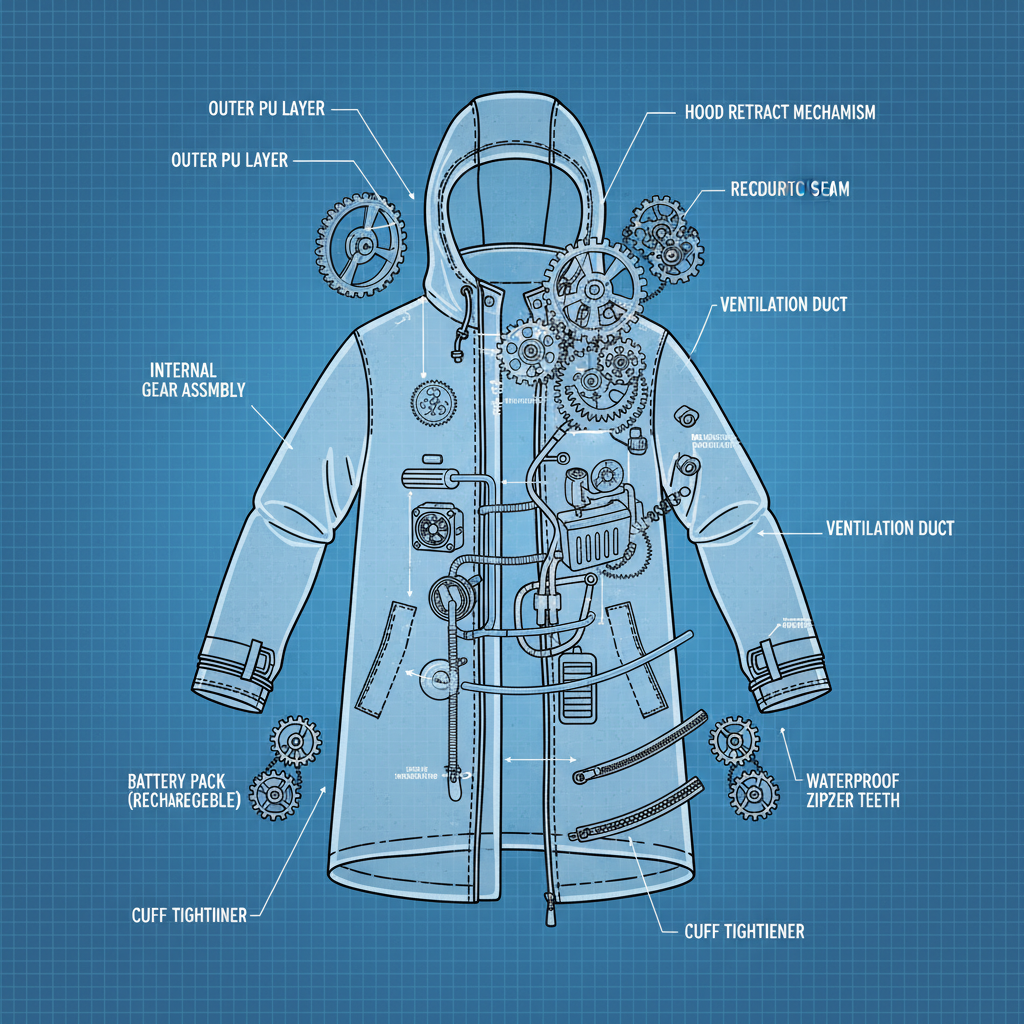
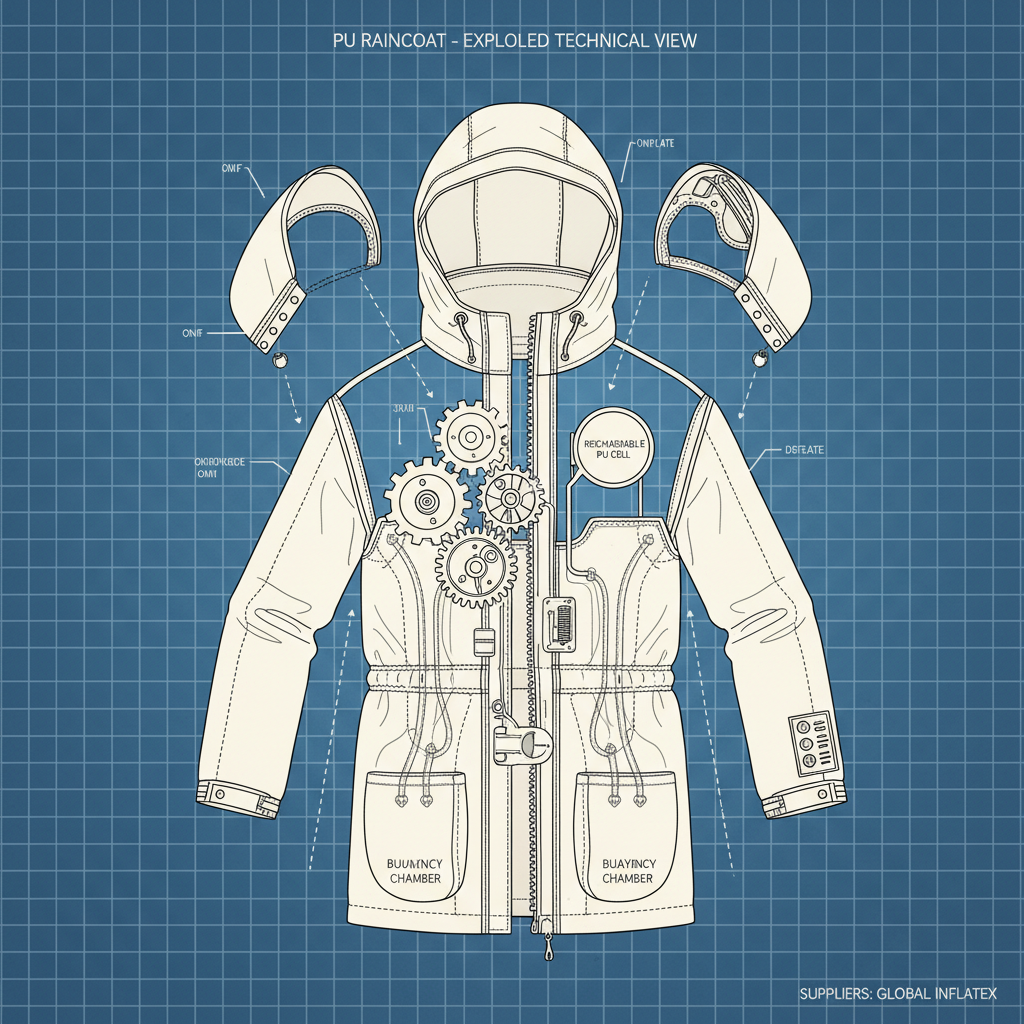
To be honest, finding reliable pu raincoat Suppliers isn't easy. A lot of them are middlemen. You think you're dealing with a manufacturer, but they're just reselling someone else’s stuff. I encountered this at a factory in Zhejiang province last time. They were claiming to have their own PU coating line, but the machinery was… suspiciously clean. And the smell… it smelled like they hadn’t used it in months.
There’s a real push for suppliers who can handle smaller orders, too. People aren’t ordering in the massive quantities they used to. They want flexibility, and quick turnaround times. Which means the suppliers need to be nimble. And a lot of them aren’t. They're geared up for volume, not customization.
To maximize the lifespan of your PU raincoat, avoid machine washing and drying whenever possible. Hand washing with mild detergent is preferred. Hang it to dry in a well-ventilated area, away from direct sunlight. Regularly re-waterproof the fabric, especially after frequent use, using a spray-on PU coating refresher. Store it loosely, not tightly packed, to prevent cracking.
PU itself isn't naturally very breathable. This can lead to sweating and discomfort during prolonged use. To improve breathability, look for raincoats with ventilation features like pit zips or mesh linings. Alternatively, consider raincoats made from more breathable materials like Gore-Tex or other waterproof-breathable membranes, though they’re often more expensive.
For construction, durability is key. Prioritize a raincoat made with a higher denier nylon PU, reinforced seams, and a sturdy zipper. Look for features like an adjustable hood and cuffs to provide a secure fit. Consider a longer length for added coverage. A darker color will also hide dirt and grime better.
A thicker PU coating generally offers better waterproofing, but can also make the fabric stiffer and less comfortable. A balance is needed. Coatings between 20-35 microns are generally suitable for most applications. Higher micron counts are ideal for extreme conditions, while lower counts prioritize flexibility and comfort for lighter use.
Traditional PU production involves petroleum-based chemicals, raising environmental concerns. However, bio-based PU options are emerging, using renewable resources. Look for suppliers who prioritize sustainable manufacturing practices and responsible waste management. Recycled PU materials are also becoming increasingly available.
Small tears can often be repaired with a PU patch and adhesive. Leaks along seams can sometimes be fixed with seam sealant. However, extensive damage may require professional repair or replacement. Prevention is best - choose a durable raincoat and handle it with care to minimize the need for repairs.
Ultimately, it all comes down to practicality. We can talk about specs and materials all day long, but the real test is whether the raincoat keeps you dry and comfortable in the field. It’s about finding the right balance between durability, waterproofing, breathability, and cost. There's no perfect raincoat, just the one that best suits the job.
And remember, the worker tightening the screw is the ultimate judge. He'll know immediately if the material is flimsy, the seams are weak, or the design is just plain impractical. Listen to the guys on the ground. They’ll tell you what works and what doesn’t. After all, they’re the ones wearing it, day in and day out. Visit our website: pu raincoat Suppliers
Hit enter to search or ESC to close