Premium polyurethane raincoat Solutions for Zimbabwe

Premium polyurethane raincoat Solutions for Zimbabwe

Engineered for extreme durability and waterproof performance to withstand the unique climatic challenges of the Zimbabwean landscape.

Premium polyurethane raincoat Solutions for Zimbabwe

Providing high-performance weather protection through advanced woven garment manufacturing, specifically tailored for the industrial and commercial needs of the Zimbabwean market.

Current Landscape of Weatherwear in Zimbabwe

Analyzing the demand for high-grade waterproof apparel in Southern Africa.

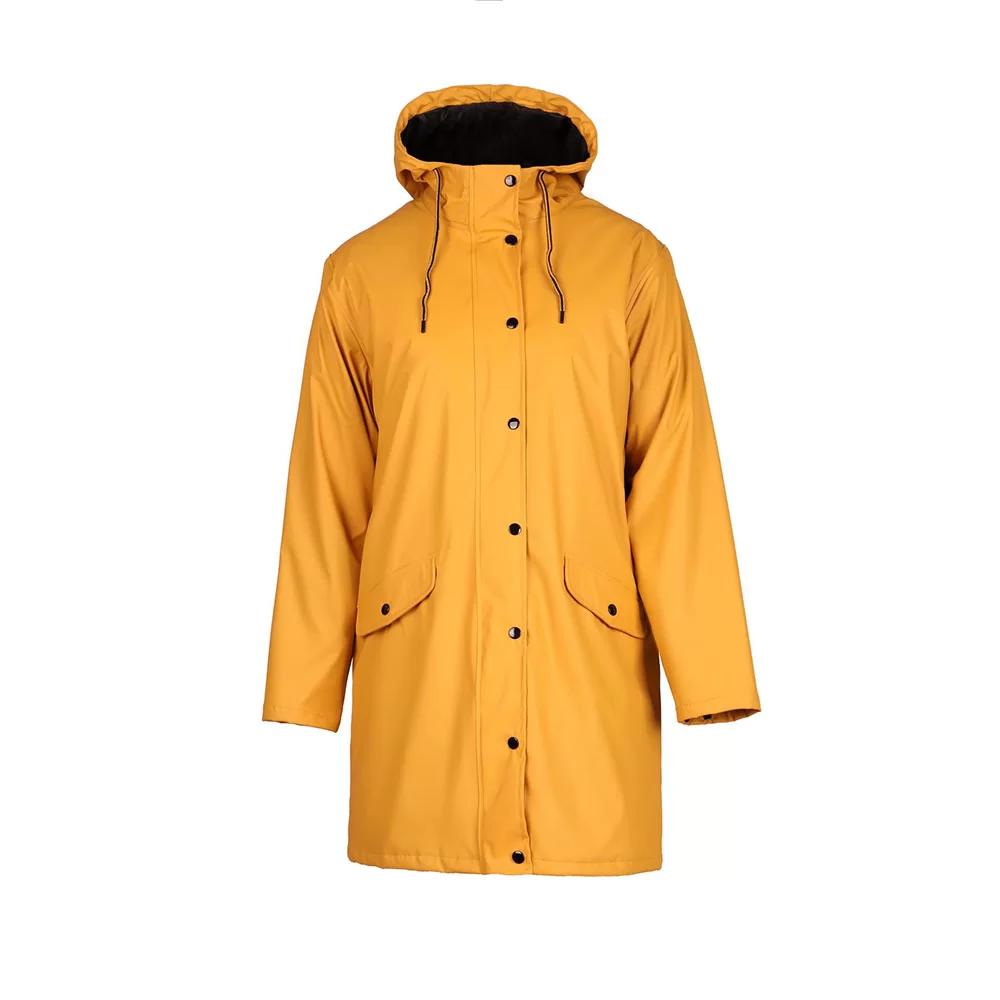
Zimbabwe experiences distinct wet seasons with intense rainfall, creating a critical demand for reliable pu rainwear. Currently, the local market is bifurcated between low-cost, short-lived plastics and expensive imported brands, leaving a significant gap for durable, industrial-grade polyurethane solutions.

The agricultural and mining sectors, which are the backbone of the Zimbabwean economy, require specialized gear that can resist both heavy precipitation and abrasive environments. Traditional rainwear often fails due to seam leakage and material degradation under the strong UV radiation prevalent in the region.

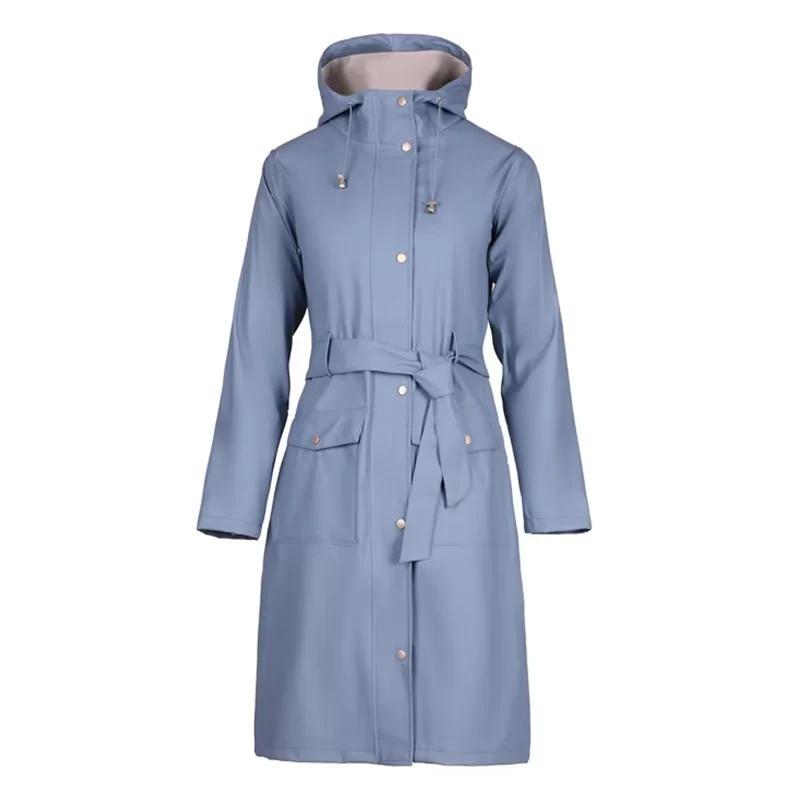
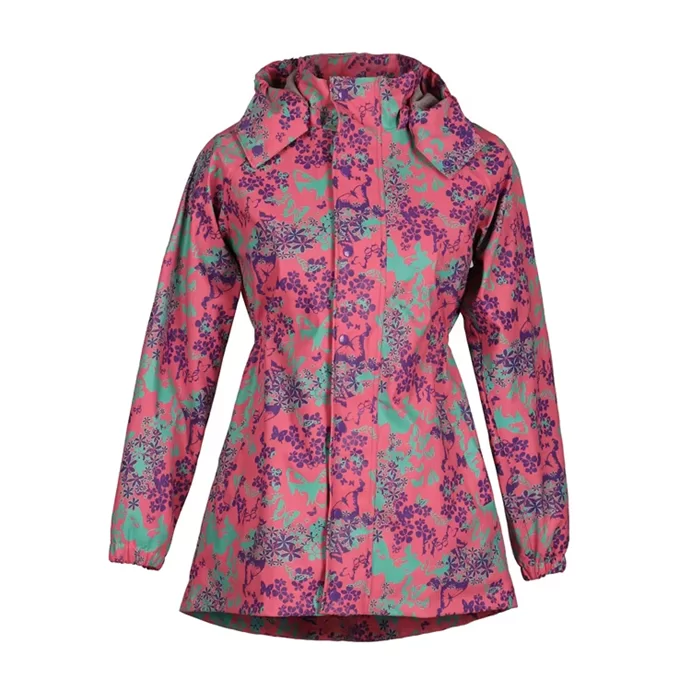
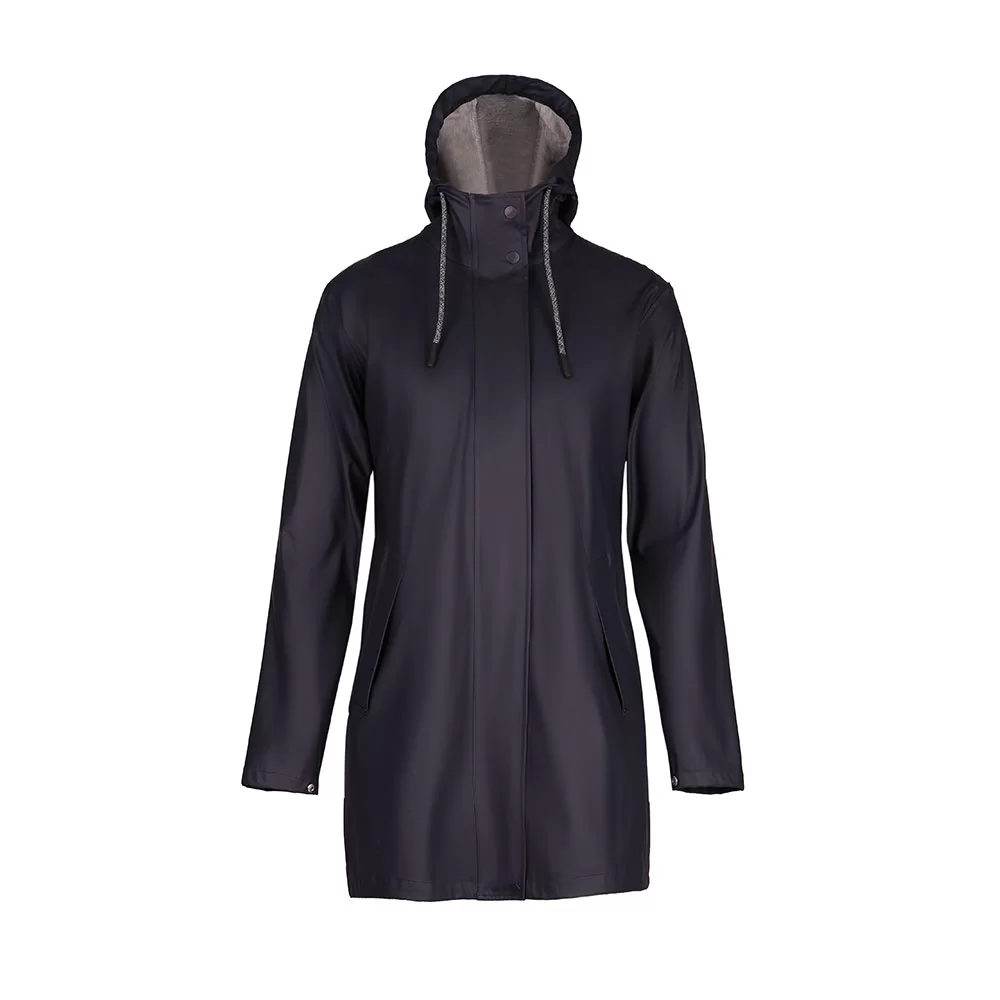
Furthermore, there is a growing trend toward professional attire, where ladies pu raincoats are increasingly sought after for urban commuting in cities like Harare and Bulawayo, demanding a blend of aesthetic appeal and technical waterproof performance.
Evolution of Waterproof Manufacturing

From basic PVC coatings to advanced thermoplastic polyurethane (TPU) technology.

Market Development History

In the early 2000s, the Zimbabwean market relied heavily on heavy PVC-coated fabrics. While waterproof, these materials were non-breathable and prone to cracking in the fluctuating temperatures of the highveld region.

Around 2010-2015, the industry shifted toward lightweight polyester with basic PU coatings. This period saw the introduction of the first generation of pu raincoat products that offered better flexibility but lacked the long-term hydrothermal stability required for heavy industrial use.

From 2018 to the present, the transition to high-density woven fabrics laminated with premium polyurethane has occurred. This iteration focuses on "breathable waterproofness," significantly enhancing wearer comfort during the humid Zimbabwean summer rains.

Future Development Trends

Eco-Friendly Bio-PU Integration

Moving toward sustainable chemistry to reduce the environmental footprint of rainwear production in line with global green initiatives.

Smart Thermal Regulation

Integration of phase-change materials within the PU layer to manage body temperature during sudden weather shifts.

Ergonomic Femine Fit

Increased investment in tailored patterns for ladies polyurethane raincoats to ensure maximum mobility without compromising waterproof integrity.

Industry Trends and Future Outlook

Predicting the trajectory of the woven waterproof garment sector.

Material Longevity
Shift toward high-tear strength PU fabrics to reduce replacement cycles in mining zones.
Customization Surge
Demand for tailored sizes and corporate branding for Zimbabwe's logistics firms.
Hyper-Waterproofing
Adoption of ultrasonic seam welding to replace traditional stitching.
Urban Integration
Fusion of fashion and function, specifically for the growing professional sector.

Industry Outlook

Based on search trend logic and regional economic growth, we expect a 15% annual increase in demand for technical rainwear in Zimbabwe over the next 3-5 years. The shift is moving away from disposable gear toward "investment pieces" that offer longevity.

The integration of lightweight yet high-density polyurethane will dominate, as consumers seek protection that doesn't impede movement in the heat. We anticipate a surge in the B2B segment, where companies invest in standardized, high-quality protective gear for their workforce.

Localized Application Scenarios in Zimbabwe

Practical use cases for our waterproof solutions across various Zimbabwean environments.

1. Agricultural Field Operations

During the maize and tobacco farming seasons, farmers require durable pu rainwear that allows for agility in the fields while providing absolute protection from torrential summer rains.

2. Mining Sector Protection

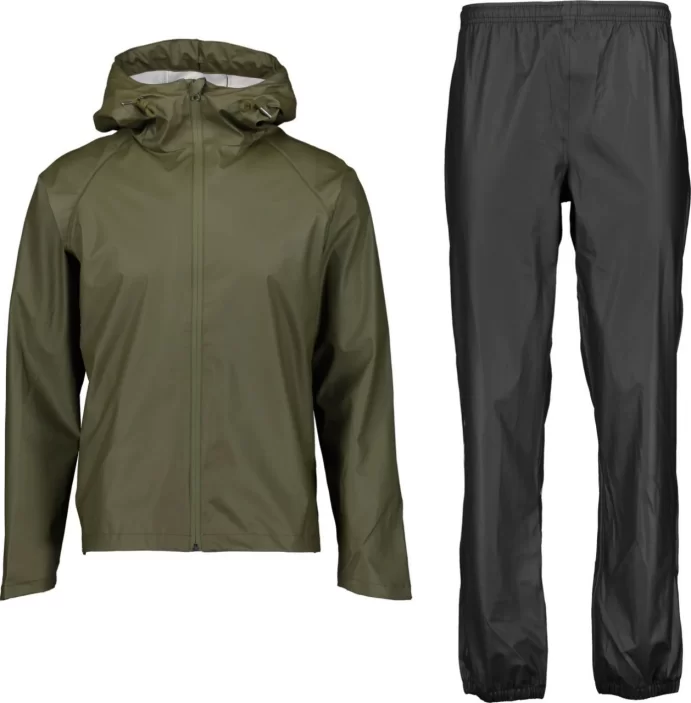
Workers in the Great Dyke mining region use reinforced polyurethane gear to protect against acidic runoff and heavy rain, ensuring safety and health in harsh industrial conditions.

3. Urban Professional Commuting

In Harare, the demand for ladies pu raincoats has spiked among corporate professionals who need to maintain a polished look while navigating rain-slicked city streets.

4. Logistics and Delivery Services

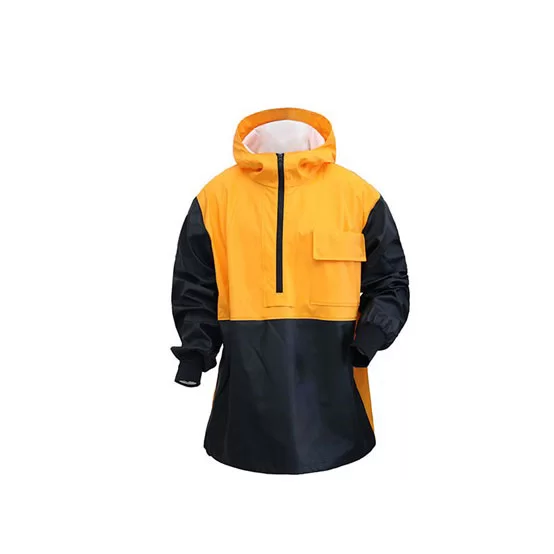
Courier and delivery personnel utilize high-visibility PU raincoats to ensure safety and dry conditions during the delivery of essential goods across the Zimbabwean provinces.

5. Outdoor Tourism and Safari Guides

Safari guides in Hwange and Mana Pools rely on breathable waterproof gear that can withstand the moisture of the bush without causing overheating in the tropical climate.

Brand Story

Global Development Journey of Cangzhou Jiujiang Import and Export Trade Co., Ltd.

Foundational Excellence

Established with a vision to revolutionize the woven garment industry, focusing on the precise fusion of textile strength and waterproof chemical coating.

Technical Breakthroughs

Perfected the proprietary PU lamination process, solving the industry pain point of "stiff" waterproof fabrics and introducing flexible, durable alternatives.

Global Expansion

Extended our reach into African markets, adapting our manufacturing standards to meet the rigorous demands of diverse climatic zones.

Quality Standardization

Implemented ISO-certified quality controls to ensure every single garment meets international standards for waterproof head-pressure and tear resistance.

Sustainable Future

Now leading the transition toward eco-friendly polyurethane, ensuring the protection of our customers and the planet.

Comprehensive Waterproof Portfolio for Zimbabwe

A curated selection of high-performance gear designed for every professional and personal need.

Frequently Asked Questions in Zimbabwe

Expert answers to common queries regarding PU rainwear performance.

How does a polyurethane raincoat perform in Zimbabwe's high UV conditions?

Our PU materials are treated with UV stabilizers to prevent the cracking and peeling common in low-grade plastics, ensuring a longer lifespan under the strong Southern African sun.

Are ladies pu raincoats breathable for humid weather?

Yes, we use a microporous PU membrane that allows moisture vapor to escape from the inside while blocking liquid water from entering, keeping the wearer dry and comfortable.

What is the difference between standard pu rainwear and PVC gear?

PU is significantly lighter, more flexible, and more durable than PVC. It doesn't become brittle in cold weather nor sticky in high heat, making it ideal for the Zimbabwean climate.

Can I customize the thickness of the polyurethane raincoat for industrial use?

Absolutely. We offer various denier counts for the base woven fabric and different micron thicknesses for the PU coating to balance weight and durability based on your industry.

How should I maintain my ladies polyurethane raincoats to ensure longevity?

We recommend cleaning with a damp cloth and mild soap. Avoid harsh chemical solvents and store in a cool, dry place away from direct sunlight when not in use.

Does your pu raincoat range include high-visibility options for safety?

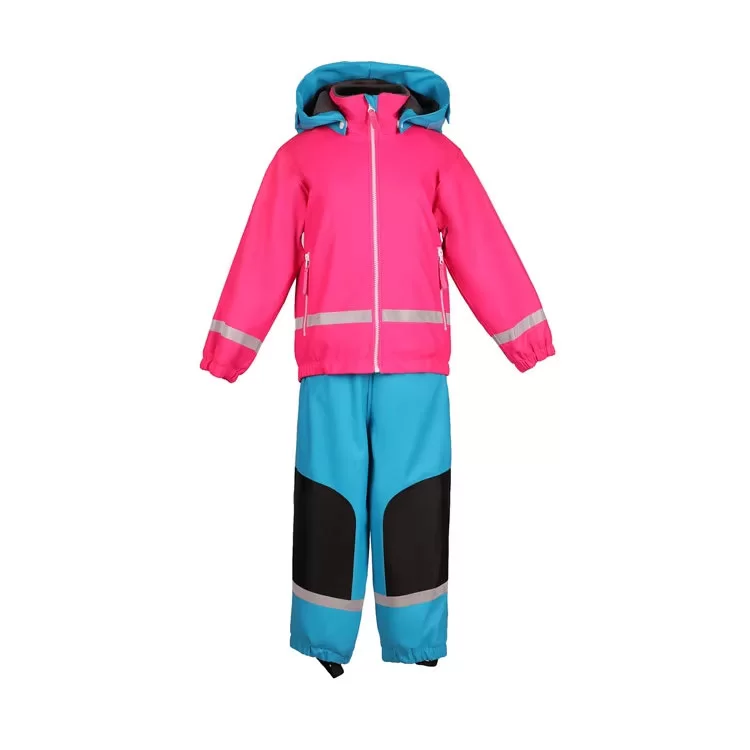
Yes, we provide a full range of neon-colored PU fabrics with reflective striping that meets international safety standards for visibility in rain and fog.

Request Your Custom Quote

Get in touch with our experts to find the perfect waterproof solution for your business needs in Zimbabwe.

Contact Us Now
Leave Your Message

If you are interested in our products, you can choose to leave your information here, and we will be in touch with you shortly.