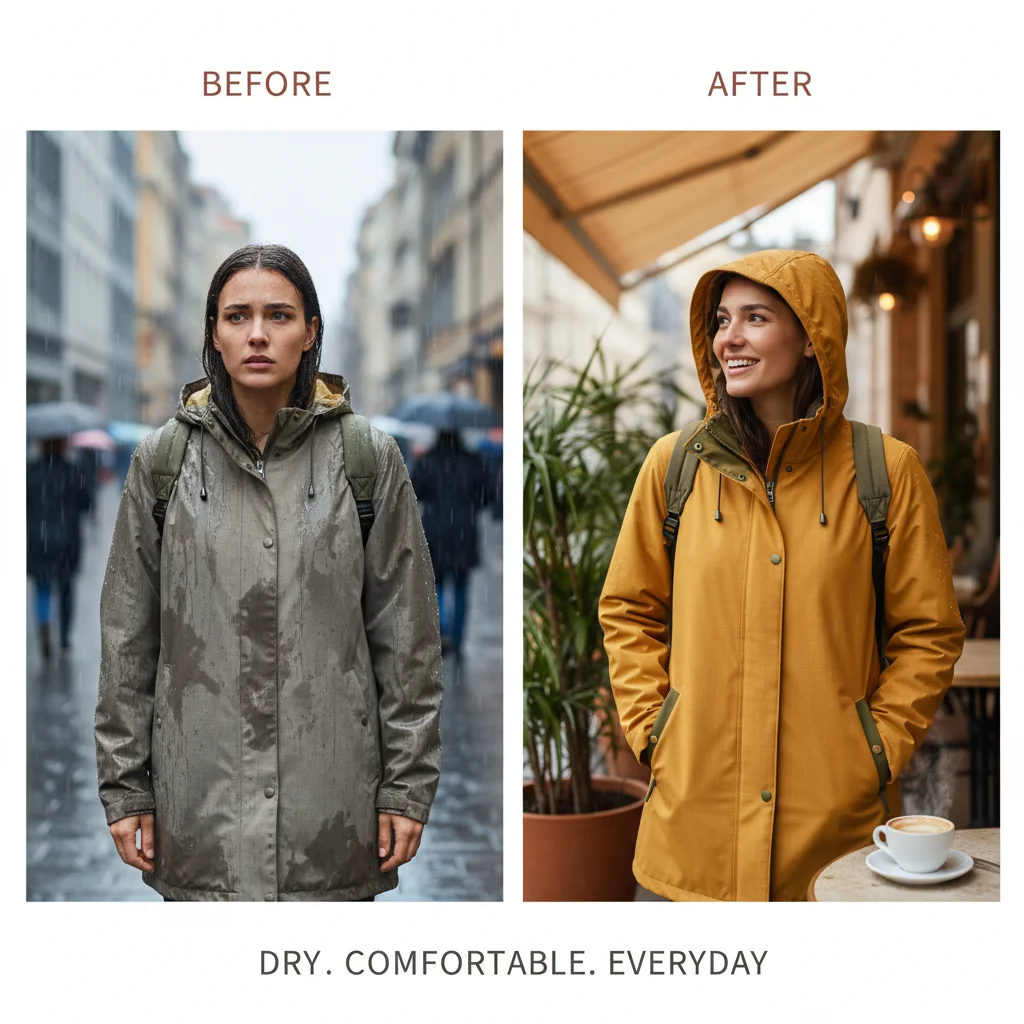
Choosing the right protective gear is essential for navigating unpredictable weather, and the mens long rain coat stands as a cornerstone of functional outerwear. By blending extended coverage with advanced waterproofing, these garments ensure that the wearer remains dry from shoulder to calf, preventing the discomfort of soaked trousers during heavy downpours.
In the global textile industry, the demand for high-performance rainwear has surged as urban professionals and outdoor enthusiasts seek a balance between aesthetic appeal and rugged utility. A high-quality mens long rain coat is not merely a fashion choice but a technical tool designed to withstand extreme precipitation while maintaining breathability.
Understanding the nuances of fabric construction, seam sealing, and ergonomic design allows consumers to invest in pieces that offer long-term value. This guide explores the technical evolution and practical applications of the mens long rain coat, providing a comprehensive look at why this specific silhouette remains the gold standard for wet-weather protection.

Global Relevance of the Mens Long Rain Coat
Across the globe, the volatility of weather patterns has increased the reliance on specialized outerwear. In regions like Northern Europe and East Asia, where monsoon seasons and persistent drizzle are common, the mens long rain coat is an essential piece of equipment. Market data suggests a growing trend toward "technical minimalism," where users prefer a single, high-performance long coat over multiple layers of shorter jackets.
The global shift toward sustainable urban mobility, including walking and cycling, has further amplified the need for full-body protection. When commuting in a city, a standard jacket leaves the lower body exposed; however, the extended length of a dedicated rain coat ensures that professional attire remains pristine, solving the common problem of "wet-hem syndrome" experienced by millions of commuters daily.
Defining the Technical Standards of Long Rainwear
At its core, a mens long rain coat is a specialized garment engineered to provide an impermeable barrier against water while allowing internal moisture (vapor) to escape. Unlike a basic windbreaker, a true long rain coat utilizes high-denier fabrics treated with Durable Water Repellent (DWR) coatings or integrated with breathable membranes like PTFE or polyurethane.
From an industrial perspective, the "long" designation is critical. It refers to a silhouette that typically extends to the mid-calf or ankle, significantly increasing the surface area of protection. This design is rooted in the need for maximum coverage in high-wind rain scenarios, where water is driven horizontally, rendering shorter garments ineffective.
Modern iterations of these coats have evolved from heavy, rubberized fabrics to lightweight, high-tenacity polymers. This transition has allowed the mens long rain coat to transition from purely industrial safety gear to a versatile fashion statement that fits seamlessly into a corporate or casual wardrobe.
Core Components of Premium Rain Protection
The effectiveness of a mens long rain coat begins with its material composition. High-grade polyester or nylon blends are often used to ensure the garment is tear-resistant and lightweight, providing the durability required for daily wear in harsh environments.
Crucial to the performance of the mens long rain coat is the implementation of heat-sealed seams. Without taped seams, water eventually penetrates the stitching holes, regardless of how waterproof the fabric is. This technical detail is what separates professional-grade rainwear from consumer-level fashion.
Furthermore, ergonomic features such as adjustable storm hoods, deep waterproof pockets, and reinforced cuffs enhance the utility of the mens long rain coat. These additions ensure that the wearer can customize the fit to block wind drafts and keep electronic devices secure and dry.
Practical Applications Across Diverse Climates
The versatility of the mens long rain coat makes it indispensable across various professional sectors. In maritime environments and port operations, these coats provide a critical shield against salt spray and torrential rain, ensuring workers maintain core body temperature and avoid hypothermia.
In urban settings, the long silhouette is preferred by those who rely on public transport or walking. By covering the majority of the body, it eliminates the need for umbrellas in moderate wind, allowing for hands-free movement while ensuring that the trousers—often the hardest part of an outfit to dry—remain completely protected.
Performance Comparison of Long Rainwear Types
Long-Term Value and Sustainability Benefits
Investing in a premium mens long rain coat offers significant economic value over time. While the initial cost may be higher than disposable rain ponchos, the durability of high-denier fabrics and reinforced stitching means the garment can last for several seasons, reducing the frequency of replacement and lowering the overall cost per wear.
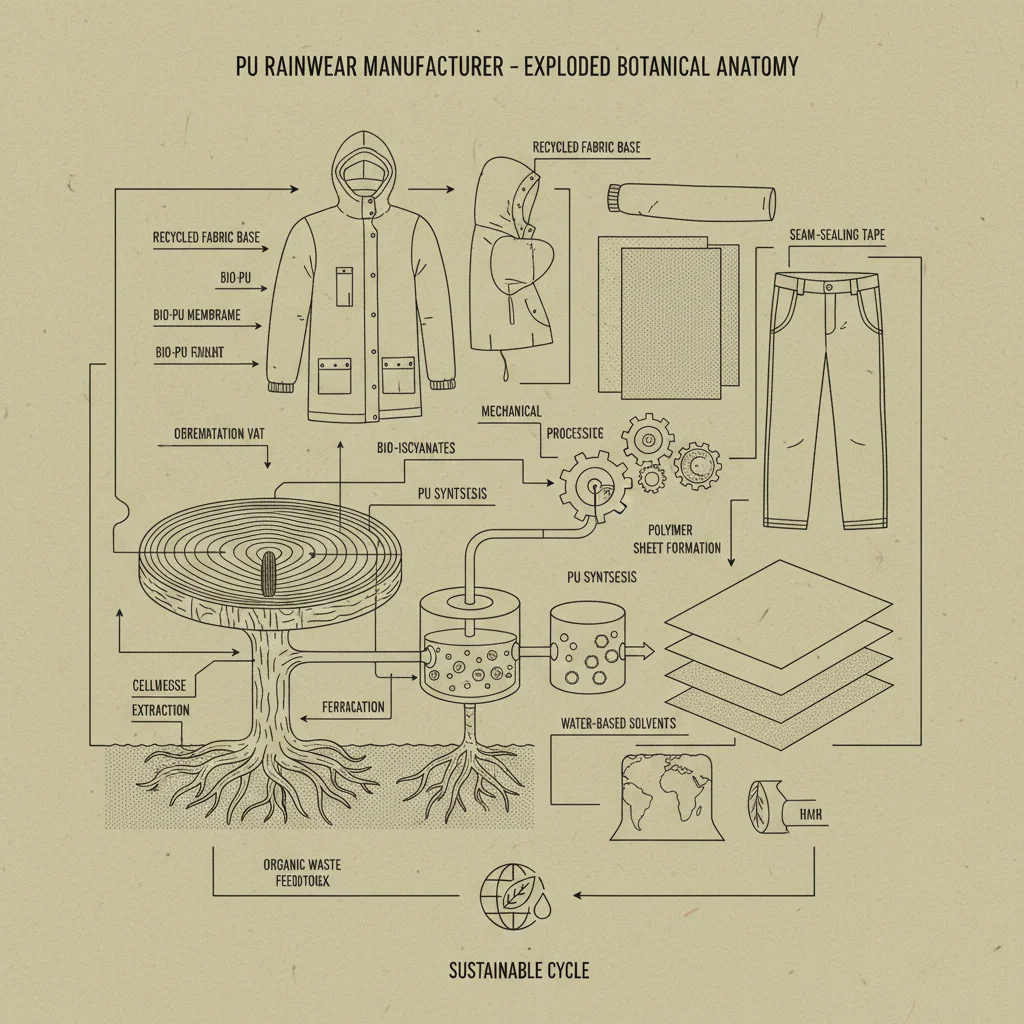
From a sustainability perspective, the industry is moving toward PFC-free DWR treatments to reduce environmental toxicity. A well-made mens long rain coat crafted from recycled polyester not only protects the wearer but also minimizes the carbon footprint associated with textile waste, aligning personal protection with ecological responsibility.
Future Innovations in Waterproof Textiles
The future of the mens long rain coat lies in the integration of "smart" textiles. Researchers are currently developing hydrophobic surfaces inspired by the lotus leaf effect, which could lead to coats that are completely stain-resistant and require zero chemical coatings to remain waterproof.
Additionally, we are seeing the rise of adaptive breathability. Future coats may feature membranes that open their pores as body temperature rises and close them when the external rain intensity increases, providing a dynamic microclimate for the wearer regardless of the activity level.
Automation in the manufacturing process, such as ultrasonic welding, is also replacing traditional sewing. This ensures that the mens long rain coat has zero leak points, as the fabric is fused together at a molecular level, creating a seamless and truly waterproof shell.
Overcoming Common Rainwear Challenges
One of the primary complaints regarding traditional long rainwear is the "sauna effect," where the wearer feels trapped in humidity. To solve this, modern mens long rain coat designs incorporate underarm vents and back yokes that allow air to circulate without letting rain in.
Another challenge is mobility, as long garments can often feel restrictive. The solution lies in the implementation of 3D articulated joints and side-slits, which allow the wearer to stride naturally or sit in a vehicle without the fabric bunching or pulling.
Finally, the weight of heavy-duty rubber coats can be exhausting. By transitioning to multi-layer laminates, the mens long rain coat now provides the same level of protection as old-school rubber gear but at a fraction of the weight, enhancing user comfort for long-duration wear.
Technical Analysis of Mens Long Rain Coat Material Performance
| Material Type | Waterproof Level | Breathability Score | Durability Rank |
|---|
| Heavy PVC | Extreme | Low (2/10) | High |
| Gore-Tex Pro | Very High | Excellent (9/10) | Very High |
| PU Coated Nylon | High | Medium (5/10) | Medium |
| Waxed Cotton | Moderate | Low (3/10) | Extreme |
| Recycled PET | High | High (7/10) | Medium |
| Lightweight EVA | Moderate | Medium (4/10) | Low |
FAQS
The primary advantage is the extended coverage. A mens long rain coat protects the thighs and knees, which are typically exposed in standard jackets. This prevents rain from soaking into trousers, which not only keeps the wearer warmer but also ensures that professional clothing remains dry during commutes.
Look for mentions of a "breathable membrane" (like ePTFE) or a moisture vapor transmission rate (MVTR) rating. If the coat is made of solid PVC, it will not be breathable. High-quality long coats often include ventilation flaps or underarm zips to facilitate airflow.
Yes, provided it is used as an outer shell. Because the long coat blocks wind and rain, it prevents the "wind chill" effect. For freezing weather, it is recommended to layer a fleece or down jacket underneath the rain coat to provide the necessary thermal insulation.
To maintain the DWR (Durable Water Repellent) coating, avoid washing the coat too frequently. When cleaning, use a specialized technical wash rather than standard detergents, which can strip the coating. Occasionally tumble drying on low heat can "reactivate" some water-repellent finishes.
Yes, but look for specific cycling-friendly features. A mens long rain coat with a higher back hem (to cover the saddle) and side slits for leg movement is ideal. Ensure the coat has reflective strips for safety and a secure hood that doesn't obstruct peripheral vision.
For a professional appearance, a matte-finish polyurethane or a high-density nylon blend is best. These materials provide a sleek, tailored silhouette that looks more like a traditional trench coat while offering the technical waterproofing of a performance rain coat.
Conclusion
The mens long rain coat represents a perfect marriage of industrial utility and modern design. By focusing on key technical aspects—such as sealed seams, breathable membranes, and extended length—these garments provide unparalleled protection against the elements. Whether for professional commuting or demanding outdoor work, the long silhouette ensures total body dryness and thermal stability, making it a superior choice over traditional short-form rainwear.
As we move toward a future of sustainable textiles and smart fabrics, the evolution of the mens long rain coat will continue to prioritize both the user's comfort and the planet's health. We encourage investors and consumers to prioritize quality and technical specifications over fast-fashion alternatives to ensure long-term reliability. For premium rain protection solutions, visit our website: www.jjpuraincoat.com.