A rain jacket is more than just a piece of outerwear; it’s a critical element in protecting individuals from the elements, enabling activity and safety in inclement weather. Its significance extends across numerous sectors, from everyday commuting and outdoor recreation to professional industries and emergency response. Understanding the nuances of rain jacket construction, materials, and functionality is increasingly important in a world facing changing climate patterns and increased exposure to severe weather events. This understanding directly translates to improved comfort, enhanced safety, and increased productivity for individuals worldwide.
The global market for rain jackets is substantial and continuously evolving. Reports indicate a significant demand, particularly in regions with high precipitation levels and a growing emphasis on outdoor lifestyles. The industry is driven by innovation in waterproof and breathable fabrics, ergonomic designs, and sustainable manufacturing practices. According to industry analysis, the demand for high-performance rain jackets has steadily increased in recent years, fueled by a surge in outdoor activities and a greater awareness of the importance of reliable weather protection.
From the simplest plastic poncho to highly technical, multi-layered jackets, the rain jacket serves a fundamental human need – shelter from the rain. It’s a ubiquitous garment, appearing in wardrobes across the globe. The advancement in materials science has drastically improved the effectiveness and comfort of modern rain jackets, making them essential tools for individuals and organizations alike.
Defining the Core Attributes of a rain jacket
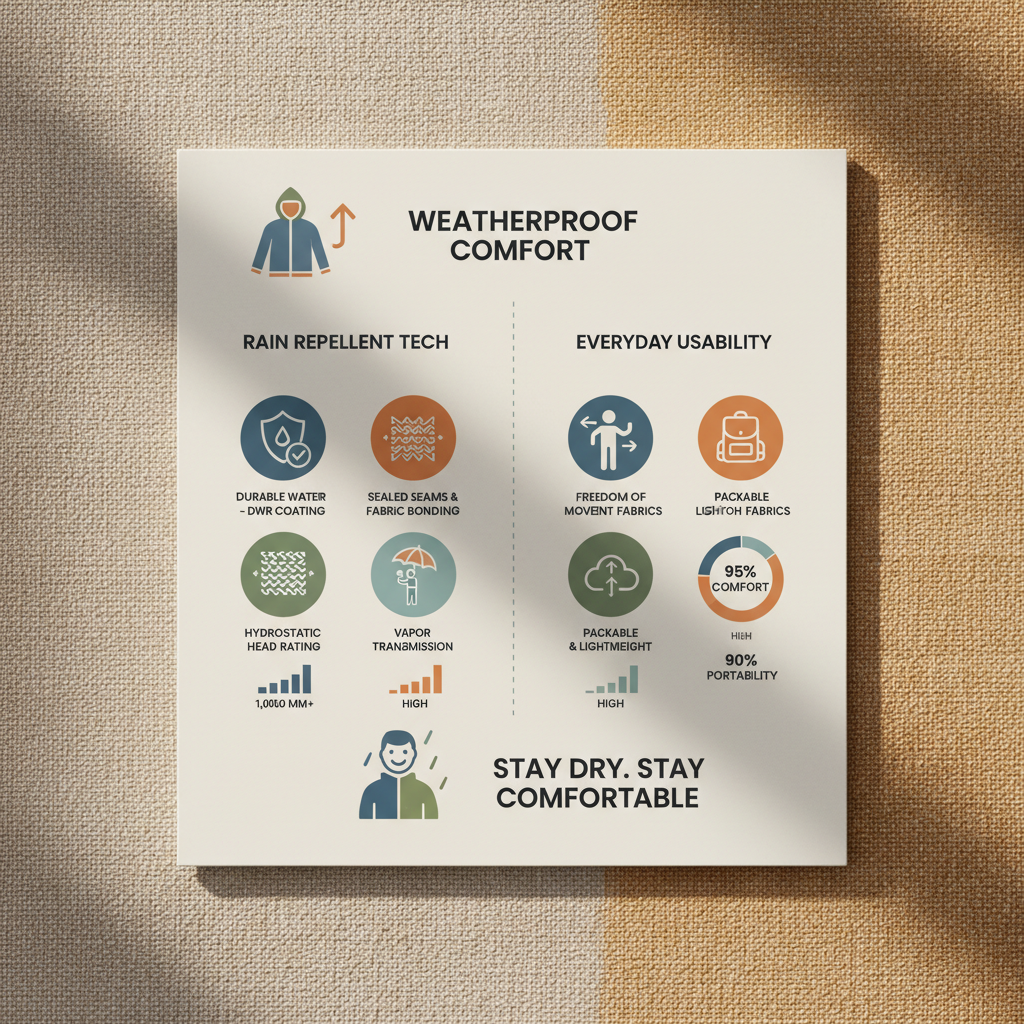
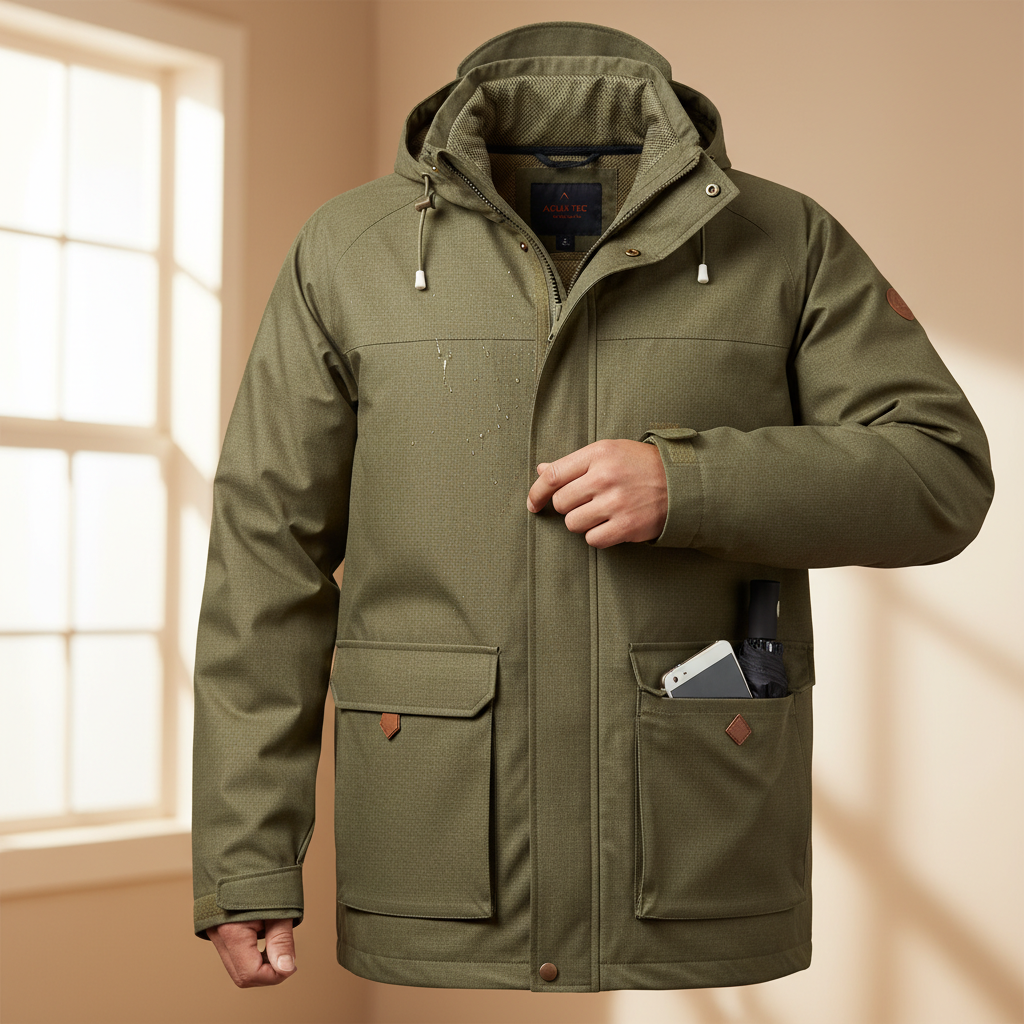
The fundamental attribute of any rain jacket is its ability to provide waterproof protection. This is achieved through a combination of fabric selection, construction techniques, and the application of waterproof coatings or membranes. However, a truly effective rain jacket also considers breathability, allowing moisture vapor to escape and preventing the buildup of condensation inside the garment. This balance between waterproofness and breathability is crucial for comfort during activity.
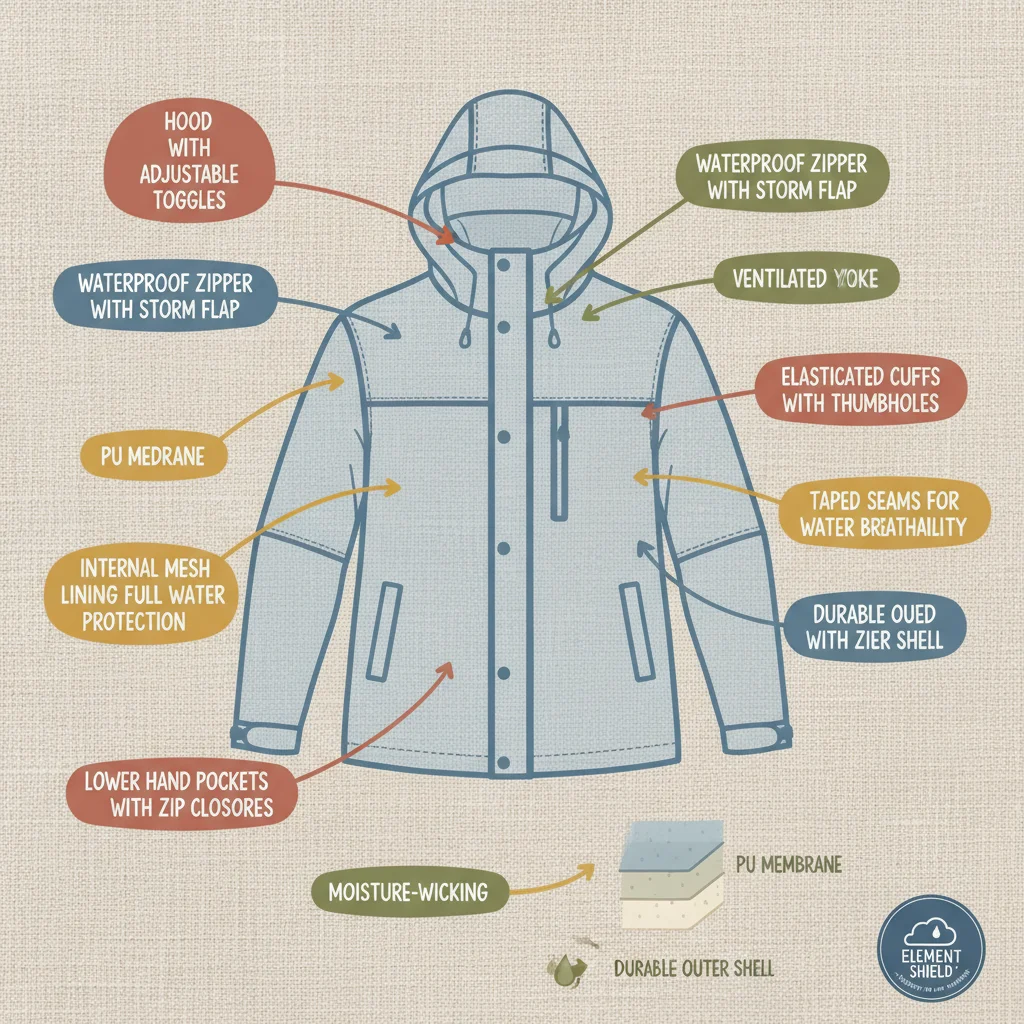
Beyond these core properties, key attributes include durability, weight, packability, and design. Durable rain jackets withstand abrasion and repeated use, while lightweight and packable options are ideal for travel and backpacking. Design elements like a hood, adjustable cuffs, and sealed seams further enhance the jacket’s protective capabilities.
Historical Evolution and Modern Context of rain jacket
Historically, protection from the rain relied on natural materials like oiled cloth and animal hides. These early forms of “rain jackets” were heavy, cumbersome, and offered limited protection. The development of rubberized fabrics in the 19th century marked a significant improvement, but these materials were often stiff and uncomfortable. The true revolution arrived with the advent of synthetic fabrics like nylon and polyester in the 20th century, paving the way for lighter, more durable, and effective rain jackets.
Today, the rain jacket industry is characterized by ongoing innovation. The introduction of waterproof-breathable membranes like Gore-Tex fundamentally changed the landscape, allowing for jackets that are both waterproof and comfortable. Modern materials are also increasingly focused on sustainability, utilizing recycled fabrics and eco-friendly manufacturing processes.
The modern context of rain jacket usage is incredibly diverse. Beyond practical protection, rain jackets have become integrated into fashion, outdoor adventure gear, and professional workwear, demonstrating their versatility and enduring appeal.
Key Materials and Construction Techniques in rain jacket
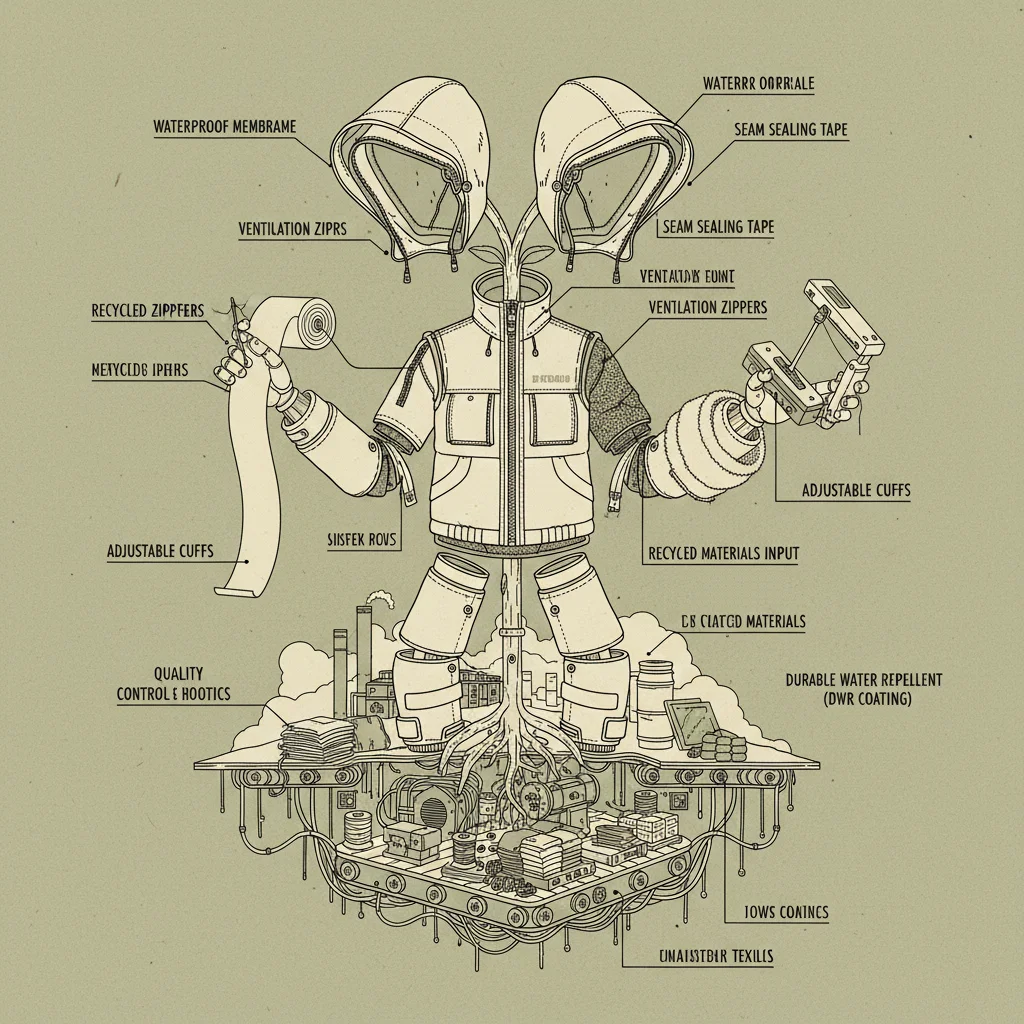
The choice of materials is paramount in rain jacket construction. Outer shell fabrics typically include nylon, polyester, or blends of both. Nylon offers excellent abrasion resistance, while polyester is known for its water resistance and affordability. These fabrics are often treated with a Durable Water Repellent (DWR) finish to enhance their ability to shed water.
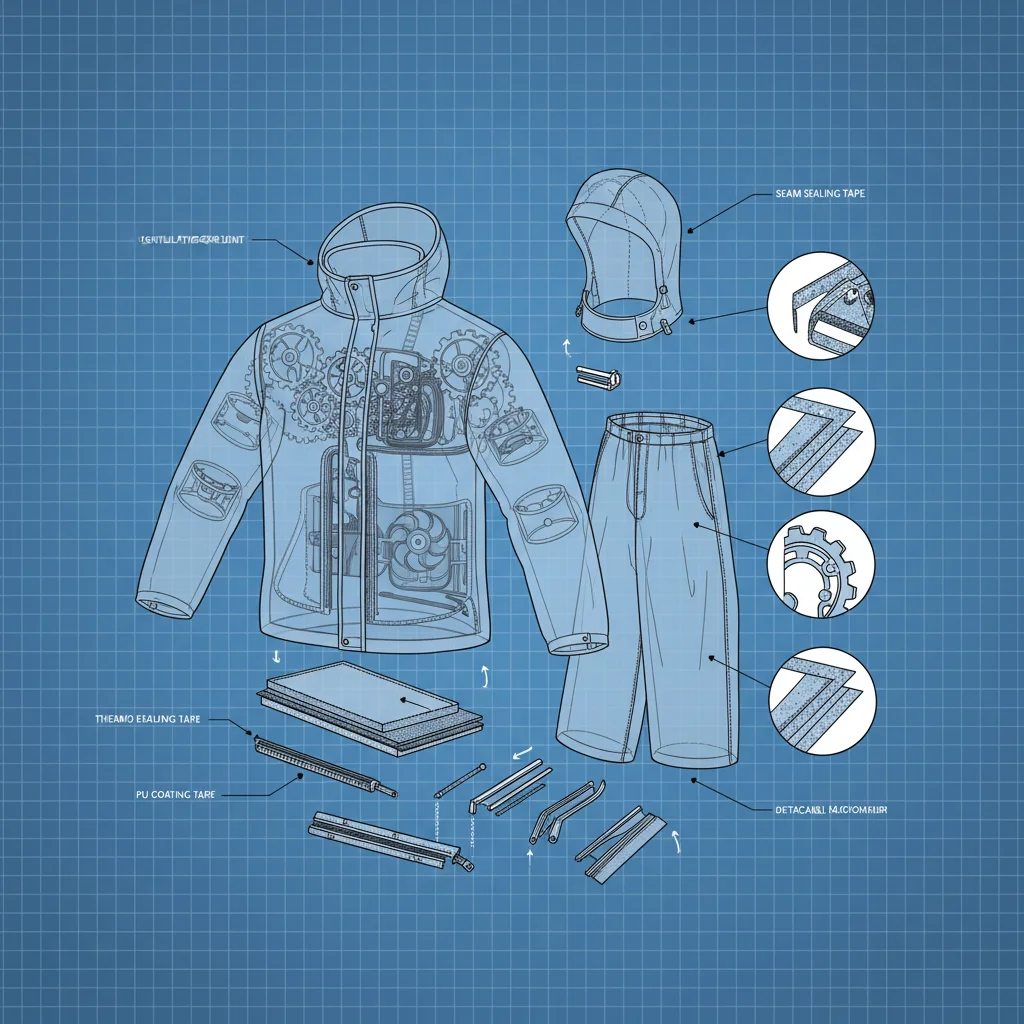
Waterproof membranes, such as Gore-Tex, Sympatex, and proprietary technologies, are crucial for providing a waterproof barrier while allowing moisture vapor to escape. These membranes are typically laminated to the outer shell fabric. Seam sealing is another critical step, preventing water from entering through the stitched seams. Taped seams are created by applying waterproof tape to the inside of the jacket.
Construction techniques also play a vital role. Fully seam-sealed construction, where all seams are taped, provides the highest level of waterproof protection. Articulated designs, with carefully placed seams and gussets, enhance freedom of movement. Reinforcements in high-wear areas, such as the shoulders and elbows, increase the jacket’s durability.
Performance Metrics: Evaluating rain jacket Effectiveness
Evaluating the effectiveness of a rain jacket relies on understanding key performance metrics. Waterproofness is typically measured in millimeters (mm) of water column, indicating the amount of water pressure the fabric can withstand before leaking. Breathability is often measured in grams of moisture vapor transmitted per square meter per 24 hours (g/m²/24h), indicating how effectively moisture can escape.
Durability is assessed through abrasion resistance tests, measuring the fabric’s ability to withstand wear and tear. Weight and packability are important considerations for activities like backpacking and travel. These metrics, combined with user feedback and field testing, provide a comprehensive assessment of a rain jacket’s overall performance.
Comparison of rain jacket Waterproofing Methods
Global Applications and Industries Utilizing rain jacket
The applications of rain jackets are incredibly broad. In outdoor recreation, they are essential for hiking, camping, climbing, and water sports. Professional industries, such as construction, forestry, and fishing, rely on rain jackets to protect workers from the elements. In post-disaster relief operations, durable and waterproof rain jackets provide vital protection for aid workers and affected populations.
Advantages of Advanced rain jacket Technologies
Advanced rain jacket technologies offer significant advantages. Waterproof-breathable membranes dramatically improve comfort, allowing for active use in wet conditions. DWR treatments enhance water repellency, causing water to bead up and roll off the fabric. Lightweight and packable designs increase convenience and portability.
These advancements translate to increased productivity, enhanced safety, and improved overall well-being for individuals in a wide range of environments. The ability to stay dry and comfortable in challenging weather conditions is a valuable asset in both professional and recreational settings.
Furthermore, modern materials are becoming increasingly sustainable, reducing the environmental impact of rain jacket production and consumption.
Future Trends and Innovations in rain jacket Development
The future of rain jacket development is focused on sustainability, enhanced performance, and smart technologies. Research is underway to develop bio-based waterproof membranes and fabrics made from recycled materials. Innovations in DWR treatments aim to eliminate harmful chemicals like PFCs.
Smart rain jackets incorporating sensors and connectivity are also emerging, offering features like temperature regulation, moisture monitoring, and GPS tracking. Advances in manufacturing techniques, such as 3D printing, could enable customized and on-demand production.
The integration of nanotechnology holds promise for creating even more durable, waterproof, and breathable fabrics, pushing the boundaries of rain jacket performance.
Summary of rain jacket Technology Challenges and Potential Solutions
| Challenge |
Impact on rain jacket Performance |
Potential Solution |
Implementation Timeline |
| DWR Treatment Degradation |
Reduced water repellency, leading to fabric saturation. |
Development of PFC-free DWR alternatives with improved durability. |
Short-Term (1-3 years) |
| Membrane Breathability Limitations |
Moisture buildup inside the jacket during high-intensity activity. |
Enhanced membrane pore structure for increased vapor permeability. |
Medium-Term (3-5 years) |
| Fabric Abrasion Resistance |
Premature wear and tear, compromising waterproofness. |
Use of stronger, more abrasion-resistant materials like ripstop nylon. |
Short-Term (1-3 years) |
| Seam Sealing Durability |
Tape detachment, allowing water leakage. |
Development of more adhesive and durable seam sealing tapes. |
Medium-Term (3-5 years) |
| Environmental Impact of Materials |
Contribution to pollution and resource depletion. |
Increased use of recycled and bio-based materials. |
Ongoing (Long-Term) |
| Cost of High-Performance Materials |
Limited accessibility for budget-conscious consumers. |
Optimized manufacturing processes and economies of scale. |
Medium-Term (3-5 years) |
FAQS
Waterproof rain jacket offer complete protection from water penetration, even under sustained pressure, making them ideal for severe weather. Water-resistant jackets repel water to a degree, but can become saturated in heavy rain. The key difference lies in the fabric and construction – waterproof jackets use membranes and taped seams, while water-resistant jackets rely on DWR treatments and tighter weaves.
Proper care is crucial. Regularly clean your rain jacket with a technical wash specifically designed for waterproof fabrics. Avoid using detergents, fabric softeners, or bleach. Periodically re-apply a DWR treatment to restore water repellency. Store your rain jacket in a cool, dry place, avoiding prolonged exposure to sunlight.
Breathability refers to the ability of a fabric to allow moisture vapor (sweat) to escape. A breathable rain jacket prevents you from feeling clammy and uncomfortable during activity. Breathability is measured in g/m²/24h – the higher the number, the more breathable the jacket. This is crucial for maintaining comfort during exertion.
DWR (Durable Water Repellent) is a coating applied to the outer fabric of a rain jacket to make water bead up and roll off. Over time, the DWR finish wears off. Reapply a DWR treatment every few washes, or when you notice the water is no longer beading up. This will help maintain the jacket’s water repellency.
Seam sealing is extremely important. Rain jacket are waterproof fabrics, but water can still penetrate through the tiny holes created by stitching. Seam sealing involves applying waterproof tape to the inside of the seams to create a watertight barrier. Fully seam-sealed rain jacket provide the highest level of waterproof protection.
Yes, increasingly there are. Look for rain jackets made from recycled materials (like recycled polyester) and those with PFC-free DWR treatments. Some brands are also exploring bio-based waterproof membranes. Choosing an eco-friendly rain jacket reduces your environmental impact.
Conclusion
In conclusion, the rain jacket has evolved from a simple protective garment to a technologically advanced piece of equipment essential for a diverse range of activities and industries. Its ability to provide waterproof protection, combined with advancements in breathability, durability, and sustainability, makes it an indispensable asset for individuals facing inclement weather. Understanding the core attributes, materials, and innovations driving the rain jacket market is crucial for making informed decisions and maximizing the benefits of this vital garment.
Looking ahead, continued innovation in materials science and manufacturing processes will drive further advancements in rain jacket technology. The focus on sustainability and eco-friendly materials will become increasingly important, aligning with global efforts to reduce environmental impact. By embracing these advancements, we can ensure that rain jackets continue to provide reliable protection and enhance our quality of life for years to come. Visit our website at www.jjpuraincoat.com to explore our range of high-performance rain jackets.