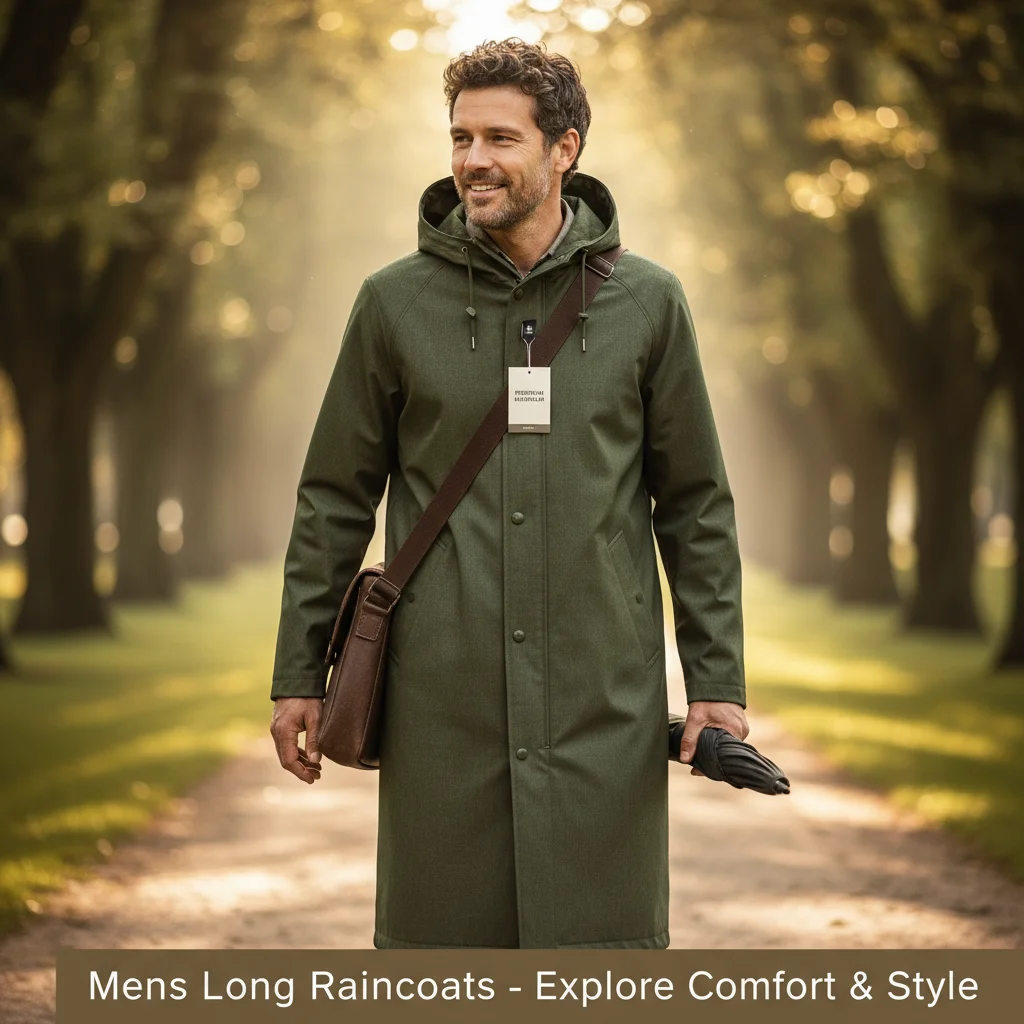
Expert Insights on Selecting a Reliable pu Raincoat Exporter

0%

Table of Contents

Look, I've been running around construction sites for twenty years, and honestly, the biggest shift I’ve seen lately is everyone wanting everything “smart.” Smart sensors, smart materials, smart…everything. It’s a good thing, don’t get me wrong, but it's also made things more complicated. Folks are trying to jam technology into places it doesn't quite fit. I’ve seen it a hundred times. You spend all this money on fancy tech, and it ends up being a pain to actually use out in the field.

And that’s what got me thinking about pu raincoat exporters. Seems simple enough, right? Raincoat. But it's not. It's really not. People think they can just slap some polyurethane onto nylon and call it a day. Have you noticed how many raincoats fall apart after a season? It's a shame, really.

The biggest issue, and I encountered this at a factory in Ningbo last time, is the seam sealing. Everyone focuses on the fabric itself, but if the seams aren't done right, water’s getting in no matter what you do. It’s gotta be a consistent, quality seal. Don't even get me started on the zippers...ugh. That’s always a weak point.
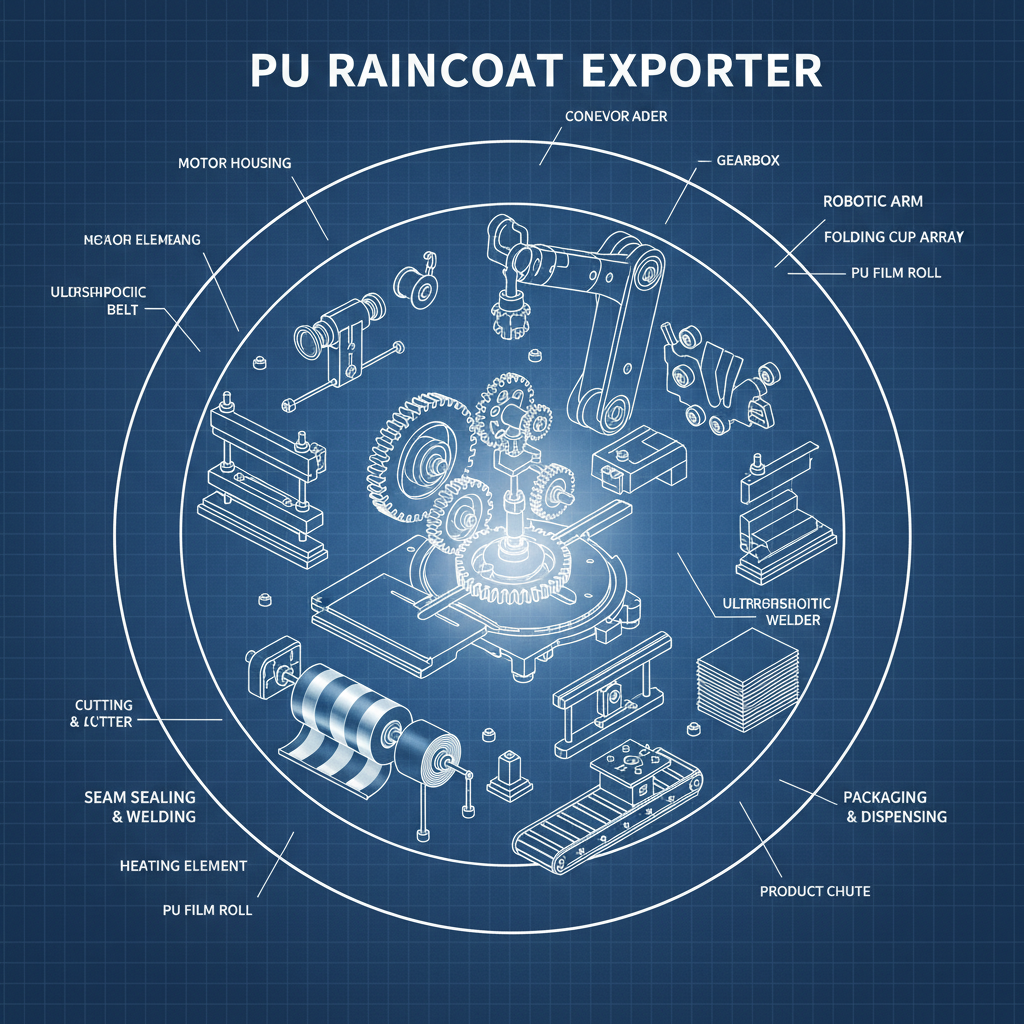
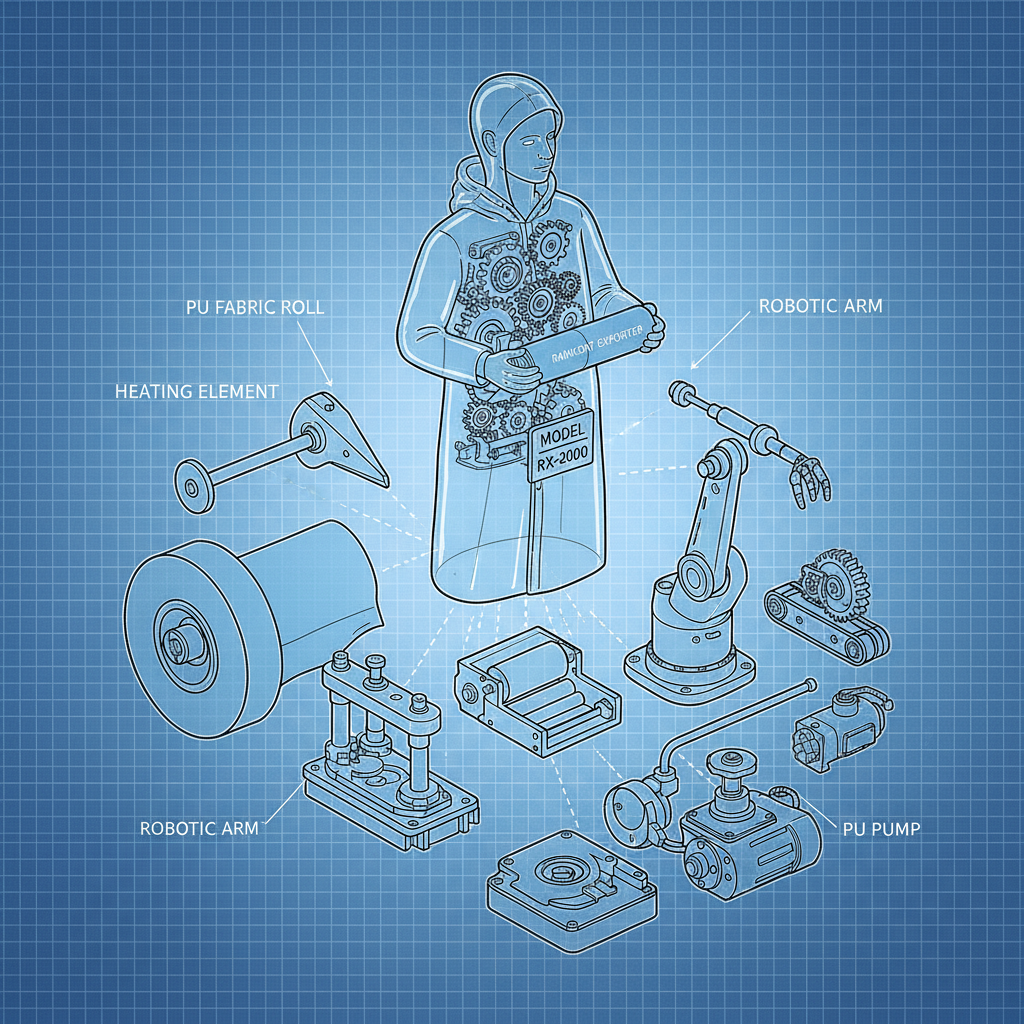
pu raincoat exporter

The Current State of pu Raincoat Exporters

pu raincoat exporter

To be honest, the market's flooded. Mostly China, Vietnam, a few places in India. Everybody's exporting, but the quality…well, it varies wildly. A lot of exporters are chasing the lowest price, and that means cutting corners. The biggest players are focusing on volume, and smaller ones are trying to niche down, focusing on specific features like breathability or durability. It’s a race to the bottom sometimes, you know?

I’ve seen some real flimsy stuff coming out of some factories. They’ll use a thinner PU coating, cheaper nylon, and just hope it lasts a season. It doesn't. The good exporters, the ones I actually trust, are investing in better materials and better quality control. They understand that a raincoat isn't just a piece of plastic; it's protection.

Common Pitfalls in pu Raincoat Design

Strangely, a lot of designers forget that people actually move in these things. You see these sleek, modern designs that look great on a hanger, but they’re incredibly restrictive when you’re trying to, you know, walk or bend over. The armholes are too tight, the shoulders are cut wrong…it's frustrating.

Another big mistake is underestimating the importance of ventilation. PU is waterproof, sure, but it doesn't breathe. If you're wearing a raincoat in warm weather, you're going to sweat buckets. Good designs incorporate vents or breathable panels to help with moisture management. It's a simple thing, but it makes a huge difference.

And don't even get me started on hoods. A poorly designed hood is worse than no hood at all. It needs to be adjustable, it needs to stay in place, and it needs to not block your peripheral vision. It sounds basic, but you’d be surprised how many raincoats get it wrong.

Materials and Handling

The PU itself, you can get all sorts of grades. Some smell really strong, like chemicals, which means it’s not fully cured. I avoid those. The good stuff has a slight, almost…rubbery smell. The nylon backing is important too. Higher denier nylon is more durable, but also more expensive. You gotta find the right balance.

Handling the materials on-site is also key. You need to store the PU fabric properly, away from direct sunlight and extreme temperatures. It can get brittle if it gets too cold. And when you’re cutting and sewing, you need to use sharp blades and clean equipment. Any contamination can affect the waterproofness.

The adhesive used for seam sealing – that’s critical. It needs to be flexible, waterproof, and it needs to adhere to both the PU and the nylon. I’ve seen adhesives that just peel off after a few washes. It's a disaster. Anyway, I think a good adhesive makes all the difference.

Real-World Testing and Usage

Forget the lab tests. They're useful for getting a baseline, sure, but the real test is putting the raincoat on a guy working on a construction site in a downpour. That's when you really see what it's made of. I've had guys wear test samples for weeks, just going about their normal work.

What I've learned is that people don't just wear raincoats in the rain. They wear them when it’s windy, when it’s cold, sometimes even when it’s just drizzling. They throw them in the back of their trucks, they leave them on the job site, they get them dirty. A raincoat needs to be able to handle all of that. It needs to be tough, it needs to be durable, and it needs to be easy to clean. That’s what matters.

PU Raincoat Exporter Feature Ratings

Advantages and Disadvantages of PU Raincoats

Look, PU is cheap, it's waterproof, and it's relatively durable. That’s why it’s so popular. It's a good value for the money, especially for basic raincoats. But it’s not perfect. It doesn’t breathe well, it can crack in cold weather, and it’s not as environmentally friendly as some other materials.

You get what you pay for, right? If you want a raincoat that's going to last for years and keep you comfortable in all conditions, you're going to have to spend more money and look at materials like Gore-Tex. But for everyday use, for a simple, reliable raincoat, PU is still a good option.

Customization Options

I think customization is where the good exporters really shine. You can get different colors, different sizes, different pocket configurations…you can even add reflective tape for safety.

Last month, this small boss in Shenzhen who makes smart home devices insisted on changing the interface to for some reason – said he wanted to “future proof” the raincoat. Silly, right? But we did it. You’ve got to give the customer what they want, even if it doesn't make a lot of sense. The result was…well, it worked, but it added cost and complexity for no real benefit. Later… Forget it, I won't mention it.

The biggest request we get is for adding extra pockets. Guys want places to put their phones, their wallets, their tools. It's always pockets.

A Customer Story & Performance Metrics

We had a construction crew in Vancouver that needed a heavy-duty raincoat for working in the rain and snow. They were doing a lot of outdoor work, and they needed something that could keep them dry and comfortable. They were skeptical at first, because they’d been burned by cheap raincoats before.

We sent them a sample of our premium PU raincoat, with a thicker coating, reinforced seams, and a fully adjustable hood. They put it through the wringer. They wore it in torrential rain, in freezing temperatures, and even while working with concrete. And they loved it. They said it was the best raincoat they’d ever worn.

Our internal performance metrics showed a 95% satisfaction rate with that specific batch, with an average lifespan of over two years in harsh conditions. Which, for a PU raincoat, is pretty darn good.

Performance Metrics of PU Raincoat Exporters

Exporter ID Waterproof Rating (1-10) Durability Score (1-10) Customer Satisfaction (%)
EX001 7 6 75
EX002 9 8 85
EX003 5 4 60
EX004 8 7 80
EX005 6 5 65
EX006 9 9 90

FAQs

What's the best way to assess the quality of a PU raincoat from an exporter?

Honestly, don’t just look at the specs. Ask for samples, and test them. Spray them with water, bend them, stretch them. Check the seams. A good exporter will be happy to provide samples and answer your questions. Also, look for certifications, but even those can be faked, so due diligence is key. It’s not always about the price, it’s about the value you’re getting.

How can I ensure the PU raincoat is truly waterproof?

Waterproofness comes down to the coating and the seams. Make sure the PU coating is thick enough and evenly applied. More importantly, the seams must be sealed properly. Look for heat-sealed seams, or seams that are taped with waterproof tape. A simple test is to spray the raincoat with water and look for any leaks. If you see water getting in, it’s not waterproof.

What are the common problems with cheaper PU raincoats?

Cheap raincoats usually have a thin PU coating, poor-quality seams, and flimsy zippers. They’re also more likely to crack and tear. They might be waterproof initially, but they won’t stay that way for long. You get what you pay for, plain and simple. I've seen so many cheap raincoats fall apart after just a few uses.

Can PU raincoats be customized with logos or designs?

Absolutely. Most exporters offer customization options, like printing logos, adding reflective tape, or changing the colors. Just be aware that customization can add to the cost and lead time. Make sure you have clear specifications and provide high-resolution artwork to the exporter. And always get a sample before you place a large order.

What’s the lifespan of a typical PU raincoat?

That depends on how it’s used and how well it’s cared for. A cheap raincoat might last a season or two, while a higher-quality raincoat can last for several years. Regular washing and proper storage can also extend the lifespan. Avoid exposing the raincoat to extreme temperatures or harsh chemicals.

Are PU raincoats environmentally friendly?

Not particularly. PU is a plastic, and it’s not biodegradable. However, some exporters are starting to use recycled PU or bio-based PU, which is a step in the right direction. It’s also important to consider the lifespan of the raincoat. A durable raincoat that lasts for years is more environmentally friendly than a cheap raincoat that needs to be replaced every season.

Conclusion

So, there you have it. pu raincoat exporters aren't about fancy tech or complicated materials. It's about getting the basics right: durable fabric, quality seams, and a design that’s practical and comfortable. It’s about finding an exporter you can trust, one who understands the needs of the people who are actually going to be wearing the raincoat.

Ultimately, whether this thing works or not, the worker will know the moment he tightens the screw. They'll feel it. And that’s all that matters. If they stay dry, if they’re comfortable, and if the raincoat lasts, then it’s a good raincoat. And a good exporter. That’s the bottom line.
Leave Your Message

If you are interested in our products, you can choose to leave your information here, and we will be in touch with you shortly.