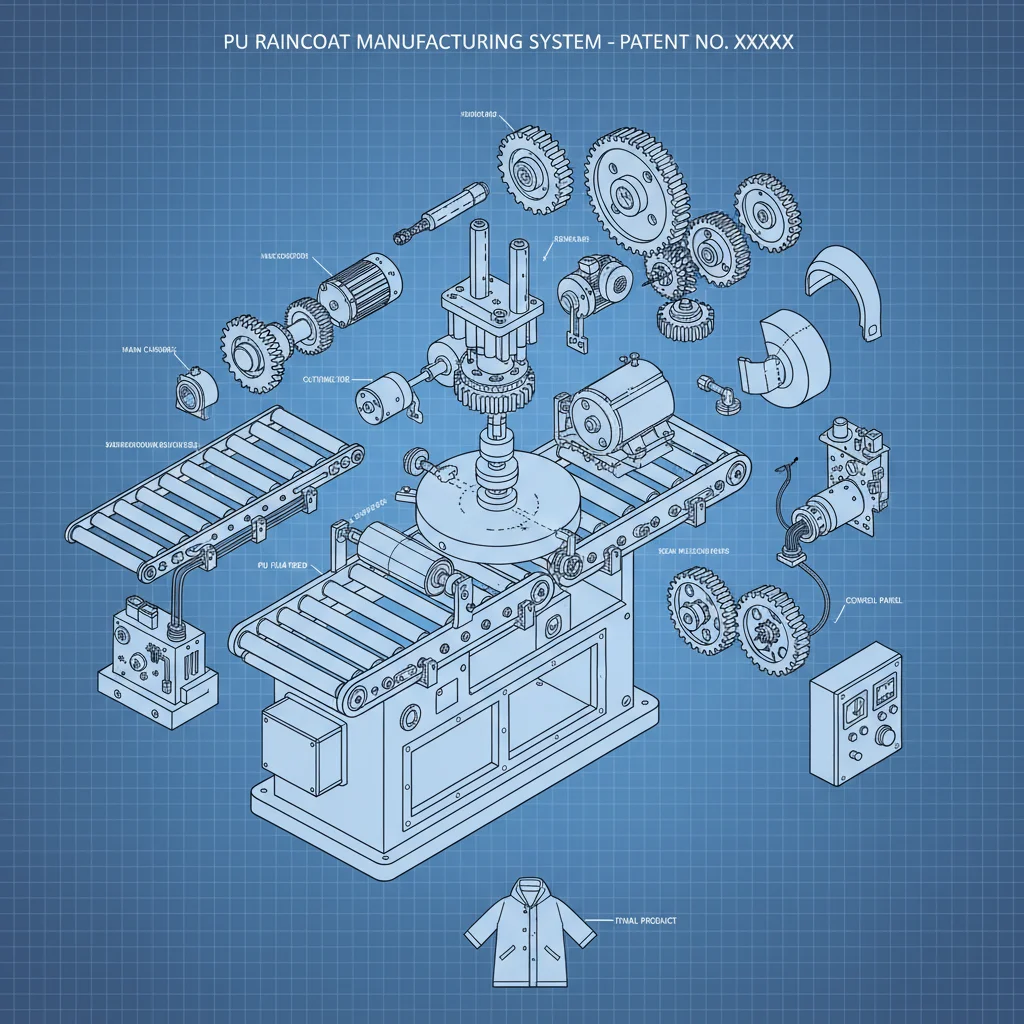
The global demand for high-performance weather protection has led to a significant increase in the reliance on professional pu rainwear exporters. These specialized manufacturers provide the essential infrastructure for protecting children and teenagers from harsh elements, ensuring that outdoor activity is not hindered by seasonal rains or wind. By focusing on advanced materials like polyurethane coatings, the industry ensures a balance between complete waterproof protection and the flexibility required for active youth.
For wholesale buyers and garment retailers, partnering with reliable pu rainwear exporters is crucial for maintaining inventory that meets strict safety and quality standards. The complexity of creating a garment that is simultaneously windproof, waterproof, and warm—especially for the junior market—requires technical expertise in welded seams and fabric layering. This industry bridge ensures that functional, Oeko-Tex certified apparel reaches markets worldwide, providing safety and comfort to the next generation.
Choosing the right pu rainwear exporters allows brands to implement OEM and ODM services, tailoring everything from the fleece lining density to the specific placement of safety reflectors. As climate patterns become more unpredictable, the role of these exporters evolves from simple garment supply to providing innovative, PFC-free solutions that prioritize both environmental health and user safety.

Technical Specifications of PU Rainwear
The technical foundation of high-quality rainwear lies in the shell fabric, which typically consists of 100% polyester knitted fabric enhanced with a 100% polyurethane (PU) coating. With a weight range of 190-200gsm, this material provides a robust barrier against water penetration while remaining light enough for teenagers to move freely. Professional pu rainwear exporters ensure that this coating is applied uniformly to prevent leakage points.
Beyond the fabric, the structural integrity is maintained through welded seams, which eliminate the needle holes found in traditional stitching. This ensures a 100% waterproof seal, making the garment suitable for heavy downpours. Combined with a two-way waterproof zip closure and a storm flap, these specifications create a comprehensive shield against wind and rain.
Material Composition and Waterproofing Logic
The effectiveness of rainwear depends on the synergy between the PU coating and the base textile. By utilizing a polyester knitted fabric as the substrate, manufacturers can achieve a degree of flexibility that woven fabrics often lack. The PU coating acts as a non-porous membrane that repels water molecules entirely, ensuring that the wearer stays dry even during prolonged exposure to wet conditions.
Waterproofing is not just about the fabric surface; it extends to every entry point of the garment. The inclusion of elastic cuffs and a removable hood with push-button fastening prevents water from seeping into the sleeves or neck area. This holistic approach to design is a hallmark of experienced pu rainwear exporters who understand that a single failure point can compromise the entire garment's function.
Furthermore, the use of PFC-free materials represents a shift toward sustainable manufacturing. By eliminating harmful chemicals from the waterproofing process, the industry provides a safer product for children, adhering to Oeko-Tex 100 standards. This ensures that the materials are free from hazardous substances, making them skin-friendly for sensitive young users.
The Role of Fleece Lining in Thermal Regulation
While the outer shell handles water repulsion, the interior lining manages thermal comfort. Many pu rainwear exporters integrate a 100% polyester fleece lining with a weight of 180gsm. This layer is essential for autumn and spring, where rain is often accompanied by dropping temperatures, preventing the "chill effect" that occurs when wet air hits the skin.
The fleece lining serves as an insulating barrier that traps body heat while remaining breathable enough to prevent overheating during active play. By combining a 200gsm PU shell with a 180gsm fleece interior, the garment provides a dual-layer protection system that is specifically engineered for the physiological needs of teenagers.
This combination of materials ensures that the rain jacket is not merely a waterproof cover but a functional piece of outerwear. The warmth provided by the fleece allows children to engage in outdoor adventures without the need for bulky additional sweaters, which can often restrict movement and reduce the effectiveness of the rainwear's fit.
Quality Metrics for Global Export Standards
Maintaining consistency across large batches is a primary challenge for pu rainwear exporters. To ensure quality, rigorous testing is applied to the welded seams and the waterproof zip closures. Metrics such as hydrostatic pressure tests are used to verify that the 100% polyurethane coating can withstand specific water column heights without leaking.
The industry relies on standardized sizing (from 122/128 to 170/176) to ensure a global fit. Quality control also extends to the hardware, such as the push-button fastenings on the removable hoods and the elasticity of the waist adjusters. These details ensure that the product remains durable after repeated use and multiple wash cycles.
Comparative Performance Ratings for PU Rainwear Exporters
Safety Features and User-Centric Design
Safety is a paramount consideration for children's rainwear. Leading pu rainwear exporters equip their garments with high-visibility reflectors, which are critical for ensuring children are seen by motorists during dark, rainy days. This integration of safety elements transforms a simple piece of clothing into a protective tool for urban and rural environments.
The user-centric design is further evidenced by the removable hood feature. By using a click-off mechanism, the design prevents children from getting the hood caught in equipment or play structures, reducing the risk of accidents. Additionally, the wide brim of the hood effectively shields the face from rain, maintaining visibility and comfort for the wearer.
Customization and OEM/ODM Capabilities
The ability to offer customized solutions is what separates top-tier pu rainwear exporters from generic suppliers. Through OEM (Original Equipment Manufacturer) and ODM (Original Design Manufacturer) services, clients can specify everything from the color palette—ranging from classic yellow to vibrant patterns—to the specific branding via screen or transfer printing.
Customization also extends to the functional aspects of the garment. For example, brands can request variations in length (short vs. long coats) or the inclusion of specific pocket styles, such as the front up lid pockets found in the junior long raincoat. This flexibility allows retailers to cater to diverse regional tastes and climate needs.
The process is supported by a streamlined sampling system where 1-2 pieces are often provided free of charge, allowing buyers to verify the quality of the PU coating and the warmth of the fleece lining before committing to a full order. With MOQs starting at 800pcs per color, the industry balances mass production efficiency with brand exclusivity.
Market Analysis of PU Rainwear Distribution
The distribution of PU rainwear is driven by geographical rain patterns and the growing awareness of textile safety. In regions with high annual precipitation, there is a steady demand for long-cut raincoats that offer maximum coverage. Professional pu rainwear exporters target these markets by providing garments that combine windproofing with thermal insulation.
Logistically, the industry operates on a production cycle of 30-90 days. This timeline allows for the precise application of the polyurethane coating and the meticulous welding of seams, ensuring that no product leaves the factory with a defect. The packaging—typically 1pc per polybag and 10pcs per carton—is optimized for international shipping and retail handling.
As the market shifts toward "slow fashion" and durability, the value proposition has moved from low-cost disposability to long-term reliability. By focusing on Oeko-Tex certification and PFC-free materials, exporters are now appealing to the environmentally conscious consumer who prioritizes the health of the child and the planet.
Comparative Analysis of PU Rainwear Product Variants
| Product Model |
Primary Function |
Thermal Level |
Key Safety Feature |
| Lined Long Coat |
Full-Body Waterproof |
High (Fleece) |
Full Reflectors |
| Unlined Short Jacket |
Light Rain Protection |
Low (Shell Only) |
Removable Hood |
| Junior Rain Suit |
Active Play/Mud |
Medium |
Welded Seams |
| Teenager PU Coat |
Commuter Weather-shield |
High (Fleece) |
Two-way Zip |
| Lightweight Windbreaker |
Wind/Mist Proof |
Low |
Elastic Cuffs |
| Heavy-Duty Rain Gear |
Storm Protection |
Very High |
Storm Flap |
FAQS
PU (Polyurethane) is generally more flexible, breathable, and durable than PVC. Professional pu rainwear exporters prefer PU because it doesn't crack as easily in cold weather and is more compatible with eco-friendly, PFC-free manufacturing processes, ensuring a safer product for children's skin.
Traditional stitching creates thousands of tiny holes where the needle passes through the fabric, which can leak over time. Welded seams use heat and pressure to fuse the fabric layers together, creating a seamless, 100% waterproof bond that is essential for high-performance rainwear.
The 180gsm fleece lining is specifically designed for transition seasons like autumn and spring. For peak summer rains, unlined models are recommended. However, for most rainy climates, the fleece provides critical warmth that prevents hypothermia in children during wind and rain.
Yes, most pu rainwear exporters offer comprehensive OEM/ODM services. You can choose custom colors, patterns, and apply your brand logo using screen printing or transfer printing. MOQs typically apply per color to maintain production efficiency.
Oeko-Tex 100 certification guarantees that every component of the garment—from the PU coating to the fleece lining and the zippers—has been tested for harmful substances. It is a global benchmark for textile safety, ensuring the clothing is safe for children to wear.
Waterproof zips feature a polyurethane film laminated over the zipper teeth, which blocks water from penetrating the gap. When combined with a storm flap (an overlapping piece of fabric), it creates a double barrier that ensures the chest area remains completely dry.
Conclusion
The synergy of high-grade PU coating, welded seam technology, and thermal fleece lining creates a garment that is far more than a simple raincoat. By adhering to strict Oeko-Tex standards and integrating critical safety features like reflectors and removable hoods, professional pu rainwear exporters provide the essential gear needed to keep children safe and warm in any weather. The ability to customize these products through OEM/ODM services further ensures that regional market needs are met without compromising on technical performance.
Looking forward, the industry will continue to move toward PFC-free and sustainable materials, reducing the environmental footprint of waterproof apparel. For businesses looking to secure high-quality, functional, and safe rainwear for the youth market, partnering with a technically proficient exporter is the key to long-term success. We invite you to explore our professional manufacturing capabilities and product range to find the perfect fit for your brand. Visit our website: www.jjpuraincoat.com