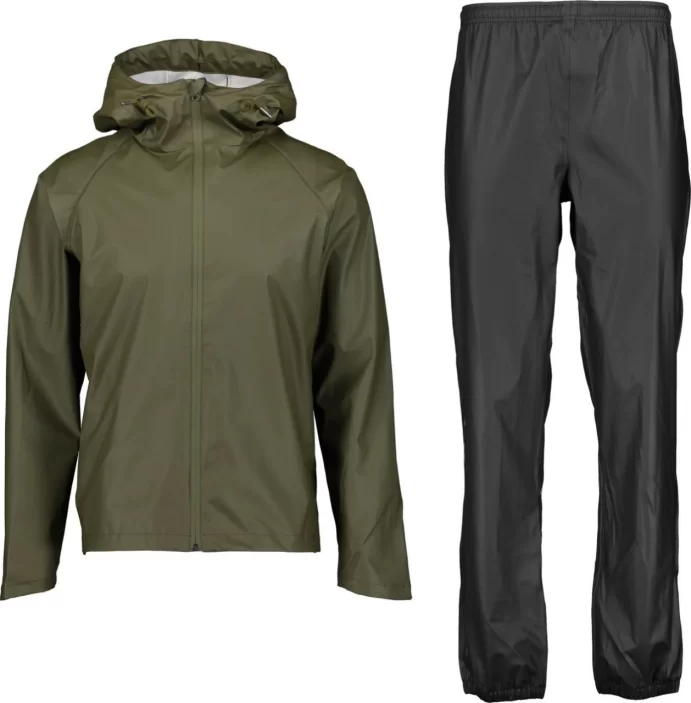
Premium PU Rainwear Solutions for New Zealand Markets

Premium PU Rainwear Solutions for New Zealand Markets

Providing high-performance polyurethane raincoat manufacturing tailored to the diverse climatic demands of Oceania, ensuring durability and waterproof excellence.

Specialized Waterproofing for Regional Demands

We deliver industrial-grade pu rainwear designed for professional use, combining OEKO-TEX certified materials with rigorous hydrostatic testing.

Analyzing Rainwear Requirements in New Zealand

Understanding the intersection of geography, climate, and apparel performance.

The New Zealand market presents unique challenges due to its volatile weather patterns and high humidity levels across different regions. Local demand emphasizes gear that can withstand sudden heavy rainfall while remaining breathable, pushing the industry toward advanced polyurethane raincoat technologies that offer superior moisture barriers without compromising wearer comfort.

Procurement behavior in Oceania typically leans toward longevity and sustainable sourcing. There is a growing preference for manufacturers who can provide transparency in their supply chain, such as GRS and BSCI certifications, as businesses prioritize ethical production and environmental responsibility in their textile imports.

A primary pain point for local buyers is the balance between extreme waterproofing and material flexibility. Many standard raincoats fail in rugged outdoor or industrial settings, creating a significant opportunity for high-tensile PU fabrics that pass rigorous needle detection and tension tests to ensure long-term operational reliability.

Evolution of PU Apparel Technology

From basic waterproofing to engineered performance textiles.

Developmental Milestones

2007 — FOUNDATION AND SPECIALIZATION
The establishment of dedicated production facilities focused on PU rainwear, implementing standardized manufacturing processes to serve international export markets.

EXPANSION — CERTIFICATION AND QUALITY CONTROL
Integration of BSCI and GRS auditing, alongside the adoption of hydrostatic and tension testers to meet strict European and North American quality standards.

PRESENT — DESIGN-LED INNOVATION
Transition toward a full R&D integration model, where professional designers work with technical teams to create customized ladies pu raincoats and industrial gear based on specific client dreams and functional needs.

Emerging Future Trends

1. Eco-Conscious Material Transition

The shift toward recycled polyurethane and biodegradable coatings is driven by global sustainability goals, significantly impacting how New Zealand firms source their corporate rainwear.

2. Ergonomic Design Optimization

Integration of 3D tailoring and flexible production lines to create garments that offer higher mobility for outdoor workers and active users in the Oceania region.

3. Advanced Chemical Resistance

Development of PU compounds that resist not only water but also specific environmental pollutants, expanding the utility of the pu raincoat in agricultural and chemical sectors.

Global Rainwear Industry Outlook

Strategic directions for the polyurethane textile sector.

⚡
Technical Precision
Focus on hydrostatic testing and needle detection to eliminate defects in high-volume production.
🤖
Flexible Manufacturing
Utilizing adaptive production lines to handle both OEM requests and small-batch custom designs.
💳
Supply Chain Stability
Establishing stable partnerships with OEKO-TEX Standard 100 certified accessory suppliers.
🌱
Compliance Logic
Adhering to GRS and BSCI standards to ensure ethical labor and material sourcing.

Strategic Forecast for 2025-2030

The next five years will likely see an increased integration of smart textiles within PU rainwear, with a specific focus on thermal regulation for the varying temperatures of New Zealand. Demand is expected to shift from generic waterproof clothing to specialized gear tailored for specific industry roles, such as forestry, marine services, and urban logistics.

Despite the challenges of fluctuating raw material costs, manufacturers who invest in in-house R&D and maintain strict quality control through third-party testing (SGS, BV, ITS) will maintain a competitive edge. The ability to deliver on-time through efficient production management systems remains a critical success factor for international trade.

Practical Applications in New Zealand

Real-world use cases for high-performance polyurethane gear.

01

Agricultural Field Operations

Farmers in the Waikato or Canterbury regions require heavy-duty PU rainwear that resists mud and water during livestock management, where durability and easy-clean surfaces are essential for daily efficiency.

02

Urban Corporate Logistics

Delivery services in Auckland's rainy climate utilize ladies pu raincoats and unisex gear that provide professional aesthetics while ensuring riders stay dry during rapid transit.

03

Marine and Coastal Maintenance

Port workers and coastal maintenance teams need polyurethane raincoats with reinforced seams and high hydrostatic resistance to combat wind-driven rain and saltwater spray.

04

Outdoor Education and Tourism

Guide services in Queenstown or Rotorua require lightweight yet fully waterproof gear for tourists, balancing comfort with high-performance protection against unpredictable alpine weather.

05

Hospitality and Event Management

Outdoor event staff in New Zealand's festival circuit utilize customized PU rainwear that incorporates brand colors while maintaining a high level of water repellency for long shifts.

Commitment to Manufacturing Excellence

The journey of Cangzhou Jiujiang Imp. & Exp. Trading Co., Ltd.

2007 — FACTORY ESTABLISHMENT

Founded with a core focus on PU rainwear production, building the foundation for industrial-scale textile manufacturing.

CERTIFICATION MILESTONES

Successfully audited and certified by BSCI and GRS, ensuring ethical production and sustainable material usage.

MARKET EXPANSION

Established strong export channels into European markets, specifically Sweden, Finland, Denmark, Norway, and Germany.

QUALITY SYSTEM INTEGRATION

Implemented a comprehensive testing regime including hydrostatic and tension testers, partnered with SGS, BV, and ITS.

R&D CAPABILITY GROWTH

Launched a professional R&D department and design team to provide bespoke OEM solutions for a global clientele.

New Zealand Rainwear Procurement FAQ

Technical and commercial answers for local business buyers.

What factors influence the bulk pricing of PU rainwear for the NZ market?

Pricing is primarily determined by the fabric specifications (e.g., thickness and hydrostatic rating), the complexity of the design, and the total order volume. Custom OEM requirements and the inclusion of OEKO-TEX certified accessories also play a role in the final cost structure.

How is the delivery and deployment managed for Oceania shipments?

We utilize an efficient production management system to ensure on-time delivery. For New Zealand clients, we coordinate via established international shipping routes, ensuring that large-scale orders are processed through our professional work process to meet local delivery timelines.

What after-sales support is available for industrial PU raincoats?

We provide a full range of after-sales support, including quality assurance based on our rigorous internal testing (hydrostatic and tension tests) and cooperation with third-party auditors like SGS and BV to resolve any technical discrepancies.

How do I select the right PU material for different New Zealand climates?

Selection should be based on the environment: for high-exposure coastal areas, choose high-density polyurethane with reinforced seams. For urban use, our ladies pu raincoats offer a balance of style and effective water repellency. Our R&D team can provide guidance on the best fabric weight for your specific use case.

What technical certifications ensure the quality of your PU rainwear?

Our products are backed by BSCI and GRS audits for social and environmental compliance. Additionally, we use materials with OEKO-TEX STANDARD 100 certification to ensure the absence of harmful substances, meeting the high safety standards required in Oceania.

Are the products compliant with international sustainability standards?

Yes, our factory is GRS (Global Recycled Standard) audited, which means we implement sustainable practices in our material sourcing and production, aligning with the increasing environmental requirements of New Zealand businesses.

Request Your Customized Rainwear Solution

Contact our engineering and design team today for professional application consultation, technical guidance, and bulk quotations for the Oceania - New Zealand market.

Get in Touch
Leave Your Message

If you are interested in our products, you can choose to leave your information here, and we will be in touch with you shortly.