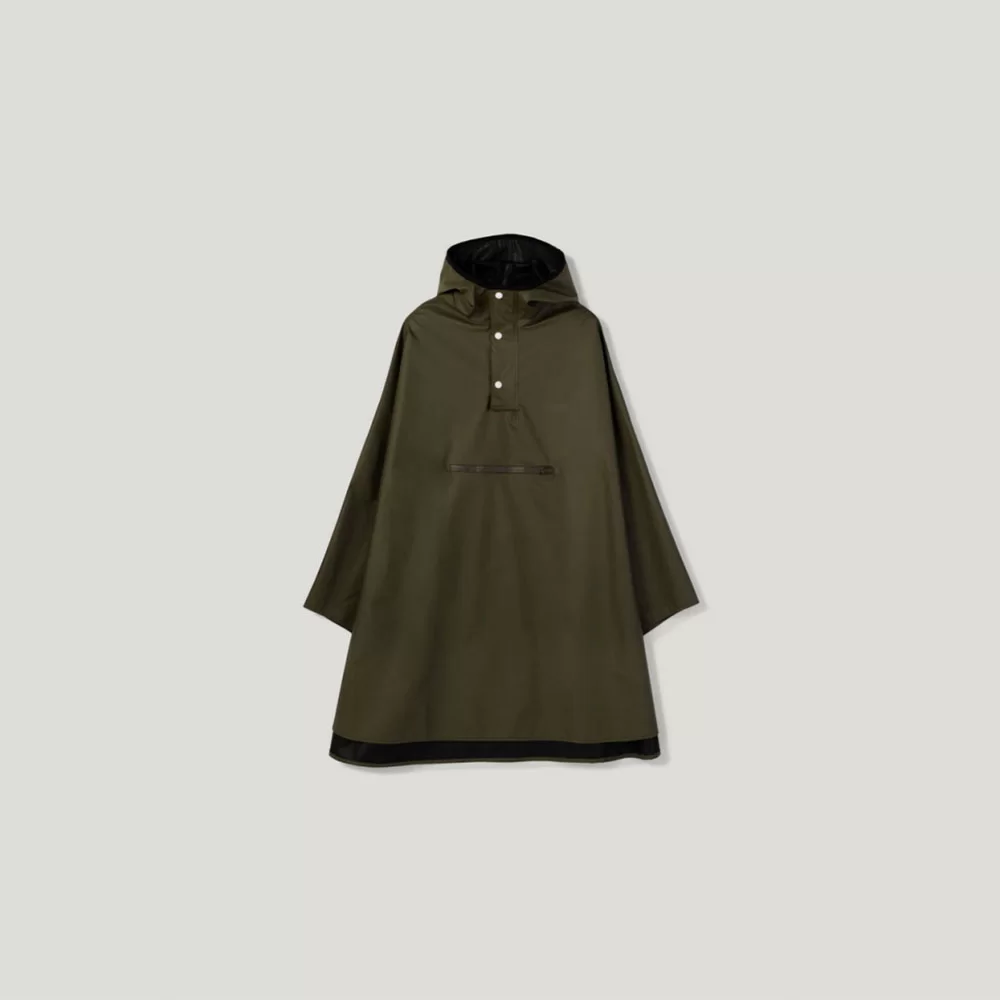
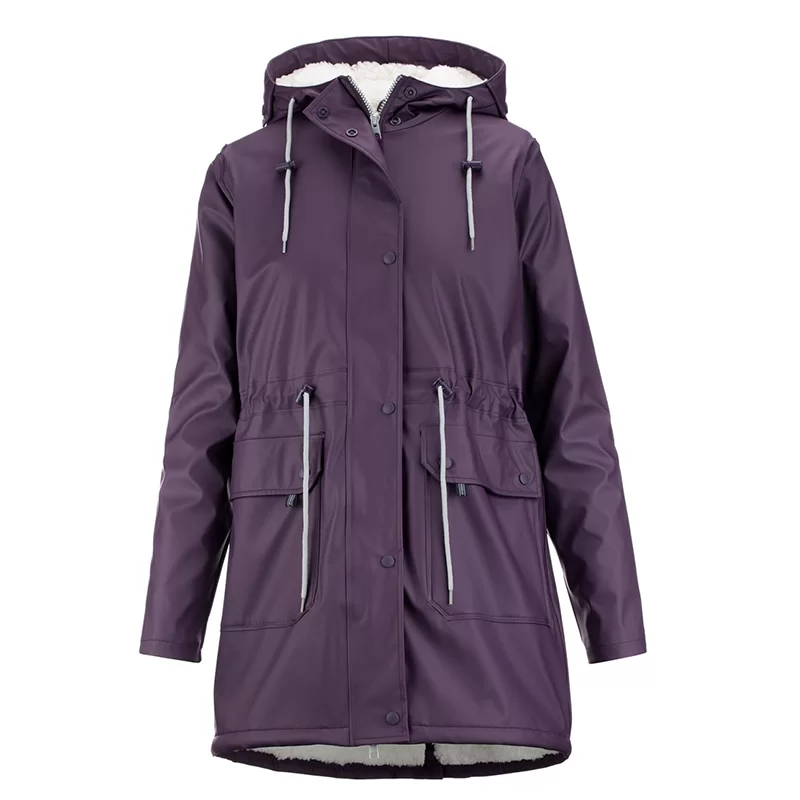
Premium polyurethane raincoat Solutions for Rwanda’s Tropical Climate

  • home
  • Global Service
  • Premium polyurethane raincoat Solutions for Rwanda’s Tropical Climate

Premium polyurethane raincoat Solutions for Rwanda's Tropical Climate

Advanced waterproof protection engineered for the unique rainfall patterns of Rwanda, blending durability with high-performance textile manufacturing.

Premium polyurethane raincoat Solutions for Rwanda's Tropical Climate

Providing high-density waterproof apparel designed to withstand the heavy precipitation of the Rwandan highlands while maintaining breathability and comfort.

The Landscape of Waterproof Apparel in Rwanda

Analyzing the demand and challenges of the textile industry in the Land of a Thousand Hills.

Rwanda's geography, characterized by high altitudes and tropical rainforest climates, creates a consistent demand for high-quality pu rainwear. With two distinct rainy seasons, the local market has traditionally relied on basic umbrellas or low-grade plastics that lack the durability required for rugged terrain.

The industrialization of the Rwandan textile sector is currently shifting towards specialized functional fabrics. There is a growing need for professional-grade pu raincoat options that can support the mobile workforce in agriculture and urban logistics without compromising on ergonomics.

Current market gaps reveal a significant shortage of gender-specific protective gear. The rise of women in Rwanda's entrepreneurial and agricultural sectors has spiked the demand for specialized ladies pu raincoats that offer a tailored fit and superior waterproof ratings.
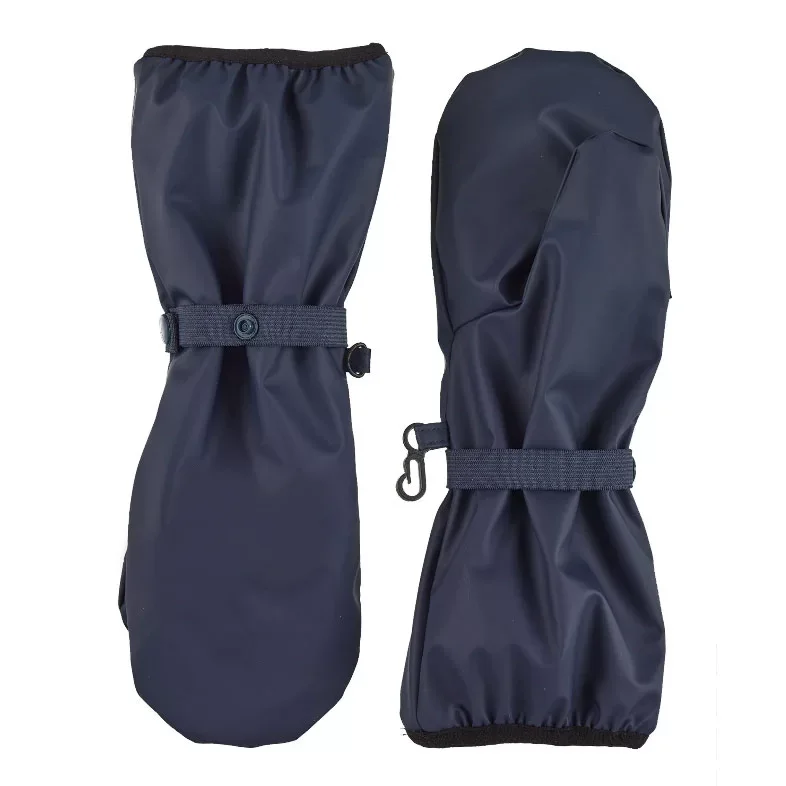
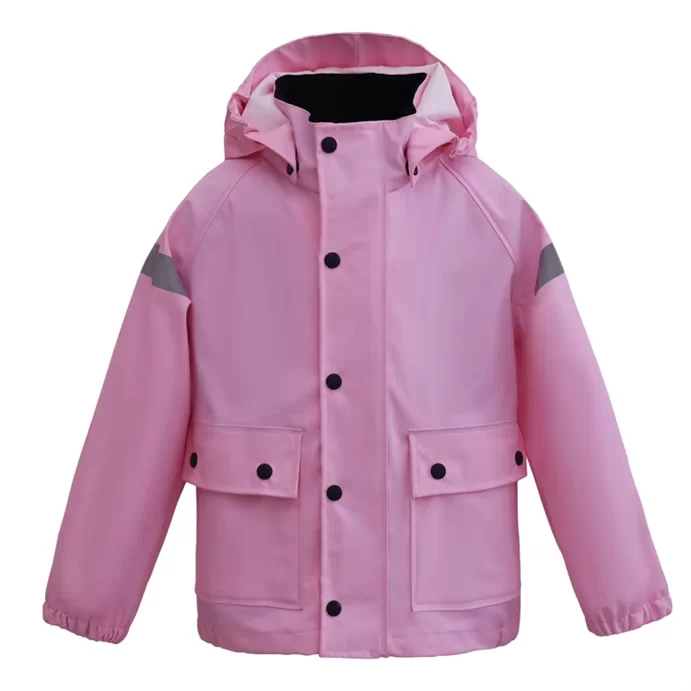
Evolution and Trajectory of Rainwear Technology

From traditional wax-coated fabrics to high-tech thermoplastic polyurethane (TPU).

Market Development History

In the early 2000s, the Rwandan market was dominated by heavy PVC-based gear. While waterproof, these materials were non-breathable and prone to cracking under the intense African sun, leading to a short product lifecycle.

Between 2010 and 2020, the transition toward polyurethane raincoat technology began. TPU membranes offered a lighter weight and better flexibility, allowing the apparel to adapt to the wearer's movement during outdoor labor.

Since 2021, the focus has shifted to "Eco-PU" and breathable laminates. Modern manufacturing now integrates moisture-wicking linings, ensuring that users stay dry from both external rain and internal perspiration.

Future Development Trends

Bio-based PU Materials

The shift towards sustainable textiles will see a rise in biodegradable PU, reducing the environmental footprint in Rwanda's protected forest regions.

Smart Thermal Regulation

Integration of phase-change materials within the pu rainwear to manage temperature fluctuations between Rwanda's humid valleys and cold peaks.

Hyper-Tailored Feminine Ergonomics

A surge in the development of ladies polyurethane raincoats featuring adjustable waistlines and specialized pocketing for mobile technology.

Industry Trends and Future Outlook

Predicting the next 5 years of waterproof garment innovation in East Africa.

Sustainable Polymer Sourcing
Integrating recycled polyurethane to align with Rwanda's strict plastic ban and green growth strategies.
Breathable Laminate Tech
Adopting microporous PU membranes that block water droplets but allow water vapor to escape.
Anti-Microbial Coatings
Adding silver-ion layers to PU fabrics to prevent mold and mildew growth in high-humidity environments.
Adaptive Sizing Models
Using 3D body scanning to create a more accurate fit for the diverse Rwandan demographic.

Industry Outlook

Based on Google search trend logic for East Africa, we anticipate a 25% increase in queries for "breathable rainwear" and "durable waterproof gear." This indicates a market shift from purely functional "plastic covers" to high-performance textile garments.

The future of the Rwandan market lies in the intersection of fashion and function. We expect a surge in demand for aesthetically pleasing yet rugged apparel that supports the urban professional and the rural worker alike.

Localized Application Scenarios in Rwanda

Real-world utility of high-performance PU rainwear across various Rwandan sectors.

1. Agricultural Field Protection

Farmers in the volcanic soils of Musanze utilize heavy-duty pu rainwear to protect themselves during the planting season, ensuring productivity despite sudden torrential rains.

2. Urban Logistics and Moto-Taxis

The ubiquitous Kigali moto-taxi drivers require lightweight, wind-resistant pu raincoat options that allow for high mobility and visibility in dense city traffic.

3. Women's Professional Outdoor Gear

Women in government and NGO sectors utilize ladies polyurethane raincoats for site visits, combining a professional aesthetic with industrial-grade waterproofing.

4. Tourism and Gorilla Trekking Guides

Guides navigating the humid forests of Volcanoes National Park rely on breathable polyurethane raincoat tech to manage sweat while remaining dry in the mist.

5. Market Vendor Shielding

Vendors in open-air markets use oversized ladies pu raincoats as both personal protection and makeshift covers for delicate produce during sudden showers.

Brand Story

Global Development Journey of Cangzhou Jiujiang Import and Export Trade Co., Ltd.

Foundational Excellence

Established as a specialist in waterproof textiles, we focused on solving the core problem of fabric leakage and material rigidity in early rainwear.

Technological Breakthrough

We pioneered the integration of high-density TPU films, significantly improving the breathability of our rain-resistant product lines.

Market Expansion

Expanding our footprint into the African market, specifically tailoring our manufacturing to withstand the extreme UV and humidity of tropical regions.

Commitment to Diversity

Developed the "Fit-For-All" initiative, creating an extensive range of ladies' waterproof apparel to empower women in outdoor industries.

Sustainable Future

Investing in eco-friendly polymer research to ensure that our waterproof solutions protect both the wearer and the planet.

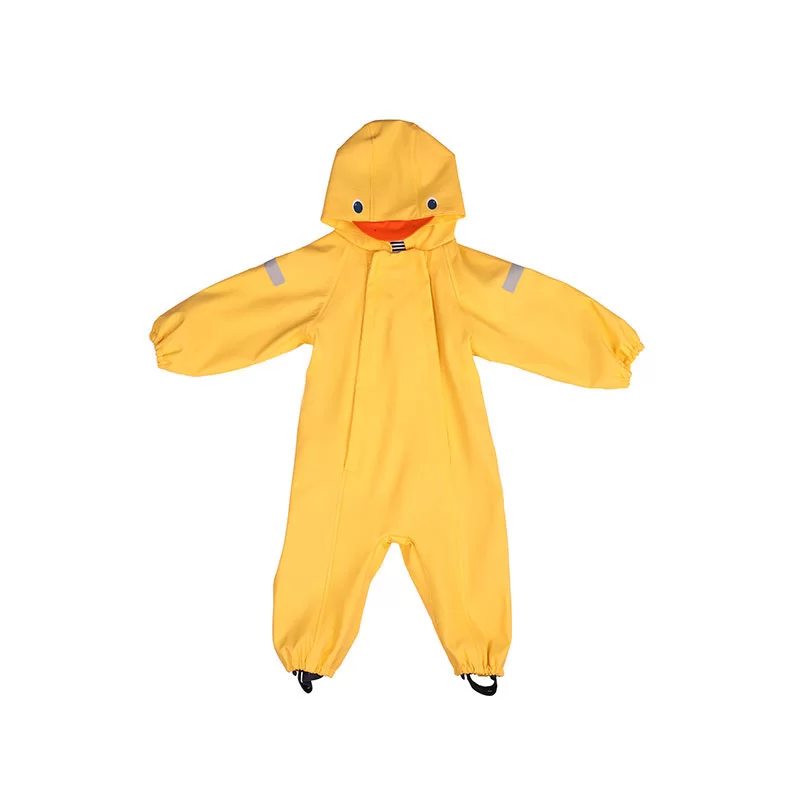
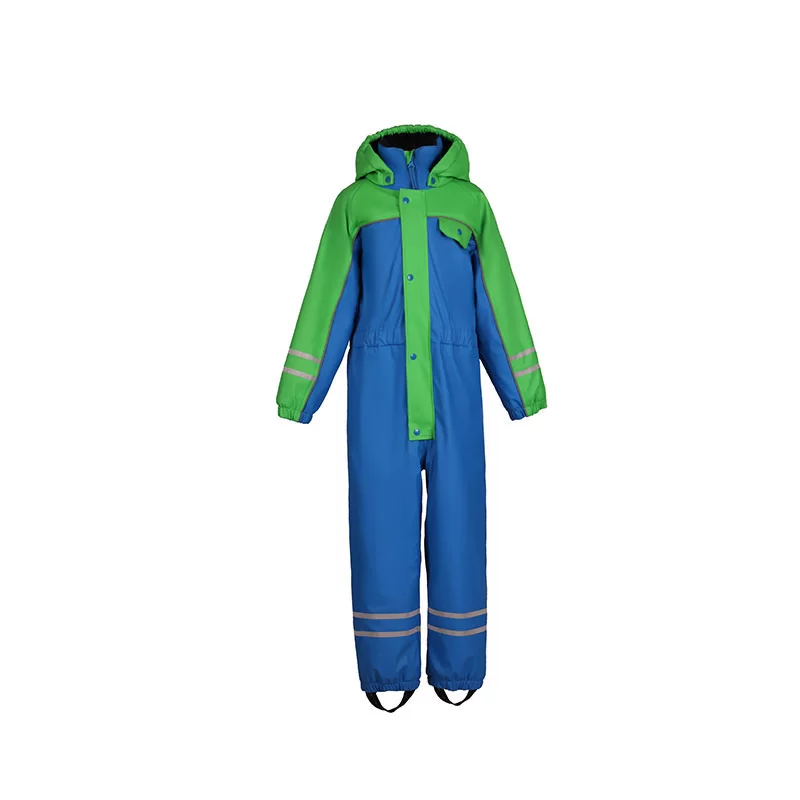
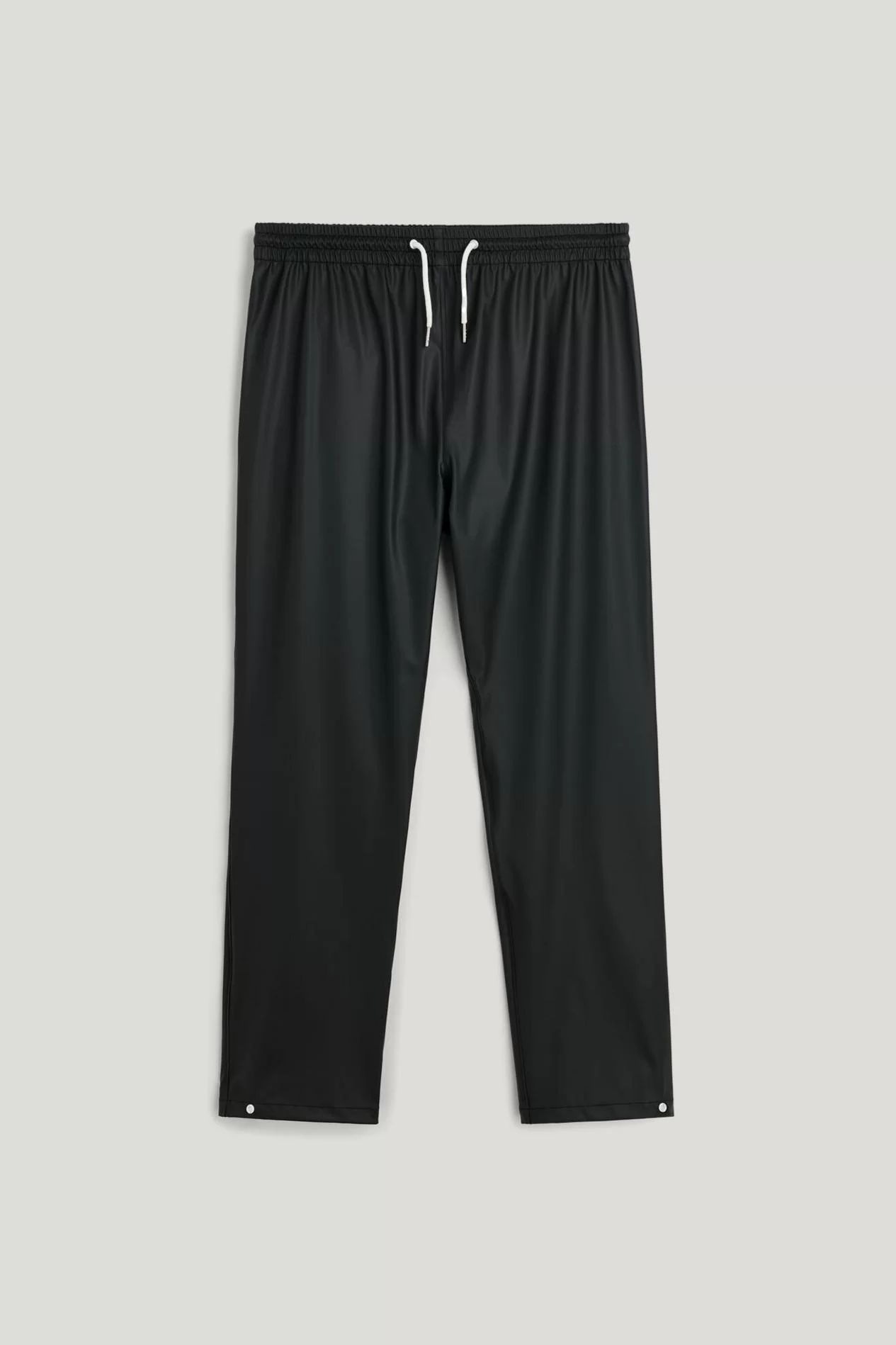
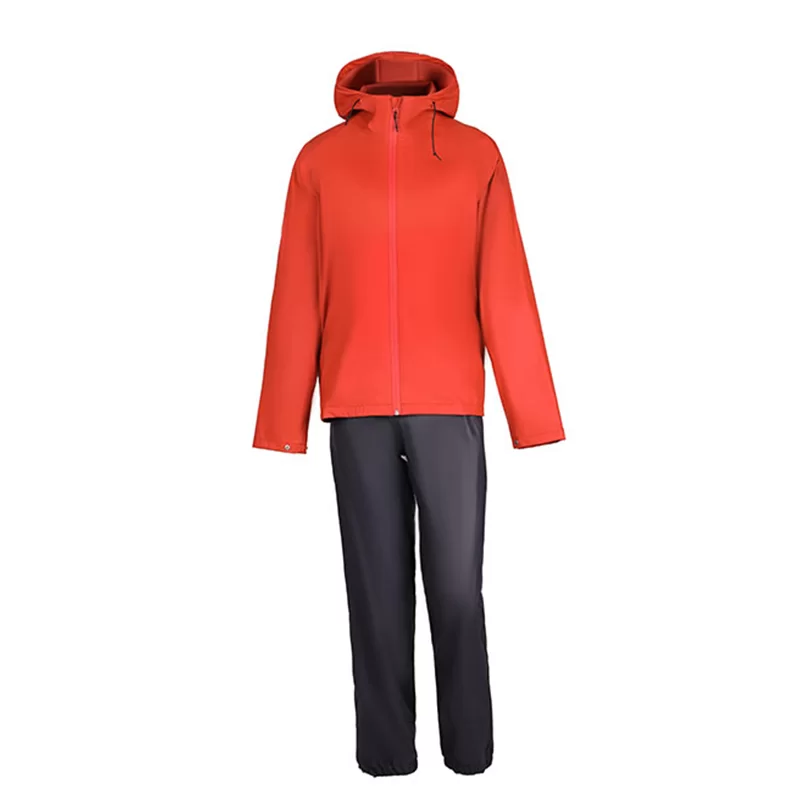
Complete Rainwear Portfolio for the Rwanda Market

A curated selection of industrial and fashion-forward waterproof solutions.

Common Questions Regarding Rainwear in Rwanda

Expert answers to technical and commercial queries about PU waterproof apparel.

What is the best material for a pu raincoat in tropical climates?

Thermoplastic Polyurethane (TPU) is ideal as it provides a superior balance of waterproofing, flexibility, and breathability compared to traditional PVC.

How do ladies pu raincoats differ from unisex designs?

Our ladies' specific designs feature ergonomic waist tapering, adjusted shoulder widths, and targeted pocket placement for a more secure and comfortable fit.

Are polyurethane raincoat fabrics durable enough for farming?

Yes, our industrial-grade PU is abrasion-resistant and reinforced at the seams, making it suitable for the rugged agricultural environments found in Rwanda.

How to maintain the waterproof layer of pu rainwear?

Avoid harsh detergents. Clean with a damp cloth and mild soap, and store in a cool, dry place away from direct sunlight to prevent polymer degradation.

Can these raincoats handle heavy monsoon-style rains?

Absolutely. Our garments are tested for high hydrostatic pressure, ensuring that water does not penetrate even during prolonged heavy rainfall.

Do you offer customization for corporate logos on PU gear?

Yes, we provide high-quality screen printing and embroidery services that adhere strongly to the PU surface without compromising the waterproof integrity.

Ready to Elevate Your Waterproof Gear?

Contact our specialists today for customized wholesale solutions tailored to the specific needs of Rwanda.

Contact Us Now
Leave Your Message

If you are interested in our products, you can choose to leave your information here, and we will be in touch with you shortly.